Telephone/WhatsApp: +86-13950097655 E-mail: eric@justsuntrucks.com
Please Choose Your Language

- All
- Product Name
- Product Keyword
- Product Model
- Product Summary
- Product Description
- Multi Field Search
Views: 0 Author: Site Editor Publish Time: 2025-08-07 Origin: Site
The operation of heavy vehicles such as dump trucks is a critical component of the construction and transportation industries. A common question that arises for individuals interested in operating these vehicles is whether a Commercial Driver's License (CDL) is necessary. This article delves into the requirements for operating a dump truck, examining legal prerequisites, the role of a CDL, and the implications for operators and employers.
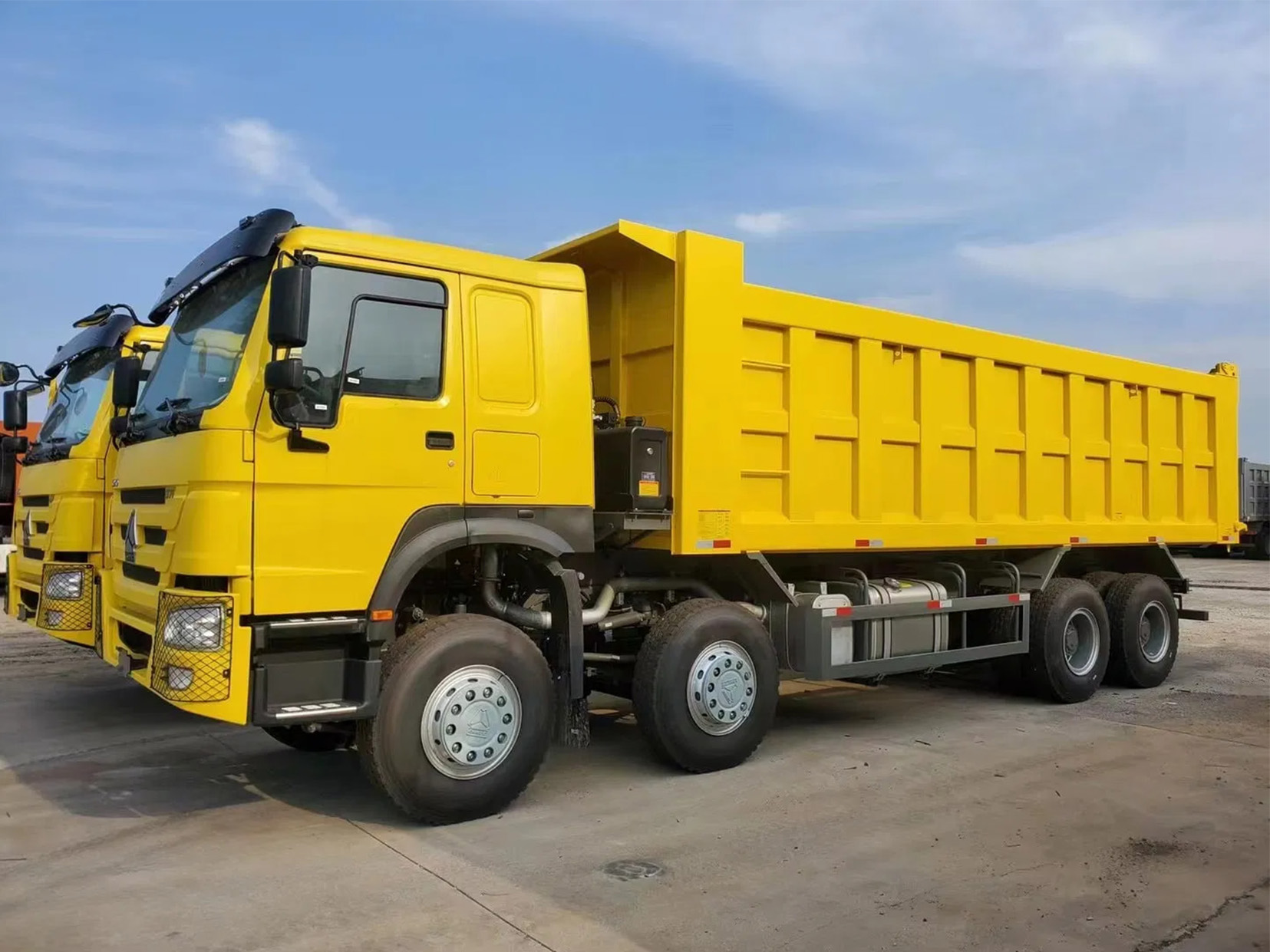
A Commercial Driver's License (CDL) is a specialized license required for operating large or heavy vehicles in the United States. The Federal Motor Carrier Safety Administration (FMCSA) mandates that drivers of vehicles over a certain weight or those transporting hazardous materials must hold a CDL. This requirement ensures that drivers have the necessary skills and knowledge to safely operate these vehicles.
The need for a CDL when driving a dump truck depends on the vehicle's Gross Vehicle Weight Rating (GVWR). Typically, if the GVWR exceeds 26,001 pounds, a CDL is required. Additionally, if the dump truck is used to transport hazardous materials, the driver must possess a CDL with the appropriate endorsements.
CDLs are categorized into three classes: A, B, and C. Each class pertains to different vehicle types and weights:
Class A: Required for operating any combination of vehicles with a GVWR of 26,001 pounds or more, provided the towed vehicle is heavier than 10,000 pounds.
Class B: Necessary for operating a single vehicle with a GVWR of 26,001 pounds or more, or towing a vehicle not heavier than 10,000 pounds.
Class C: For vehicles transporting 16 or more passengers or hazardous materials, regardless of weight.
For most dump trucks, a Class B CDL is sufficient, unless the truck is part of a combination vehicle or carries hazardous materials, which would then require a Class A or specific endorsements.
While federal regulations provide a baseline, each state may impose additional requirements for operating dump trucks. These can include specific endorsements, additional testing, or stricter age requirements. It is crucial for potential operators to check with their state's Department of Motor Vehicles (DMV) to understand the specific requirements applicable to their location.
For example, some states might require additional safety courses or certifications for drivers operating within urban areas or on construction sites. These courses often focus on maneuvering in tight spaces, understanding load limits, and ensuring the safety of both the driver and surrounding workers.
Employers play a significant role in ensuring their drivers meet all necessary legal requirements. They must verify that their drivers hold the appropriate CDL and endorsements before allowing them to operate dump trucks. Additionally, employers are responsible for providing ongoing training and ensuring compliance with both federal and state regulations.
In many cases, employers offer training programs that help drivers obtain their CDL. These programs can be beneficial as they often include practical, hands-on experience, which is crucial for passing the CDL exams. Moreover, employers might cover the costs associated with obtaining a CDL, making it more accessible for prospective drivers.
Safety is paramount when operating heavy vehicles like dump trucks. A CDL ensures that drivers have been trained in safe driving practices, which reduces the risk of accidents. Compliance with CDL requirements is not only a legal obligation but also a critical component of workplace safety protocols.
Regular safety audits and compliance checks are essential for maintaining high safety standards. These audits often involve reviewing driver logs, inspecting vehicles for maintenance issues, and ensuring that all safety equipment is functional. Employers must also stay updated on changes in legislation that could affect their operations.
In conclusion, whether a CDL is required to drive a dump truck largely depends on the vehicle's weight and the materials being transported. Understanding the intricacies of CDL requirements is essential for both drivers and employers to ensure compliance and safety. For those interested in operating a dump truck, it is crucial to stay informed about both federal and state regulations and to seek out the necessary training and endorsements.
By adhering to these requirements, drivers can not only enhance their skills and career prospects but also contribute to safer roadways and work environments. Employers, on the other hand, can ensure their operations run smoothly and legally, minimizing the risk of penalties and enhancing their reputation in the industry.