Telephone/WhatsApp: +86-13950097655 E-mail: eric@justsuntrucks.com
Please Choose Your Language

- All
- Product Name
- Product Keyword
- Product Model
- Product Summary
- Product Description
- Multi Field Search
Views: 0 Author: Site Editor Publish Time: 2026-10-03 Origin: Site
Heavy-duty truck procurement demands extreme precision in today's fast-paced logistics industry. Misinterpreting complex alphanumeric model codes often causes major headaches for busy fleet managers. They might mistakenly order the wrong axle configuration. They might also severely underestimate the necessary payload capacity. These specific errors lead directly to severe operational bottlenecks, delayed shipments, and massive financial losses. You need exact, verified vehicle specifications to scale your fleet effectively. HOWO uses a highly specific alphanumeric nomenclature to define every vehicle leaving its factory. Each individual letter and number dictates the drive type, total tonnage, and exact engine specifications. Understanding this rigid framework prevents costly purchasing mistakes. This comprehensive guide decodes the structural logic behind HOWO Truck Model Numbers. We provide a direct, evaluation-focused comparison between two top global exports. You will learn the exact differences between the heavy-duty ZZ4257 (6x4) and the streamlined ZZ4187 (4x2). This critical knowledge helps fleet managers confidently finalize their procurement shortlists today.
The prefix "ZZ" designates a standard Sinotruk vehicle, while the first digit "4" specifically classifies the unit as a tractor head.
ZZ4257 designates a 25-ton class (6x4) configuration, engineered for maximum traction, heavy payloads, and challenging terrains.
ZZ4187 designates an 18-ton class (4x2) configuration, optimized for highway logistics, port-to-warehouse runs, and superior fuel economy.
Finalizing the choice depends strictly on your route conditions, gross combination weight (GCW) requirements, and localized compliance standards.
Start by breaking down the naming convention. Sinotruk engineers developed a very logical, mathematical system for their vehicles. We call this the nomenclature framework. You can read any model code like an engineering blueprint. Let us carefully analyze how a standard Sinotruk truck model receives its official factory designation.
First, consider the brand and manufacturer code. The prefix "ZZ" always stands for Sinotruk (CNHTC). This applies globally to all their modern commercial heavy-duty vehicles.
Next, look closely at the vehicle category. The very first digit in the sequence defines the truck type. For instance, the number "4" strictly means a towing vehicle or tractor unit. This distinct number visually separates it from tippers (which often use "3") or rigid cargo trucks (which typically use "1").
Then, we evaluate the weight classification. The middle two digits indicate the approximate gross vehicle weight rating. The number "25" represents roughly a 25-ton classification. The number "18" indicates an 18-ton class. These specific numbers guide your initial payload expectations.
Finally, check the series identifier. The fourth digit shows the cabin and chassis generation. The number "7" indicates the highly proven HOWO 7 series. This specific generation boasts immense global popularity due to its exceptional durability.
Beyond the base model, the trailing alphanumeric string contains deeper, more critical details. Consider an extended code like V3247B1. These complex suffixes dictate the specific engine block family, maximum horsepower rating, and precise wheelbase dimensions. We highly advise buyers to scrutinize these final characters. They determine exact emissions compliance, final gear ratios, and suspension configurations.
Fleet managers often ignore the trailing suffix entirely. They focus only on the base designation. This mistake proves disastrous during customs clearance. If the suffix indicates a Euro II engine, but your destination country demands Euro IV, customs will reject the vehicle immediately. Always verify the entire alphanumeric string before purchase.
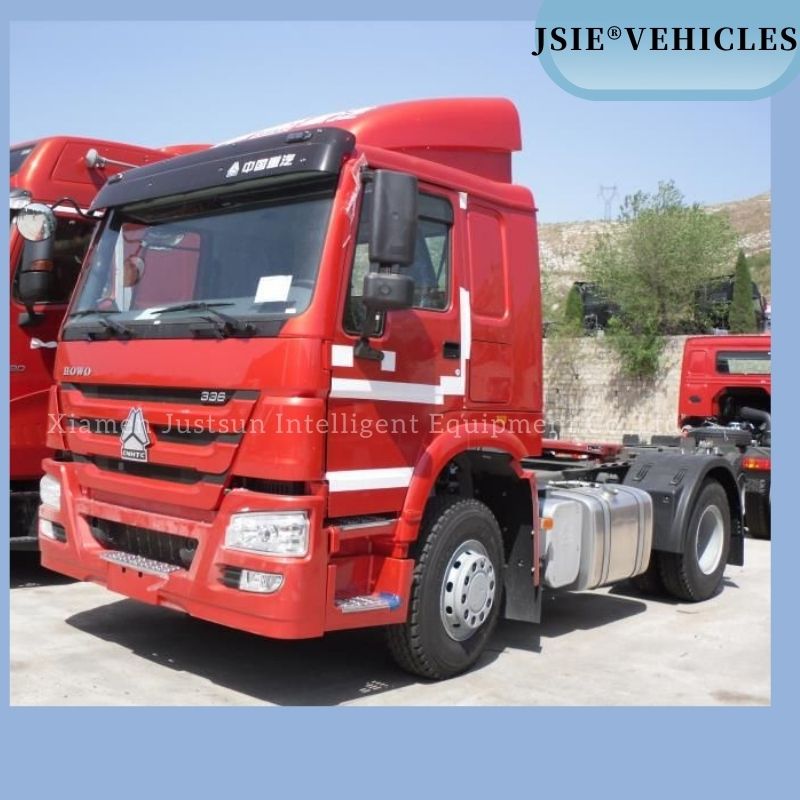
Let us examine the configuration realities of the ZZ4257 platform. This model utilizes a robust 6x4 drive type. It features three total axles beneath the chassis. The rear two axles are directly driven by the engine. This specific mechanical setup ensures maximum ground grip across challenging surfaces.
Core specifications of the ZZ4257V3247B1 highlight its rugged, uncompromising nature.
It typically features a standard engine displacement tailored for heavy torque output.
The horsepower range generally spans from a capable 380hp to a massive 430hp.
Engineers pair the transmission with heavily reinforced rear axles.
This combination handles immense heavy-duty torque effortlessly under strain.
The suspension system features reinforced steel leaf springs for maximum load bearing.
This vehicle solves very specific business problems. It serves as the ideal workhorse for demanding fleet operators. You should deploy it when dealing with rough regional infrastructure. It excels around mining peripheries and steep mountain gradients. Operators also use it extensively for maximum-capacity flatbed hauling. The heavy 6x4 setup maintains forward momentum across loose gravel, deep mud, and uneven dirt roads.
Imagine transporting heavy steel coils across rural mountain passes. The ZZ4257 provides the necessary traction to prevent dangerous wheel slip on inclines. Best practices dictate that operators should frequently inspect the inter-axle differential locks. Engaging these locks properly prevents catastrophic drivetrain damage during off-road excursions.
However, you must clearly acknowledge its mechanical limitations. Fleet managers face a noticeably higher initial procurement cost. The vehicle also experiences increased tire wear inherently. You must maintain and replace 10 tires instead of 6. Furthermore, it delivers lower fuel efficiency on flat, paved highways. A lighter 4x2 model easily beats it in smooth, continuous cruising scenarios.
The configuration realities of the ZZ4187 contrast sharply with its heavier sibling. This vehicle employs a streamlined 4x2 drive type. It features exactly two total axles. Only the single rear axle receives driving power from the transmission. This highly efficient design drastically reduces overall mechanical drag.
The core specifications of the ZZ4187V3617B1 emphasize high-speed efficiency and fluid aerodynamics. Powertrain mapping focuses heavily on maintaining highway cruising speeds. The internal engine programming maximizes fuel conservation over long, flat distances. You will also notice a significant difference in chassis weight. It weighs much less than the bulky 6x4 variant. The specific wheelbase dimensions cater directly to standard box trailers and logistics flatbeds.
This popular HOWO tractor head solves distinct logistical problems. It represents the definitive choice for standard trailer towing. You should assign it exclusively to well-paved highway routes. It handles port container transfers perfectly. Express logistics companies heavily favor this agile platform. In these specific sectors, delivery speed and fuel economy consistently outrank raw mechanical traction.
Consider a logistics company moving consumer goods between two major coastal ports. The route consists entirely of flat, paved toll roads. Deploying the ZZ4187 maximizes your daily profit margins by cutting fuel consumption. Best practices suggest training drivers to utilize cruise control features extensively. This maintains optimal engine RPMs, further decreasing your operational budget.
Despite its impressive speed, it carries notable limitations. The 4x2 setup remains highly prone to traction loss on poor surfaces. You should actively avoid muddy or unpaved inclines. It also offers a lower maximum towing capacity safely. Pushing this model beyond its rated gross combination weight invites immediate transmission failure and voided warranties.
Choosing the right vehicle requires strict mathematical evaluation of your daily operations. We must carefully build a payload versus route matrix to clarify the decision process.
HOWO Tractor Head Comparison Matrix
Feature Category | ZZ4257 Series (6x4) | ZZ4187 Series (4x2) |
|---|---|---|
Primary Drive Type | Three axles total, two driven | Two axles total, one driven |
Optimal Route Conditions | Mixed terrain, unpaved roads, gradients | Paved highways, port logistics |
Gross Combination Weight | Exceeds 40 tons safely | Under 40 tons ideally |
Lifecycle Budget Impact | Higher parts and fuel expenses | Optimized for lower fuel consumption |
Tire Maintenance | 10 tires to maintain and replace | 6 tires to maintain and replace |
Compare lifecycle operational budgets across different terrains very carefully. The final decision logic remains straightforward. You should choose the ZZ4257 for GCW exceeding 40 tons on mixed terrain. Conversely, you must choose the ZZ4187 for GCW under 40 tons on strict highway routes. Do not deviate from this mathematical reality.
Fuel economy and routine maintenance require a thorough contrast. The 4x2 configuration yields lower toll fees in many global regions, as authorities often base tolls on axle counts. You also have fewer tires to replace annually. It consistently delivers better overall miles per gallon. The 6x4 requires higher maintenance budgets inherently. You must regularly service more differentials, drive shafts, and heavy suspension components. However, the 6x4 generates massive revenue by transporting heavier loads. It effectively offsets its own maintenance through higher billing capacities per trip.
Resale value and fleet scalability also strongly influence procurement. Secondary market demands in developing regions often favor the 6x4. Used truck buyers love its rugged versatility. They can easily repurpose it for harsh construction or logging environments. Meanwhile, 4x2 models offer faster initial return on investment for dedicated logistics routes. They dominate pure highway transport markets where speed equals profitability.
Purchasing heavy machinery involves substantial commercial risk for any organization. You must navigate complex compliance and emissions standards carefully. Buyers must verify the engine’s exact emission standard before authorizing any purchase orders. The extended model code embeds crucial data regarding Euro II, Euro III, Euro IV, or Euro V compliance. A simple misreading can trigger severe customs rejections at the port. Ensure absolute legal compliance in your specific destination country to prevent impounding.
Next, you must assess the local spare parts ecosystem. The ready availability of replacement components dictates your ultimate fleet uptime. Fortunately, both models share the exact HOWO 7 series cabin structure. They also share numerous internal engine parts and electrical harnesses. This cross-compatibility ensures high trustworthiness among mechanics. It guarantees exceptional supply chain stability for your ongoing maintenance crew.
Finally, you must enforce strict import and customs verification upon delivery. We advise buyers to verify the exact chassis and VIN numbers upon arrival. You must cross-reference these physical numbers against your original bill of lading and commercial invoice. Unscrupulous brokers sometimes swap vehicle codes to increase their margins. Verifying the exact suffix ensures you do not receive a downgraded specification. Never sign the final acceptance paperwork until a qualified technician inspects the identification plates.
Our comprehensive analysis reveals that neither truck holds universal superiority. Selecting the optimal unit requires calculating precise operational demands against mechanical capabilities. Fleet administrators must weigh payload thresholds against route quality to maximize daily profitability.
Take these actionable steps to finalize your procurement strategy today:
Audit your primary haulage routes to identify the percentage of unpaved versus paved roads.
Define your maximum gross combination weight to establish clear baseline payload limits.
Consult your local transport authority to confirm required environmental emission standards.
Partner with a certified Sinotruk technical representative to finalize the trailing alphanumeric suffix.
Executing these precise steps eliminates procurement guesswork. A well-planned acquisition strategy guarantees scalable fleet growth and long-term commercial success.
A: These terms describe a connected brand architecture. CNHTC (China National Heavy Duty Truck Group) is the parent corporate manufacturer. Sinotruk operates as the primary international brand name utilized for export markets. HOWO functions as a specific, highly popular heavy-duty product line manufactured by Sinotruk. They all connect to the same overarching corporate entity.
A: Letters located within the extended model suffix identify the specific engine family or technical package. The "V" typically indicates a specific engine block series or displacement class used by Sinotruk engineers. It confirms the exact internal powertrain engineering, ensuring buyers receive the correct horsepower and torque profile required for their unique operational needs.
A: No. Engineering constraints make this modification practically impossible and highly unsafe. A 4x2 chassis differs fundamentally from a 6x4 frame. The 6x4 requires a longer, structurally reinforced chassis, a dual-axle rear suspension system, and an entirely different driveline setup. You must purchase the correct drive configuration during initial procurement based on precise load evaluations.