Telephone/WhatsApp: +86-13950097655 E-mail: eric@justsuntrucks.com
Please Choose Your Language

- All
- Product Name
- Product Keyword
- Product Model
- Product Summary
- Product Description
- Multi Field Search
Views: 0 Author: Site Editor Publish Time: 2026-04-09 Origin: Site
In mining, construction, and large-scale industrial operations, the efficiency of material transport significantly influences overall project timelines, costs, and productivity. Among all vehicles, a high-quality dump truck serves as a backbone for effective project execution. These vehicles are not merely machines for hauling materials; they are engineered systems designed to maximize payloads, reduce fuel consumption, minimize downtime, and ensure operator safety. By investing in a reliable, robust, and well-designed dump truck, project managers can enhance operational performance and achieve better outcomes across multiple facets of a project.
High-quality dump trucks provide consistency, reliability, and performance that lower-grade or poorly maintained vehicles cannot offer. Their engineering encompasses powerful engines, durable chassis, advanced suspension, hydraulic precision, and safety systems. The right dump truck improves project efficiency by reducing cycle times, optimizing labor, and maintaining predictable performance under heavy loads and challenging terrain. This comprehensive guide explores how a high-quality dump truck can enhance project efficiency, examines critical features and operational advantages, and highlights best practices for selection and maintenance. Finally, it demonstrates how partnering with Xiamen Justsun Intelligent Equipment Co., Ltd. ensures access to industry-leading vehicles tailored for maximum productivity.
A primary determinant of a dump truck’s impact on project efficiency is its payload capacity. High-capacity trucks transport more material per trip, directly reducing the number of trips needed to move soil, ore, rock, or construction materials. Fewer trips mean reduced fuel consumption, lower labor hours, and faster material handling, which accelerates project timelines.
High-quality dump trucks are engineered for efficient loading and unloading operations. Hydraulic tipping mechanisms are designed for smooth and rapid material discharge, reducing the time spent at each cycle. Properly engineered beds prevent material hang-up, spillage, and uneven distribution, ensuring every trip is fully productive.
In large-scale open-pit mining, using high-capacity dump trucks reduces haul cycles dramatically. Trucks that maintain stability under full load and operate efficiently on steep grades minimize delays caused by frequent stops or mechanical stress. This directly translates into higher throughput, ensuring that extraction and transportation schedules are aligned with processing and production targets.
The engine is the heart of a dump truck. High-quality trucks feature engines that deliver sufficient horsepower and torque to handle heavy loads across variable terrain. Reliable engines maintain consistent performance, even in extreme operating conditions, reducing downtime due to mechanical failures.
Advanced fuel-efficient engines reduce operating costs while maintaining performance under full payload. Lower fuel consumption not only saves money but also decreases emissions, supporting environmentally conscious operations. Efficient fuel use also allows longer operation periods between refueling, minimizing interruptions in continuous production cycles.
Modern dump trucks incorporate electronic engine management systems that optimize fuel injection, monitor performance, and detect potential issues before they become critical. Predictive diagnostics reduce the risk of in-field failures and ensure that engines operate at peak efficiency.
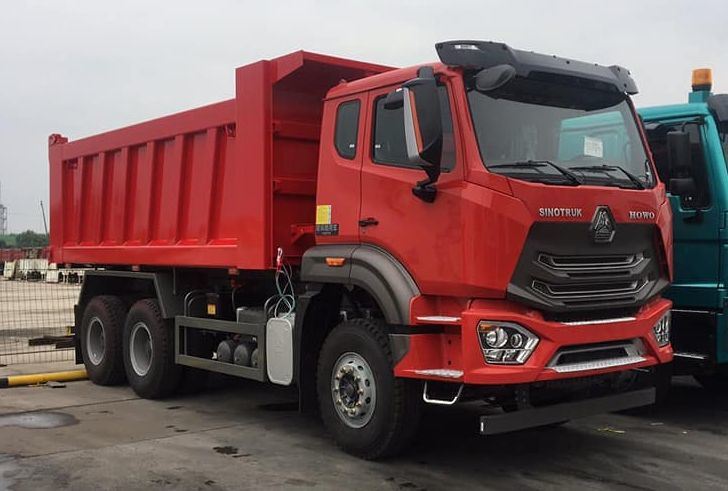
High-quality dump trucks are equipped with reinforced suspension systems capable of absorbing shocks and stress from heavy loads and rough terrain. Stable suspension maintains ride quality, reduces component wear, and ensures operator control, particularly on uneven or unpaved surfaces.
The chassis supports the structural integrity of the truck, bearing the combined weight of payload and vehicle components. Well-engineered frames resist deformation and fatigue, allowing the truck to operate reliably over its service life. A durable chassis minimizes maintenance costs and prevents unscheduled downtime, both of which are critical to maintaining project efficiency.
Stable suspension and well-designed chassis reduce operator fatigue. Operators can maintain consistent performance over long shifts, improving both safety and productivity. Reduced fatigue also lowers the likelihood of accidents that could interrupt project timelines.
High-quality dump trucks incorporate ROPS (Rollover Protection Systems), FOPS (Falling Object Protection Systems), and collision avoidance technologies. These safety features prevent accidents that could halt operations, protect personnel, and reduce insurance costs.
Advanced braking systems and traction control allow trucks to maintain control on steep, wet, or uneven terrain. Reliable braking reduces accident risk and improves efficiency by allowing operators to navigate challenging conditions without compromising speed or safety.
Modern trucks often include operator monitoring systems that detect fatigue, distraction, or unsafe driving behaviors. Real-time alerts ensure that operators maintain safe practices, which helps prevent incidents that could cause downtime or delays.
High-quality dump trucks are equipped with telematics for fleet monitoring, including location, load, fuel consumption, and operational metrics. Managers can optimize haul routes, monitor performance, and schedule preventive maintenance, reducing idle time and maximizing truck utilization.
Sensors integrated into engine, hydraulic, and drivetrain components enable predictive maintenance. Detecting wear or potential failures in advance prevents unplanned breakdowns, ensuring continuous operation and reducing project delays.
Access to real-time data allows project managers to adjust operational plans based on truck availability, load cycles, and terrain conditions. Data-driven management optimizes fleet performance, minimizes bottlenecks, and ensures that material movement aligns with project schedules.
High-quality dump trucks feature engines that meet stringent emissions regulations, such as Tier 4 or Euro VI standards. Compliance reduces environmental impact and may provide operational benefits, such as lower fuel penalties or tax incentives.
Trucks designed with enclosed cabs, effective mufflers, and dust suppression features protect both operators and the environment. Reducing noise and particulate matter contributes to safer, more sustainable operations and minimizes regulatory conflicts.
Maintaining proper payload within regulated limits prevents overloading, reduces wear, and ensures legal compliance. This avoids fines, operational delays, and insurance issues, enhancing overall project efficiency.
High-quality dump trucks are designed for ease of maintenance. Regular inspections of engine, hydraulic systems, suspension, brakes, and tires prevent failures that could disrupt operations.
Investing in trucks with robust engines, reinforced chassis, and heavy-duty tires reduces maintenance frequency. Durable components withstand continuous heavy-duty operations, minimizing downtime and replacement costs.
Properly trained operators maintain optimal vehicle performance, reduce mechanical stress, and follow safety protocols. Training ensures that trucks operate efficiently, reducing risks of accidents or premature wear.
High-quality trucks with reliable components and predictive maintenance capabilities minimize unscheduled repairs, reducing downtime and keeping project schedules on track.
Maximizing payload capacity, maintaining speed on hauls, and minimizing cycle times increase overall material throughput. Efficient trucks ensure that excavation, transportation, and processing are synchronized for optimal project flow.
Efficient dump trucks reduce fuel consumption, maintenance costs, and labor hours, while increasing productivity. High-quality vehicles offer long-term ROI by lowering operational expenditure per ton of material transported.
Application Area | Key Requirements & Benefits |
Mining Operations | Trucks with high payload, stable suspension, and advanced safety systems reduce haul cycles and improve throughput. Reliable trucks minimize production interruptions, even on challenging terrains. |
Construction Projects | Trucks that maintain consistent performance in urban or uneven terrain. Safety systems, telematics, and durable components ensure projects stay on schedule while protecting operators. |
Quarries and Aggregates | Trucks capable of handling abrasive materials. High-quality dump trucks resist wear, maintain efficiency, and reduce maintenance needs, ensuring smooth material flow from extraction to stockpiles. |
High-quality dump trucks significantly enhance overall project efficiency by improving payload handling, reducing cycle times, ensuring operator safety, and minimizing downtime. Advanced features, including robust engines, durable chassis, hydraulic reliability, automation, telematics, and safety systems, enable consistent performance in mining, construction, and industrial applications. Partnering with Xiamen Justsun Intelligent Equipment Co., Ltd. provides access to industry-leading dump trucks engineered for productivity, reliability, and long-term operational efficiency. Their expertise ensures trucks are tailored to project requirements, compliant with regulations, and equipped with the latest technological innovations, helping operators maximize efficiency and achieve project goals.
Q: How does a high-quality dump truck improve project efficiency?
A: It reduces cycle times, increases payload per trip, minimizes downtime, and enhances operator safety.
Q: What role do safety features play in operational efficiency?
A: Safety features prevent accidents, reduce delays, and allow operators to focus on productivity confidently.
Q: Why is predictive maintenance important for dump trucks?
A: It detects potential issues early, preventing unplanned breakdowns and ensuring continuous operation.
Q: How do telematics and monitoring systems enhance efficiency?
A: They provide real-time data on fuel use, location, load, and performance, optimizing fleet utilization and project management.