Views: 0 Author: Site Editor Publish Time: 2025-08-29 Origin: Site
The concrete mixer truck is an essential component in the construction industry, facilitating the efficient transportation and mixing of concrete. Understanding how these vehicles operate is crucial for maximizing their utility and ensuring the quality of the concrete delivered to construction sites. This article delves into the mechanics, functionality, and applications of concrete mixer trucks, providing a comprehensive overview for industry professionals and enthusiasts alike.
Concrete mixer trucks are designed to transport and mix concrete to construction sites. They consist of a rotating drum mounted on a truck chassis. The drum is equipped with a spiral blade that mixes the concrete as the drum rotates. This rotation is powered by the truck's engine, which is connected to the drum via a hydraulic system. The drum can rotate in both directions: one for mixing and the other for discharging the concrete. The speed and direction of the drum rotation are controlled by the driver, ensuring that the concrete remains in a homogeneous state until it is ready to be poured.
The hydraulic system is a critical component of the concrete mixer truck. It consists of a hydraulic pump, motor, and reservoir. The pump is driven by the truck's engine and provides the necessary power to rotate the drum. The hydraulic motor converts the hydraulic energy into mechanical energy, which turns the drum. The hydraulic reservoir stores the hydraulic fluid, which is circulated through the system to ensure smooth operation. This system allows for precise control over the drum's rotation speed and direction, which is essential for maintaining the quality of the concrete mix.
The mixing and discharge mechanism of a concrete mixer truck is designed to ensure that the concrete is thoroughly mixed and easily discharged at the construction site. The spiral blade inside the drum is responsible for mixing the concrete. As the drum rotates, the blade lifts and tumbles the concrete, ensuring a uniform mix. When it is time to discharge the concrete, the drum is rotated in the opposite direction, and the spiral blade pushes the concrete towards the discharge chute. The chute can be adjusted to direct the flow of concrete to the desired location, allowing for precise placement of the material.
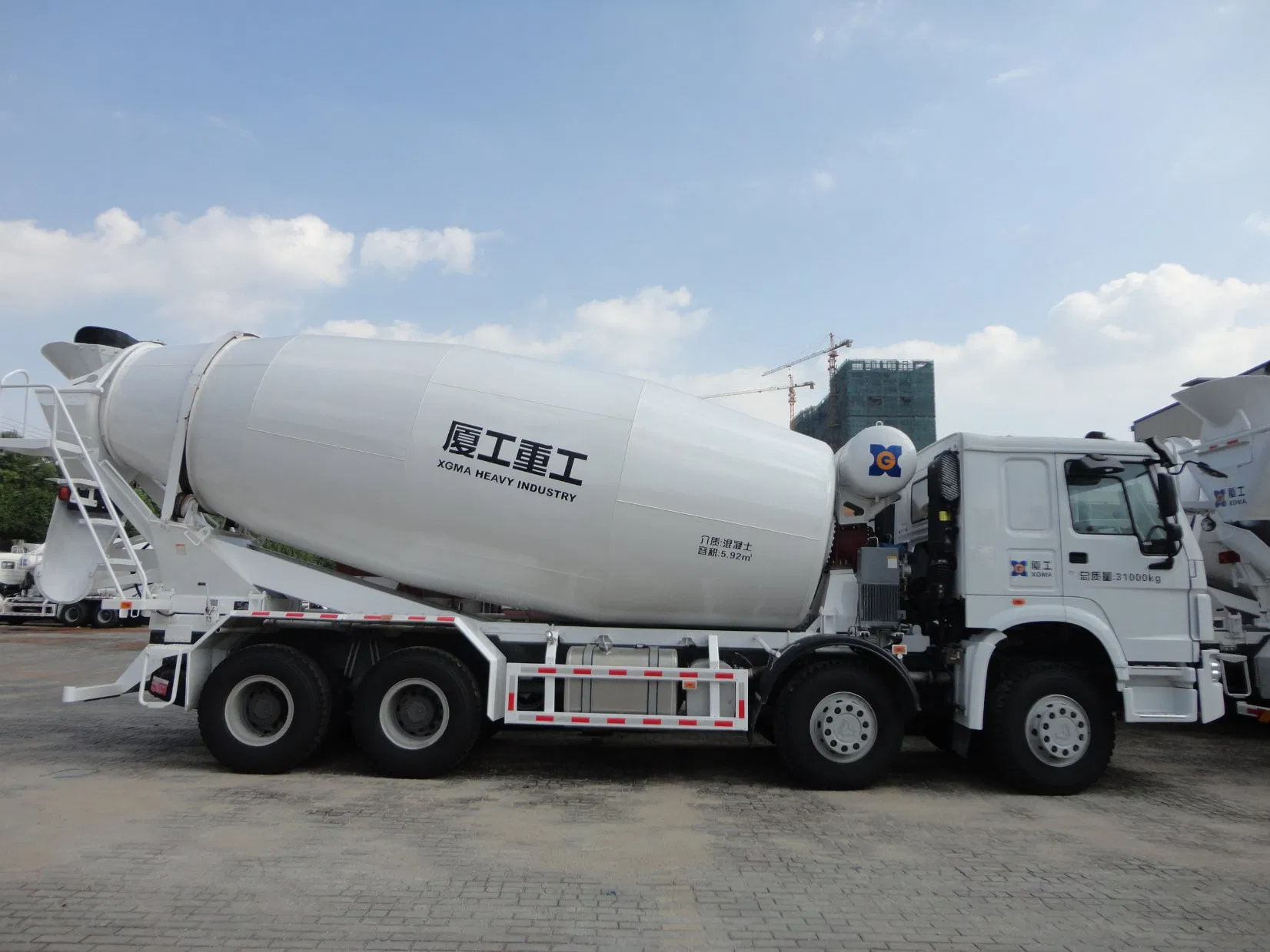
Concrete mixer trucks are used in a variety of construction projects, ranging from small residential buildings to large infrastructure developments. Their primary function is to transport concrete from the batching plant to the construction site, ensuring that the material remains in a workable state during transit. This is particularly important for projects that require large volumes of concrete, as the trucks can deliver the material directly to the site, reducing the need for on-site mixing and minimizing delays.
In residential construction, concrete mixer trucks are often used to deliver concrete for foundations, driveways, and other structural elements. The ability to transport pre-mixed concrete directly to the site allows for faster construction times and reduces the labor required for on-site mixing. This is particularly beneficial for projects with tight deadlines or limited access to mixing equipment.
For commercial and industrial projects, concrete mixer trucks are essential for delivering large volumes of concrete to the site. These projects often require high-strength concrete mixes, which can be precisely controlled and delivered using mixer trucks. The trucks can also be equipped with additional features, such as conveyor belts or pumps, to facilitate the placement of concrete in hard-to-reach areas.
While concrete mixer trucks offer numerous advantages, there are also challenges and considerations that must be addressed to ensure their effective use. One of the primary challenges is maintaining the quality of the concrete during transit. Factors such as temperature, humidity, and travel time can affect the consistency and workability of the concrete, making it essential to carefully plan the logistics of concrete delivery.
Effective logistical planning is crucial for ensuring the timely delivery of concrete to the construction site. This involves coordinating the scheduling of concrete batching, transportation, and placement to minimize delays and reduce the risk of concrete setting before it is poured. Advanced planning can also help to optimize the use of mixer trucks, reducing fuel consumption and minimizing environmental impact.
Environmental considerations are becoming increasingly important in the construction industry, and concrete mixer trucks are no exception. The production and transportation of concrete contribute to greenhouse gas emissions, making it essential to adopt sustainable practices. This can include optimizing delivery routes, using fuel-efficient vehicles, and exploring alternative materials and technologies to reduce the environmental impact of concrete production.
Concrete mixer trucks play a vital role in the construction industry, providing a reliable and efficient means of transporting and mixing concrete. By understanding the mechanics and applications of these vehicles, industry professionals can optimize their use and ensure the quality of the concrete delivered to construction sites. As the industry continues to evolve, advancements in technology and sustainability practices will further enhance the capabilities of concrete mixer trucks, paving the way for more efficient and environmentally friendly construction processes.