Telephone/WhatsApp: +86-13950097655 E-mail: eric@justsuntrucks.com
Please Choose Your Language

- All
- Product Name
- Product Keyword
- Product Model
- Product Summary
- Product Description
- Multi Field Search
Views: 0 Author: Site Editor Publish Time: 2026-01-01 Origin: Site
Concrete Mixer Trucks are essential in the construction industry, but how can we make them even more efficient? In this article, we'll explore strategies to boost the mixing efficiency in Concrete Mixer Trucks. You’ll learn practical tips to reduce costs, improve concrete quality, and optimize truck performance.
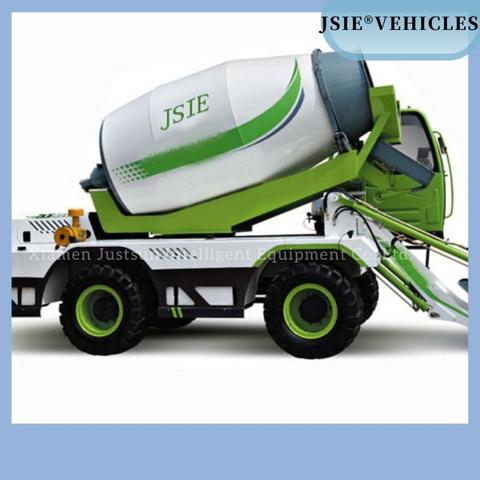
A Concrete Mixer Truck is a large vehicle designed to transport and mix concrete on-site. It is equipped with a rotating drum that blends ingredients like cement, water, and aggregates to create ready-mix concrete. The drum's continuous rotation ensures the mixture stays fluid and does not harden during transport.
The key components of a Concrete Mixer Truck include:
● Drum: The rotating vessel that blends the concrete.
● Chassis: The truck's frame and wheels, providing mobility.
● Hydraulic System: Powers the drum rotation and unloading.
● Control System: Manages mixing speed and consistency.
Concrete Mixer Trucks are essential for transporting fresh concrete to construction sites. The quality of the mixed concrete largely depends on the efficiency of the mixing process within the truck. Factors like drum rotation speed, mixing time, and the quality of ingredients all play a role in the final product.
By optimizing the truck’s performance, companies can ensure consistent quality and minimize waste, leading to cost savings.
Factor | Description | Impact on Efficiency |
Drum Speed | Rotation speed of the drum during mixing | Too slow causes incomplete mixing; too fast leads to segregation. |
Rotation Direction | Direction of drum rotation during transportation and unloading | Affects concrete consistency and discharge efficiency. |
Material Consistency | Uniformity and quality of raw materials (cement, water, aggregates) | Affects the ease and speed of mixing, and quality of concrete. |
Drum Design and Capacity | Shape and size of the mixing drum | Larger drums for higher volume; optimal design reduces clumping. |
Maintenance | Condition of drum, hydraulic system, and control systems | Regular maintenance ensures smooth operation and higher efficiency. |
The speed at which the drum rotates is critical for ensuring the proper mixing of concrete. If the drum rotates too slowly, the ingredients may not mix thoroughly. If it rotates too quickly, it can cause segregation, where heavier aggregates settle at the bottom.
The direction of rotation also plays a role. During transportation, the drum typically rotates in one direction, which helps keep the mixture from setting. Upon unloading, the direction is reversed to ensure the concrete is efficiently discharged.
Tip: Always monitor the drum's speed and adjust it according to the batch size to maintain the ideal mixing consistency.
The design and size of the drum can significantly impact the efficiency of concrete mixing. A well-designed drum ensures optimal mixing while minimizing the chances of concrete segregation. Larger drums are suitable for high-volume projects, while smaller ones are best for lighter loads.
Choosing the right drum size for specific projects will help improve the efficiency of the mixing process.
The consistency of the materials used in the mix directly affects how well the concrete mixes in the truck’s drum. Aggregates must be evenly sized and clean to ensure that the mix remains uniform. The quality of the water and cement is also essential for a stable mixture.
It is important to maintain a consistent supply of quality materials to prevent issues like clumping or uneven mixing.
Tip: Invest in a reliable supply chain to ensure high-quality materials are always available for concrete mixing.
Mixing time and speed need to be adjusted depending on the type of concrete being mixed. For most standard mixes, a slower speed combined with a longer mixing time ensures that the concrete is well-mixed without overworking the mixture. However, for high-strength mixes, a faster speed for a shorter duration may be more effective.
Monitoring and adjusting these parameters can significantly improve mixing efficiency.
High-performance additives, such as plasticizers, can improve the flow of the concrete, allowing for more efficient mixing. These additives reduce the water content while maintaining the workability of the mix. This results in stronger concrete and a smoother mixing process.
Adopting the right additives will help achieve optimal consistency and efficiency in the truck's mixing process.
Additive Type | Purpose | Effect on Mixing Efficiency |
Plasticizers | Improve the flowability and reduce water content | Enhances the ease of mixing and reduces water-cement ratio. |
Superplasticizers | Provide greater workability with lower water content | Ensures better consistency and stronger concrete. |
Retarders | Slow down the setting time of concrete | Allows for better mixing and extended working time in hot conditions. |
Accelerators | Speed up the setting time of concrete | Useful for faster curing and reducing mixing time in colder weather. |
Regular maintenance is crucial to keeping Concrete Mixer Trucks operating at peak efficiency. Over time, components like the drum, hydraulic systems, and control systems can wear down, affecting the truck’s performance.
Routine maintenance checks and timely repairs prevent unexpected breakdowns and ensure that the truck operates smoothly, improving overall mixing efficiency.
Tip: Implement a strict maintenance schedule to ensure your trucks perform at their best.
Automated mixing systems have revolutionized the way Concrete Mixer Trucks operate. These systems allow for precise control over mixing speed, time, and rotation direction, ensuring that each batch meets the required specifications.
By integrating automated systems into concrete mixers, companies can achieve higher consistency and efficiency, especially for large-scale projects.
Integrating GPS and telematics into Concrete Mixer Trucks can significantly improve mixing efficiency. GPS allows for real-time tracking of the truck's location, while telematics provide data on the truck's performance, including drum speed and load capacity.
Using this data, operators can adjust mixing parameters remotely, ensuring optimal efficiency during transportation and unloading.
Proper loading and unloading techniques are vital for maintaining the mixing efficiency of Concrete Mixer Trucks. Overloading the truck can lead to uneven mixing and poor concrete quality, while underloading may result in unnecessary wear on the equipment, reducing its lifespan. It is crucial to load the materials evenly into the drum to ensure a uniform mix.
During unloading, ensure a smooth and continuous discharge process to prevent any blockages or delays. By following these techniques, you can optimize mixing performance and reduce operational issues.
The operator’s skill is essential in maximizing mixing efficiency. Well-trained operators understand how to adjust mixing parameters according to concrete type, weather conditions, and load size. Proper training ensures operators can identify potential issues early, make timely corrections, and prevent delays, resulting in improved overall performance and higher-quality concrete.
Monitoring the efficiency of Concrete Mixer Trucks is crucial for identifying areas where improvements can be made. By utilizing onboard sensors and performance tracking software, you can measure important factors like drum speed, mixing time, fuel consumption, and load capacity. Regularly evaluating this data helps uncover trends, allowing operators to adjust parameters in real-time for optimal mixing processes, ensuring better concrete quality and reducing operational costs over time.
This article explores how to increase mixing efficiency in Concrete Mixer Trucks by adjusting mixing time, speed, and using high-performance additives. Regular maintenance and advanced technologies, like automated systems and GPS integration, are also key. Companies like Xiamen Justsun Intelligent Equipment Co., Ltd. provide innovative solutions that improve mixing efficiency, offering high-quality products designed to optimize performance and reduce costs.
A: The mixing efficiency in Concrete Mixer Trucks is influenced by drum speed, material consistency, and the mixing time. Proper maintenance and using high-performance additives can also help improve efficiency.
A: Adjusting the drum's mixing time based on the concrete type and load size helps achieve better consistency and reduces waste. Slower speeds for standard mixes and faster speeds for high-strength mixes work best.
A: Regular maintenance ensures the drum and hydraulic systems function properly, preventing breakdowns and enhancing overall mixing efficiency. Well-maintained trucks perform better and last longer.
A: Yes, automated systems allow precise control of mixing speed, time, and rotation direction, ensuring consistent results and reducing human error.
A: Adjusting the drum speed and ensuring even loading of materials can prevent segregation. A consistent and high-quality mix is essential for optimal performance.