Views: 211 Author: Site Editor Publish Time: 2025-12-12 Origin: Site
Operating a fuel truck safely is a critical responsibility that requires careful attention to both the vehicle’s mechanics and safety protocols. A fuel truck, which is used to transport flammable liquids such as gasoline or diesel, is a hazardous vehicle to operate due to the risks associated with carrying highly combustible materials. Ensuring the safety of the driver, the vehicle, and the environment is paramount. This guide will provide you with a comprehensive, step-by-step approach on how to operate a fuel truck safely, covering the essential safety precautions, inspection and maintenance routines, safe fueling practices, and legal compliance.
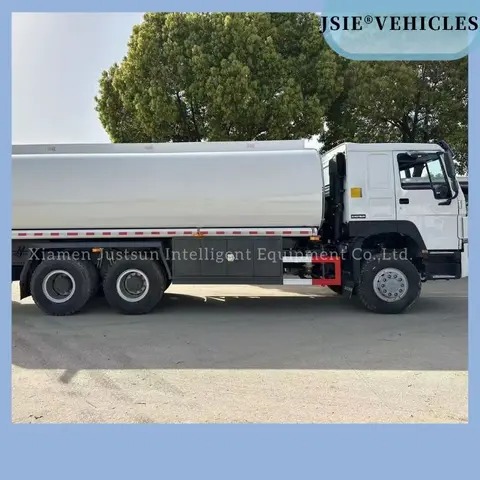
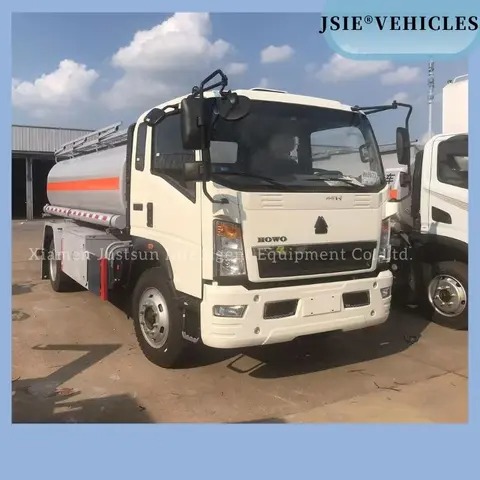
Before stepping into the driver’s seat, it's crucial to understand the fuel truck’s basic operational components. A fuel truck consists of a large tanker mounted on a vehicle, which is equipped with pumps and hoses to deliver fuel. These trucks are typically used by fuel distribution companies, airports, and gas stations, and are designed to handle the transportation of large quantities of fuel in a safe and controlled manner.
Tanker: The main body of the truck, where the fuel is stored.
Pumps and Hoses: Used for transferring fuel from the truck to storage tanks or other vehicles.
Safety Valves and Shutoff Mechanisms: These devices are designed to stop the flow of fuel in the event of a malfunction or emergency.
Fire Extinguishers and Emergency Kits: Essential tools for managing potential fire hazards.
Understanding these components ensures you’re familiar with the systems you’ll need to operate and manage during the fueling process. Familiarity with each part of the fuel truck is essential for safe operations.
Driving a fuel truck demands an awareness of both personal and environmental safety. Before setting out, there are several safety measures that must be taken to ensure both the vehicle’s and your safety on the road.
Always wear the appropriate PPE before operating a fuel truck. This typically includes:
Flame-resistant clothing
Gloves and safety goggles
Steel-toed boots
Ear protection (for noise)
Make sure the fuel truck is loaded according to standard guidelines. Ensure the load is balanced and the fuel is securely contained to prevent spillage or shift during transit. Improper loading can cause instability and increase the risk of accidents.
Before driving, thoroughly inspect the fuel truck for any potential leaks or damage. This includes checking fuel lines, hoses, and the tanker for signs of wear and tear. If any leaks are detected, immediate action must be taken to repair them before the truck is operated.
Ensure that you have the appropriate certifications and training to operate a fuel truck. This includes obtaining a Commercial Driver’s License (CDL) and specialized training in hazardous materials transportation.
Routine inspection and maintenance are critical for the safe operation of a fuel truck. These checks should be performed daily or at least before each trip. Below are some key aspects to focus on during inspections:
Ensure the fuel tank is intact and that there are no visible signs of corrosion, cracks, or leaks. Regular inspections prevent fuel contamination and ensure that the vehicle complies with safety regulations.
Given the weight of a fuel truck, brake systems must be thoroughly checked. Both the air brake system and hydraulic brake system should be functioning properly. Always check for adequate brake fluid levels and that the brake pads have not worn down too much.
Check the pumps and hoses to ensure they are free from clogs or damage. Faulty pumps can lead to spills or leaks during fuel unloading, so it’s vital to ensure everything is functioning optimally before starting.
Test the emergency shut-off valves, fire extinguishers, and any emergency lighting. These safety mechanisms must be fully operational in case of an emergency, and they should be easily accessible in the event of a crisis.
The process of loading and unloading fuel must be executed with extreme care to prevent spills, accidents, or fires. Follow the specific safety protocols established by your company or regulatory bodies.
Grounding and Bonding: Always ground the truck and establish bonding with the receiving tank to prevent static discharge, which can lead to sparks.
Use Spill Containment Systems: Make sure that any spillage is contained immediately. Use absorbent materials and other containment tools to manage small leaks.
Monitor Fuel Levels: Always monitor the fuel levels to ensure the tank is not overfilled, which can result in spills. Use automatic shut-off valves during loading and unloading.
Even with the best safety practices, emergencies can still happen. It’s essential to be prepared to handle potential situations with calmness and precision. Here are common emergencies and how to manage them:
In the event of a fuel spill:
Stop the truck immediately and move to a safe location.
Contain the spill using absorbent materials.
Evacuate the area and alert local authorities.
If a fire breaks out:
Activate the fire extinguishing system on the truck.
Evacuate the area and alert the fire department.
Never attempt to extinguish large fires on your own unless you are trained and equipped with the proper tools.
In case of an accident involving a fuel truck:
Assess the situation for injuries.
Call emergency services immediately.
Ensure the truck is in a safe position to prevent further hazards, such as fuel leakage or fire.
Safe driving techniques are essential for preventing accidents while transporting hazardous fuel. Below are some best practices to follow:
Fuel trucks are heavy and require more distance to stop than regular vehicles. Always drive at a safe speed, adhering to posted speed limits and adjusting your speed based on road conditions.
Fuel sloshes inside the tanker, which can cause the truck to sway. Avoid sudden acceleration, braking, or sharp turns. Gradual movements help maintain stability and prevent spills or accidents.
Fuel truck drivers must remain fully alert at all times. Avoid distractions such as using a phone or eating while driving. Make sure you are well-rested before starting a long drive.
Ensure you are familiar with the roads and routes that are suitable for transporting fuel. Avoid driving through congested urban areas or near schools, residential areas, or other high-traffic zones when possible.
Fuel trucks are subject to numerous safety regulations at both the federal and state levels. These regulations are designed to protect both the driver and the public from the dangers of transporting flammable materials.
The Department of Transportation (DOT) has established guidelines for the transportation of hazardous materials, including fuel. Ensure you comply with all DOT regulations regarding vehicle maintenance, driver training, and the transportation of hazardous materials.
Comply with environmental regulations to avoid spills and pollution. Use leak-proof seals, conduct regular inspections, and adhere to local environmental standards to minimize the environmental impact of transporting fuel.
Operating a fuel truck requires more than just the ability to drive a large vehicle. It demands a deep understanding of safety protocols, vehicle maintenance, proper handling of fuel, and adherence to regulatory requirements. By following the guidelines outlined in this step-by-step guide, you can ensure a safe and efficient operation, reducing the risk of accidents, environmental damage, and harm to people.
Fuel truck operations are a critical part of transporting energy resources, and maintaining safety in this field is essential to both the industry and the community at large.
1. What certifications do I need to drive a fuel truck?
You will need a Commercial Driver’s License (CDL) with a hazardous materials endorsement. Additionally, specialized training in hazardous materials handling is required.
2. How often should a fuel truck undergo maintenance?
Fuel trucks should undergo regular inspections before each trip and more thorough maintenance checks at least every 6 months. This includes checking brake systems, hoses, and pumps.
3. What should I do if I spill fuel?
Immediately stop the vehicle, contain the spill using absorbent materials, and evacuate the area. Notify the authorities for further assistance.
4. Can I drive a fuel truck in inclement weather?
While it’s possible to drive a fuel truck in adverse weather conditions, extra caution must be exercised. Ensure the roads are clear and adjust your speed to account for weather-related hazards like ice or rain.