Telephone/WhatsApp: +86-13950097655 E-mail: eric@justsuntrucks.com
Please Choose Your Language

- All
- Product Name
- Product Keyword
- Product Model
- Product Summary
- Product Description
- Multi Field Search
Views: 0 Author: Site Editor Publish Time: 2025-12-18 Origin: Site
City cleaning is an essential part of urban life, and choosing the right sanitation truck plays a pivotal role. With various options available, how do you select the right one for your city's needs?
In this article, we will guide you through the factors to consider when choosing a sanitation truck. You will learn about the different types, key features, and cost considerations to ensure effective waste management for your city.
Type of Sanitation Truck | Features | Ideal Use Case |
Front-Loading Truck | Fast, efficient, and designed for large-scale waste management. | Commercial waste collection |
Rear-Loading Truck | Can maneuver through narrow spaces; ideal for residential areas. | Curbside collection in residential zones |
Side-Loading Truck | Automated arms for bin lifting; best for tight spaces. | Curbside residential waste collection |
Vacuum Truck | Uses suction to collect debris, liquids, or hazardous waste. | Street cleaning, storm drain cleaning |
One of the first decisions when choosing a sanitation truck is whether to opt for a front-loading or rear-loading model. Front-loading trucks are ideal for commercial waste collection where bins are placed in front of the truck. They are fast and efficient for larger waste management needs. On the other hand, rear-loading trucks are commonly used for residential areas. These trucks can easily maneuver through tight spaces and handle curbside waste collection.
Side-loading sanitation trucks are designed for curbside collection, where waste is deposited directly into the truck from the side. They are especially useful for areas with narrow streets or densely packed residential zones. These trucks are equipped with automated arms that lift and dump bins into the truck, making them efficient and reducing the need for manual labor.
For city cleaning tasks that involve liquids or finer waste particles, vacuum trucks are a perfect solution. These trucks use suction to collect debris, liquids, or hazardous waste, making them ideal for street cleaning, storm drain cleaning, or cleaning construction sites. They are especially useful in urban environments where traditional waste collection methods may not be as effective.
Key Feature | Importance and Benefits |
Capacity and Size | Ensures the truck can handle waste volumes without frequent trips. |
Engine Power and Fuel Efficiency | Improves performance and reduces operational costs. |
Durability and Maintenance | Long-lasting trucks reduce downtime and repair costs. |
The capacity of a sanitation truck is one of the most important considerations when selecting the right model. It is crucial to assess the volume of waste that needs to be collected and choose a truck that can handle the demand without frequent trips to the landfill. Larger trucks can carry more waste, increasing efficiency, but smaller trucks are ideal for areas with limited space or high-density zones.
The engine power of the sanitation truck plays a critical role in its performance. A powerful engine allows the truck to operate efficiently, especially when hauling heavy loads over long distances. Additionally, fuel efficiency is a key factor in reducing operational costs. A sanitation truck with advanced fuel-saving technology can help cut costs, making it a more sustainable choice for cities looking to reduce their environmental impact.
Durability is essential for any vehicle used in city cleaning, as sanitation trucks face rough road conditions and frequent stops. Choosing a truck built with robust materials and components will ensure it can withstand long-term use. Regular maintenance is another factor to consider; trucks with easy-to-maintain parts can reduce downtime and repair costs, making them more cost-effective in the long run.
Modern sanitation trucks come equipped with automated features that improve efficiency and reduce the need for manual labor. These features include hydraulic arms for bin lifting, automated waste compaction, and route optimization systems that ensure the truck takes the fastest and most efficient route for waste collection. Smart sensors can also monitor waste levels and alert drivers when the truck needs to be emptied.
With increasing environmental concerns, more cities are opting for eco-friendly sanitation solutions. Electric or hybrid sanitation trucks are becoming popular due to their lower emissions and reduced environmental impact. These trucks contribute to cleaner air and help cities meet stricter emission standards. Additionally, waste-to-energy technologies in sanitation trucks are emerging, converting waste into renewable energy, which further supports sustainability.
GPS systems and telematics integration allow sanitation trucks to operate more efficiently. GPS tracking enables fleet managers to monitor truck locations in real time, optimize routes, and improve scheduling. Telematics can provide performance data, such as fuel consumption, engine health, and maintenance schedules, which can improve the truck's lifespan and performance.
While the initial cost of purchasing a sanitation truck can be high, it is important to consider long-term savings. Trucks with higher fuel efficiency, lower maintenance costs, and longer lifespans can result in significant savings over time. Therefore, it is crucial to weigh the upfront costs against the potential savings in fuel and repairs.
Many governments offer grants or incentives for cities that invest in eco-friendly sanitation trucks. These programs can help reduce the cost of purchasing electric or hybrid trucks, making them more affordable for municipalities. It’s worth researching the available funding options in your area to take advantage of such opportunities.
Leasing a sanitation truck may be a more cost-effective option for cities with limited budgets. Leasing allows municipalities to avoid the large upfront cost and provides flexibility, as the fleet can be updated more frequently. On the other hand, purchasing a truck offers long-term benefits, including ownership and potentially lower costs over time, especially if the truck is used for many years.
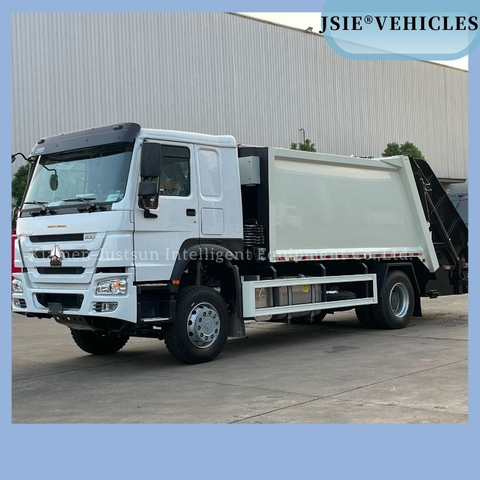
Choosing a reputable supplier for your sanitation truck is crucial. It’s important to select a supplier with a proven track record of providing high-quality, reliable trucks. A reputable supplier will also offer warranties and after-sales support, ensuring that any issues with the truck are resolved quickly and effectively.
After-sales support is essential when selecting a sanitation truck supplier. Ensure the supplier offers maintenance services and that parts are readily available. A good after-sales service plan can reduce downtime and increase the truck’s operational lifespan.
Many suppliers offer customization options to tailor the sanitation truck to a city’s specific needs. Customizations may include different body types, waste containers, or features like additional water tanks for street cleaning. Working with a supplier that offers these options can help ensure the truck is well-suited for the job at hand.
Selecting the right sanitation truck is crucial for efficient city cleaning. Factors like capacity, fuel efficiency, and maintenance should guide your decision. Understanding different truck types and their features will ensure that your city's waste management needs are met.
Xiamen Justsun Intelligent Equipment Co., Ltd. offers high-quality sanitation trucks designed for urban environments. Their trucks combine advanced technology and durability to provide efficient and sustainable cleaning solutions for cities.
A: A sanitation truck is a vehicle designed to collect and transport waste in urban areas. It plays a vital role in maintaining cleanliness, hygiene, and the overall environment of a city by efficiently managing waste removal.
A: When selecting a sanitation truck, consider factors like capacity, fuel efficiency, maintenance needs, and the type of waste being collected. Choose a truck that fits your city's specific needs and urban conditions.
A: The main types of sanitation trucks are front-loading, rear-loading, side-loading, and vacuum trucks. Each type is suitable for different collection methods, such as residential, commercial, or street cleaning.
A: Modern sanitation trucks often feature fuel-efficient engines, electric options, and environmentally friendly technologies like waste-to-energy systems, helping to reduce emissions and the overall environmental impact of waste management.
A: Sanitation trucks can have higher maintenance costs due to their heavy-duty nature, but regular maintenance can help extend their lifespan. Fuel efficiency and reduced downtime also contribute to cost savings in the long run.