Telephone/WhatsApp: +86-13950097655 E-mail: eric@justsuntrucks.com
Please Choose Your Language

- All
- Product Name
- Product Keyword
- Product Model
- Product Summary
- Product Description
- Multi Field Search
Views: 0 Author: Site Editor Publish Time: 2026-03-02 Origin: Site
Dump trucks are essential for heavy-duty work, especially in industries such as construction, mining, and waste management. They are subjected to harsh conditions, which makes regular maintenance vital for ensuring their longevity and performance. In this article, we will explore the critical aspects of maintaining your dump truck, from routine checks to advanced repair tips, all designed to help you get the most out of your vehicle, reduce downtime, and enhance operational efficiency.
One of the primary reasons for regular maintenance is to prevent unplanned downtime. Dump trucks are valuable assets, and unexpected breakdowns can result in costly delays and lost productivity. A well-maintained truck is less likely to experience sudden failures, keeping your operations running smoothly.
Routine maintenance ensures that your dump truck operates at peak efficiency. Maintaining key components such as the engine, transmission, and tires in optimal condition helps reduce fuel consumption, lowers operating costs, and improves overall vehicle performance. Regular inspections also help identify potential issues early on, minimizing the risk of expensive repairs.
By catching minor problems early and addressing them before they escalate, regular maintenance helps save significant amounts on repairs and replacements. Well-maintained trucks experience fewer costly issues, and their resale value remains higher due to the extended lifespan of key components.
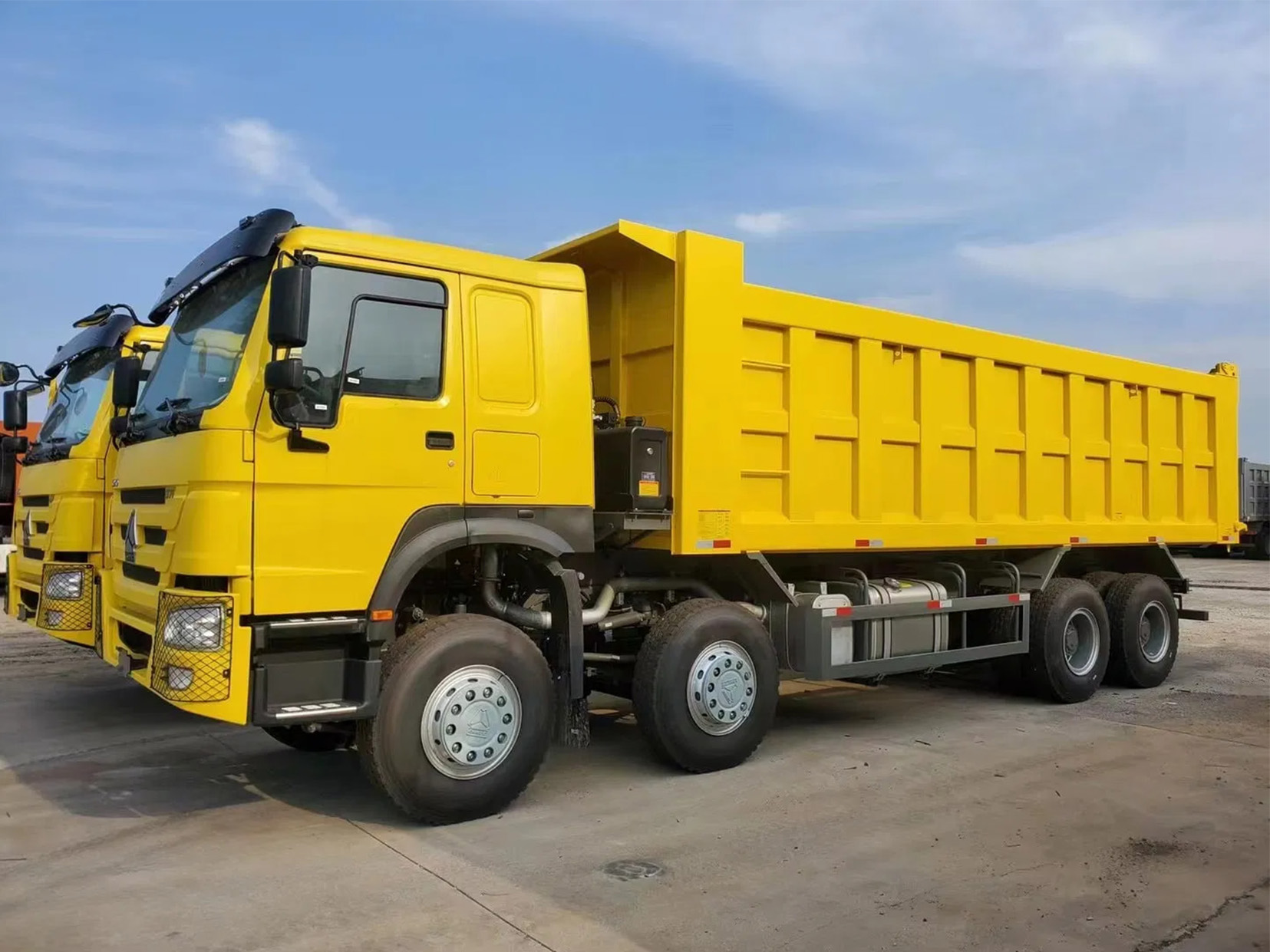
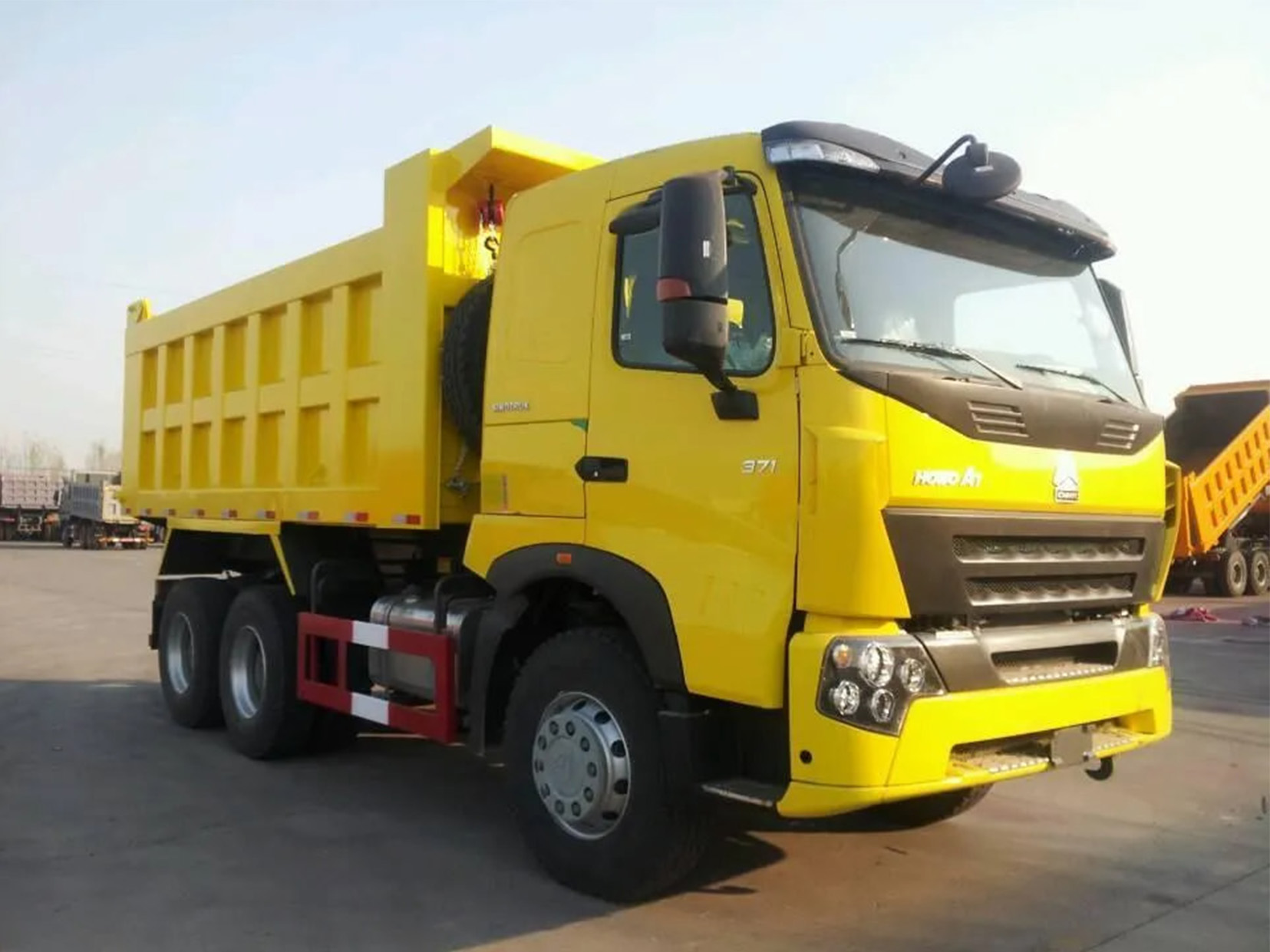
Regular oil changes are essential for the health of your dump truck's engine. Over time, engine oil degrades and becomes less effective at lubricating engine parts, which can lead to increased wear and tear. To keep your engine running smoothly, make sure to change the oil according to the manufacturer’s recommendations.
The air and fuel filters play a critical role in ensuring the truck's engine receives clean air and fuel. Clogged or dirty filters can cause the engine to perform poorly and decrease fuel efficiency. Make sure to inspect and replace these filters regularly to ensure optimal engine performance.
The transmission and drivetrain are vital for your dump truck’s ability to operate smoothly. Regularly check the fluid levels and quality, ensuring they are within manufacturer guidelines. Over time, transmission fluid can become contaminated, which may lead to transmission failure. Always follow the recommended maintenance schedule for fluid changes.
The drive shaft and bearings are essential for transmitting power from the engine to the wheels. Regularly inspect these components for any signs of wear or damage. Any issues should be addressed immediately to avoid more serious problems down the road.
The brake system is one of the most critical safety features of any vehicle. Ensure that the brake pads, discs, and other components are regularly inspected and adjusted to maintain peak braking performance. Worn brake pads can reduce braking efficiency and pose a safety risk.
Brake fluid is essential for the proper operation of the hydraulic system. Make sure to regularly check the brake fluid levels and top them up if necessary. Additionally, inspect the hydraulic system for leaks or damage to maintain safe and effective braking.
The suspension system ensures a smooth ride, even when driving over rough terrain. Regularly check the shock absorbers, leaf springs, and other suspension components for signs of wear. If you notice any sagging or unusual noises, it may be time for an inspection and potential replacement.
Proper alignment of the steering system is crucial for safe handling. Misalignment can cause uneven tire wear and make the truck more difficult to steer. Ensure that your dump truck’s steering system is regularly aligned to maintain both safety and performance.
Tire pressure affects fuel efficiency, safety, and tire longevity. Check tire pressure regularly to ensure it is within the recommended range. Underinflated tires can cause excessive wear, reduce fuel efficiency, and increase the risk of tire blowouts.
Rotating your dump truck's tires ensures even wear and extends tire life. Tire rotation should be performed regularly based on the truck's usage and manufacturer recommendations. Additionally, inspect the tires for signs of damage, such as cracks or punctures, and replace them as necessary.
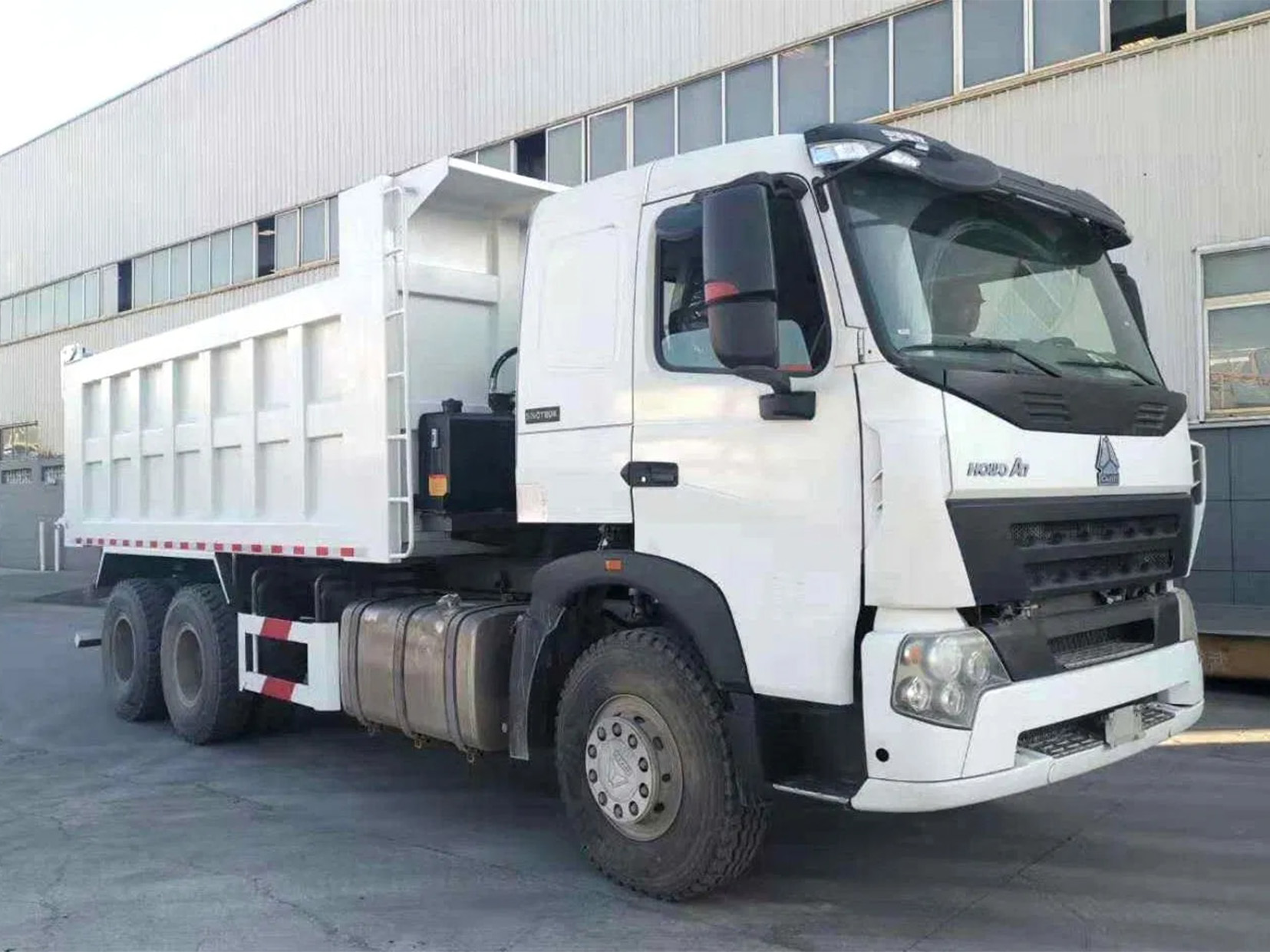
Before each trip, perform a comprehensive inspection of the truck. Check the tires, brakes, lights, and fluid levels. Ensure that all safety equipment, such as fire extinguishers and first-aid kits, is in place and functioning. A pre-trip inspection helps identify potential problems early and ensures that your dump truck is ready for the road.
After completing a trip, conduct a post-trip inspection. Look for any signs of damage, wear, or leaks. Taking the time to inspect your truck after each trip helps catch problems before they worsen and keeps your vehicle in optimal working condition.
In addition to daily checks, set up a schedule for more thorough inspections at regular intervals (such as every 1000 operating hours). These in-depth inspections should cover major components like the engine, transmission, and suspension, and allow for early detection of any developing issues.
Establish a regular maintenance schedule based on your dump truck’s usage and the manufacturer's recommendations. A consistent schedule ensures that no component is overlooked and that the truck operates efficiently throughout its lifespan.
Preventive maintenance involves identifying and addressing issues before they cause significant damage. Regularly inspect key systems, change fluids, and replace worn parts to avoid costly repairs in the future. Following preventive maintenance protocols can also improve vehicle safety and reduce unexpected breakdowns.
While some maintenance tasks can be performed in-house, others, such as complex repairs or system overhauls, should be handled by certified professionals. Professional technicians have the tools and expertise necessary to diagnose and repair issues quickly and efficiently, helping to minimize downtime.
Original Equipment Manufacturer (OEM) parts are designed specifically for your dump truck, ensuring the highest level of compatibility and reliability. Using OEM parts can help extend the lifespan of your truck and maintain its performance, reducing the likelihood of unexpected breakdowns.
Using high-quality fluids such as engine oil, transmission fluid, and brake fluid is essential for maintaining the dump truck’s efficiency. Low-quality fluids may degrade faster, leading to engine wear and lower performance. Always choose fluids that meet the manufacturer’s specifications.
While aftermarket parts can be cheaper, they often come with risks, including poor compatibility and shorter lifespans. Using low-quality parts can lead to further damage to your truck, so it's advisable to stick to OEM parts when possible.
Deciding whether to repair or replace a component depends on the severity of the damage. If a part is still under warranty or can be repaired at a reasonable cost, go for a repair. However, if the part is severely damaged or worn out, replacement might be a better long-term solution.
If your dump truck is showing signs of significant issues—such as persistent engine problems, poor fuel efficiency, or severe rust on the chassis—it may be time for a major overhaul. Regularly assess these indicators to make timely decisions on necessary repairs.
Repair costs can add up over time, so managing your maintenance budget is crucial. Plan for repairs in advance, use OEM parts, and consider setting aside a portion of your budget for unexpected repairs.
Maintaining your dump truck is essential for ensuring optimal performance and reducing the risk of costly repairs. By focusing on key areas such as engine care, transmission maintenance, and tire management, you can keep your truck running smoothly for years to come. Establishing a regular maintenance schedule, utilizing preventive maintenance, and using quality parts will help minimize downtime and improve efficiency. Whether you're managing a single dump truck or an entire fleet, regular maintenance is the key to long-term success.