Telephone/WhatsApp: +86-13950097655 E-mail: eric@justsuntrucks.com
Please Choose Your Language

- All
- Product Name
- Product Keyword
- Product Model
- Product Summary
- Product Description
- Multi Field Search
Views: 0 Author: Site Editor Publish Time: 2025-12-30 Origin: Site
Transporting heavy machinery and oversized loads requires the right equipment. But how do you choose the best trailer for the job?
In this guide, we will explore everything you need to know about purchasing and configuring a Low Bed Semi Trailer. You’ll learn about key factors, configurations, and how to ensure you get the best value for your investment.
A Low Bed Semi Trailer is a type of trailer designed specifically for transporting heavy loads, typically with a deck that sits lower to the ground. This low deck design makes loading and unloading easier, especially for oversized or heavy equipment, such as construction machinery or industrial goods. These trailers are popular in industries like construction, mining, and agriculture due to their ability to handle challenging loads with ease.
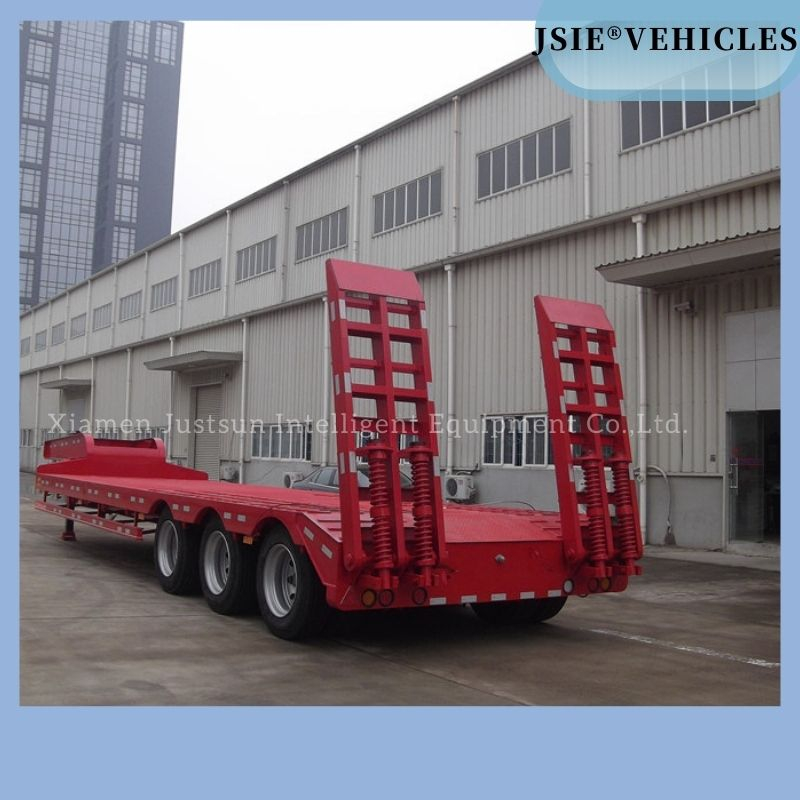
The Low Bed Semi Trailer is commonly used in transporting large machinery, vehicles, and construction materials. They are ideal for transporting equipment like excavators, cranes, and turbines, ensuring these large items are transported securely and without damage. Many industries depend on these trailers for moving their heaviest assets across long distances.
There are several types of Low Bed Semi Trailers, each with its unique features. These include:
● Fixed Low Bed Semi Trailers: These have a fixed length and are great for regular loads of similar size and weight.
● Extendable Low Bed Semi Trailers: These trailers can be extended to accommodate longer loads, making them ideal for transporting larger equipment or goods.
● Hydraulic Low Bed Semi Trailers: These trailers have hydraulic systems that help in raising and lowering the bed, making it easier to load and unload.
Trailer Type | Features | Best for |
Fixed Low Bed | Non-expandable, simple design with low deck height. | Frequent transport of similar-sized equipment. |
Extendable Low Bed | Can extend to carry longer loads. | Transporting longer machinery or oversized items. |
Hydraulic Low Bed | Equipped with hydraulic systems for easier loading and unloading. | Handling heavy, hard-to-load equipment. |
Factor | Description |
Load Capacity | Ensure the trailer can handle the weight of the equipment or materials being transported. |
Trailer Design | Fixed, extendable, or hydraulic low bed trailers depending on load size and frequency of transport. |
Safety Features | Look for trailers with anti-slip surfaces, proper load securing systems, and robust braking mechanisms. |
Material | Choose between steel for durability or aluminum for a lighter weight and corrosion resistance. |
Budget | Factor in the upfront cost as well as ongoing maintenance and customization options. |
When choosing a Low Bed Semi Trailer, it’s crucial to consider the load capacity. Understanding the weight and dimensions of the equipment you intend to transport will help you select the appropriate trailer size. Ensure that the trailer can support the weight and size of the load, as exceeding the weight capacity can lead to safety hazards and wear and tear on the trailer.
The materials used in constructing a Low Bed Semi Trailer play a significant role in its durability and lifespan. Steel is the most common material for trailers because it provides strength and durability. However, aluminum trailers are lighter and more resistant to corrosion, making them suitable for certain environments, especially in coastal areas. Choose a material that aligns with your business needs.
When transporting heavy loads, safety is a priority. Low Bed Semi Trailers are equipped with various safety features such as anti-slip surfaces, proper load securing mechanisms, and advanced braking systems. Make sure to select a trailer with the necessary safety features to ensure the safety of both your load and your crew.
The price of Low Bed Semi Trailers can vary significantly based on their size, configuration, and features. While it might be tempting to go for the cheapest option, it’s important to consider the long-term benefits of investing in a high-quality trailer that will last longer and incur fewer maintenance costs. Don’t forget to factor in the cost of regular maintenance and any potential customization you may need.
When configuring a Low Bed Semi Trailer, the design should match the type of loads you are transporting. A fixed-bed trailer is ideal for frequent transport of similar equipment, while an extendable trailer provides flexibility for longer loads. If you need frequent adjustments for loading, a hydraulic low bed semi trailer might be the best choice.
One of the key features of Low Bed Semi Trailers is the hydraulic lifting system. This system makes it easier to load and unload heavy machinery by lowering the bed to the ground level. This reduces the need for ramps and helps with smoother operations, making it an excellent option for businesses that frequently load and unload heavy items.
Customization plays an important role in selecting the right Low Bed Semi Trailer. Some trailers can be fitted with additional ramps, adjustable axles, or even a reinforced floor depending on the type of goods being transported. Look for trailers that offer easy customization to suit your specific needs.
The design of Low Bed Semi Trailers allows them to carry large, heavy loads, providing more capacity than regular trailers. With their low center of gravity, these trailers offer better stability for transporting oversized machinery or construction equipment.
Due to their lower deck height, Low Bed Semi Trailers are inherently safer for transporting heavy and unstable loads. The low profile lowers the center of gravity, reducing the risk of tipping over and increasing overall trailer stability.
Low Bed Semi Trailers are built to handle tough loads, which means they are generally more durable. While the upfront cost may be higher, the long-term savings in maintenance make them a great investment. Their robust design and ability to carry heavy loads with minimal strain contribute to fewer breakdowns and lower overall maintenance costs.
Tire problems are common in Low Bed Semi Trailers, especially due to the heavy loads they carry. To avoid tire wear and tear, ensure regular inspections and maintenance. Rotate tires periodically and check for uneven wear, which could indicate alignment issues.
Brake failure can occur if the trailer’s braking system is not regularly maintained. Ensure the braking system is thoroughly checked before every use, especially in high-stress situations like hauling heavy machinery. Replace worn-out brake pads and check the hydraulic system for leaks.
Hydraulic systems on Low Bed Semi Trailers are essential for smooth loading and unloading. Regular inspection of the hydraulic fluid levels and checking for leaks is crucial to ensure the trailer’s hydraulic system operates effectively.
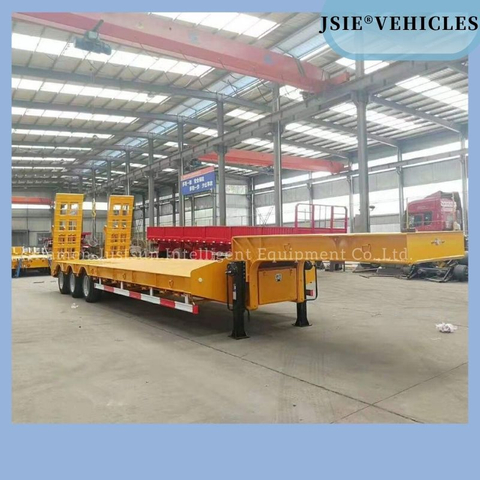
As the transportation industry continues to innovate, Low Bed Semi Trailers are evolving with new technologies. Modern trailers are being equipped with advanced telematics systems that allow for real-time tracking of cargo. Additionally, lightweight materials and fuel-efficient designs are on the rise, improving both sustainability and performance.
The demand for Low Bed Semi Trailers is expected to grow as industries like construction and mining expand. This growth is driven by increased infrastructure development and the need for specialized transport solutions. As the market grows, more customized solutions will be available to meet diverse customer needs.
Low Bed Semi Trailers are essential for transporting heavy and oversized loads. This guide covers key considerations when buying, such as load capacity, design, and safety features. Choosing the right configuration and customizing the trailer ensures it fits your business needs. Ryan Optics Technology Co., Ltd. offers durable and reliable Low Bed Semi Trailers with customizable options, helping businesses efficiently transport heavy machinery and reduce operational costs.
A: A Low Bed Semi Trailer is a specialized trailer designed to transport heavy and oversized loads. It has a low deck height, which allows for easier loading and unloading of large machinery or equipment.
A: Low Bed Semi Trailers are ideal for transporting heavy machinery due to their low center of gravity, which provides better stability and safety during transportation, reducing the risk of tipping over.
A: Consider factors like load capacity, trailer dimensions, and safety features when choosing a Low Bed Semi Trailer. It’s also important to assess the trailer design (fixed, extendable, or hydraulic) based on the specific equipment you plan to transport.
A: Low Bed Semi Trailers offer increased load capacity, enhanced safety, and reduced maintenance costs. Their design also improves stability, making them ideal for heavy-duty transportation.
A: The price of a Low Bed Semi Trailer depends on the configuration, materials, and customization options. Prices typically range from $30,000 to $80,000, depending on the trailer's features.
A: Regular maintenance includes checking tire wear, inspecting the braking system, and maintaining the hydraulic system. Proper upkeep ensures the Low Bed Semi Trailer remains reliable and efficient.
A: Yes, Low Bed Semi Trailers can be customized with additional features such as ramps, reinforced floors, and hydraulic lifting systems, based on the type of loads you intend to carry.
A: With proper maintenance, a Low Bed Semi Trailer can last 15-20 years, depending on the conditions it is used in and the quality of materials it is made from.