Telephone/WhatsApp: +86-13950097655 E-mail: eric@justsuntrucks.com
Please Choose Your Language

- All
- Product Name
- Product Keyword
- Product Model
- Product Summary
- Product Description
- Multi Field Search
Views: 0 Author: Site Editor Publish Time: 2026-03-31 Origin: Site
Payload capacity is one of the most important specifications when selecting a dump truck for mining, construction, or heavy-duty industrial operations. It determines how much material a truck can carry safely, directly impacting efficiency, cost-effectiveness, and operational productivity. A truck with insufficient payload capacity may require multiple trips to move the same volume of material, increasing fuel consumption, labor costs, and wear on the vehicle. Conversely, exceeding a truck’s rated capacity can cause mechanical failure, safety hazards, and regulatory violations.
Understanding the role of payload capacity is essential for operators, fleet managers, and mining engineers. It affects not only the choice of truck model but also operational planning, maintenance scheduling, and site layout. This comprehensive guide examines why payload capacity is critical for dump trucks, how it influences operational efficiency, and what factors to consider when choosing the right vehicle for your production line. The guide concludes by highlighting how working with a professional manufacturer, such as Xiamen Justsun Intelligent Equipment Co., Ltd., ensures access to reliable, high-capacity dump trucks suitable for your specific needs.
Payload capacity refers to the maximum weight of material a dump truck can safely carry in its cargo bed. This includes loose materials like rock, sand, coal, ore, or construction debris. The manufacturer determines this capacity based on the truck’s structural integrity, engine power, suspension, and tire rating. Maintaining operations within the recommended payload limits ensures the truck performs efficiently without overstressing critical components.
A truck’s payload directly affects the number of trips required to transport materials. Higher-capacity trucks move more material per trip, reducing the total number of cycles and lowering fuel costs. For mining operations, this translates into faster material handling and improved overall production rates. Accurately matching payload capacity to operational needs ensures that material transport is optimized while preventing unnecessary wear on vehicles.
The structural design of a dump truck, including chassis strength, frame rigidity, and reinforced cargo beds, determines how much weight it can carry safely. Trucks built with high-strength steel frames and reinforced suspensions support larger loads and withstand repetitive stress during heavy-duty operations. A weaker frame may deform under heavy loads, leading to mechanical failures and safety risks.
Engine performance plays a crucial role in enabling trucks to carry their maximum payload efficiently. High torque and horsepower allow trucks to transport heavy loads uphill, over uneven terrain, or across long distances. The drivetrain, including transmission, axles, and differential systems, must be engineered to handle the stresses associated with full payload operation. Inadequate power can reduce efficiency and cause excessive wear on mechanical components.
Tires are a critical factor in determining payload capacity. Each tire has a rated load limit, and exceeding this limit can lead to blowouts or rapid wear. Mining and construction dump trucks often use off-the-road (OTR) tires designed to support extreme loads on rough surfaces. Proper tire selection ensures safety, stability, and durability under full payload conditions.
The suspension system supports the truck’s weight and maintains stability during transit. Heavy-duty suspension, whether multi-leaf springs, hydraulic systems, or air suspensions, absorbs shocks and prevents damage to the chassis and cargo bed. Suspension design affects both the maximum payload and ride quality, particularly on uneven or rough terrain.
Exceeding a truck’s rated payload may violate safety regulations, weight limits on roads, and environmental restrictions. Compliance with national or local weight regulations is critical to avoid penalties, maintain insurance coverage, and ensure operator safety. Regulatory adherence often dictates maximum payload and truck configuration.
Carrying the maximum allowable payload efficiently can improve fuel economy. Trucks that are consistently underloaded operate below optimal efficiency, increasing fuel consumption per ton of material transported. Conversely, overloading a truck leads to increased engine strain, higher fuel usage, and accelerated component wear.
Higher payload capacity reduces the number of trips required to move the same amount of material. Shorter cycle times increase operational productivity, allowing mining or construction operations to meet production targets more efficiently. Optimized payload also reduces labor hours and truck fleet requirements.
Operating within the rated payload reduces stress on tires, suspension, axles, and the engine. Overloading accelerates wear, increases downtime for repairs, and may lead to catastrophic mechanical failures. Properly matching payload to truck design prolongs service life and lowers maintenance costs.
Overloading a dump truck can compromise braking, steering, and stability, increasing the risk of accidents. Maintaining payload within recommended limits ensures predictable handling, reduces rollover risk, and protects both operators and nearby personnel. Safety features like ROPS (Rollover Protection System) and stability control further enhance operational safety under full-load conditions.
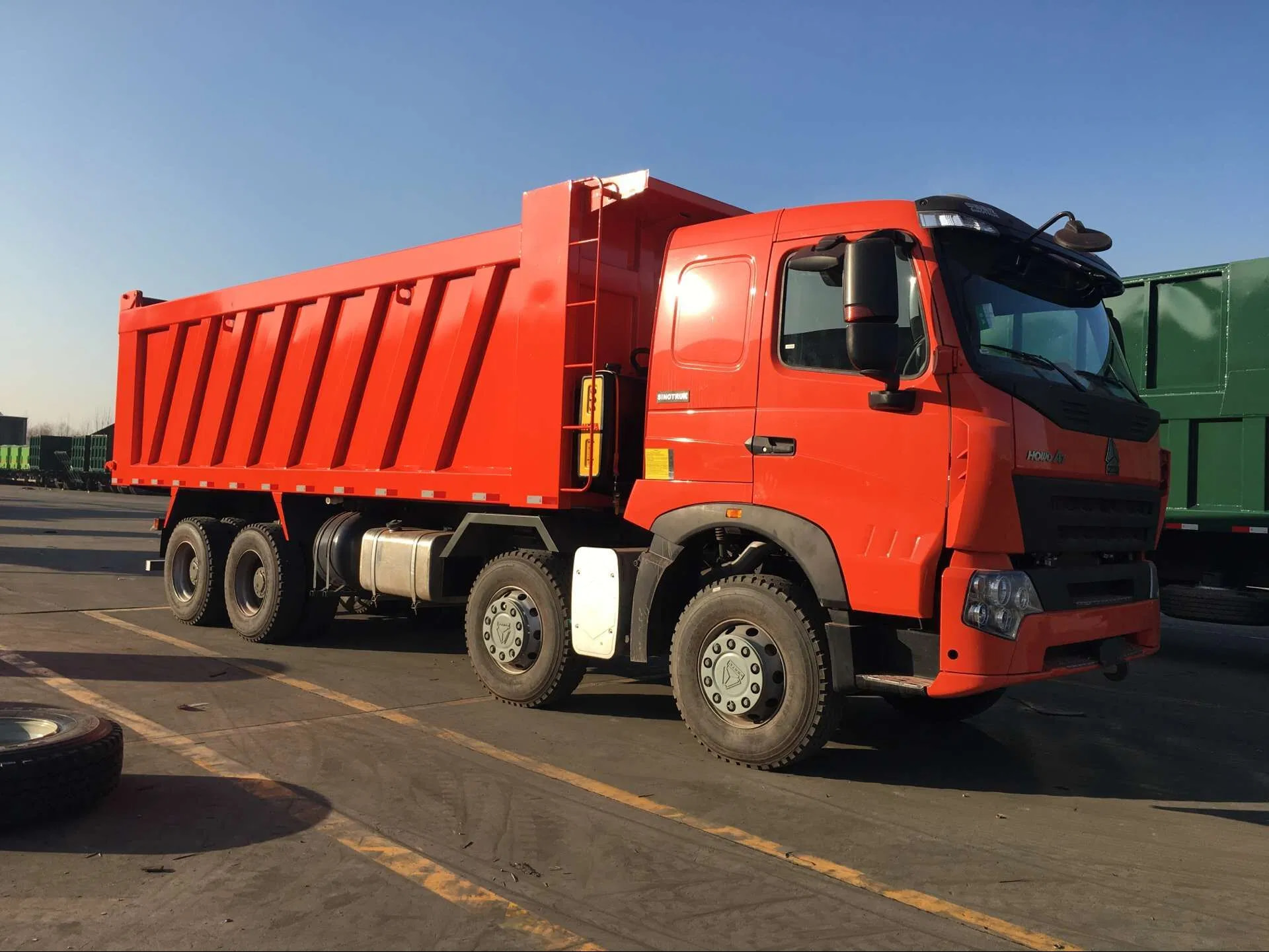
Rigid dump trucks are designed for high-capacity, open-pit mining operations. They feature a fixed chassis and carry large loads over prepared haul roads. Payload capacity typically ranges from 30 to 400 tons, depending on the model and manufacturer. These trucks are ideal for high-volume material movement where terrain is relatively uniform.
Articulated dump trucks are designed for rough, uneven terrain. Their pivoted chassis provides superior maneuverability, making them suitable for mining sites with narrow passages, mud, or steep grades. Payload capacities generally range from 20 to 60 tons, balancing load efficiency with off-road mobility.
Specialized off-highway trucks are purpose-built for extreme mining environments. These trucks combine high payload capacity, reinforced chassis, heavy-duty suspensions, and large-diameter OTR tires to transport massive loads in challenging conditions. Payloads can exceed 300 tons for large-scale operations.
The density of the material affects payload selection. For example, coal is less dense than iron ore, so trucks transporting heavier materials may reach volumetric capacity before weight limits. Calculating both volumetric and weight capacity ensures that trucks operate efficiently and safely.
Terrain impacts payload efficiency. Steep gradients or rough surfaces may require reduced payload to maintain traction and stability. Articulated trucks may carry smaller loads but offer better maneuverability in challenging conditions.
Production planning should align truck payload with desired throughput. Selecting a truck that optimizes load per cycle while maintaining safety allows operations to meet material transport targets without unnecessary fleet expansion.
Maintenance Aspect | Key Details & Benefits |
Regular Inspections | Trucks operating at or near full payload require regular inspections of tires, suspension, brakes, and drivetrain. Scheduled maintenance prevents breakdowns and ensures safe operation. |
Component Longevity | Payload directly affects wear and tear on structural components, engine, and tires. Selecting a truck designed to handle the required payload extends operational life and reduces replacement costs. |
Manufacturer Support | Choosing a reliable manufacturer ensures access to spare parts, technical support, and customized solutions tailored to your mining operation. Maintenance schedules and service agreements improve uptime and operational reliability. |
Modern dump trucks feature telemetry systems that monitor load, engine health, fuel consumption, and operating hours. Load sensors help operators avoid overloading, enhancing safety and efficiency.
Advanced dump trucks include automated braking, stability control, collision avoidance, and ROPS. These systems protect the vehicle and operator, particularly when operating at or near full payload.
Engines must comply with environmental regulations such as Tier 4, Euro VI, or equivalent standards. Efficient engines reduce fuel consumption and emissions while handling full payloads safely.
Payload limits are often regulated on public roads or within mining sites. Adhering to these limits ensures compliance, avoids penalties, and maintains insurance coverage.
In open-pit operations, rigid trucks transport large quantities of ore over long distances. Maximizing payload ensures fewer cycles, higher productivity, and lower operational costs.
For underground mining, articulated trucks with smaller payloads provide maneuverability in confined spaces. Payload must be balanced with safety and mobility requirements.
Construction sites and quarries benefit from versatile trucks that handle varying payloads. Properly matching truck capacity to material type improves efficiency and reduces fuel consumption.
Payload capacity is a critical factor in selecting the right dump truck for mining operations. It directly impacts efficiency, fuel consumption, maintenance, safety, and regulatory compliance. Choosing a truck that balances load capacity with terrain, material density, and operational goals ensures reliable and cost-effective operations. Partnering with an experienced manufacturer like Xiamen Justsun Intelligent Equipment Co., Ltd. provides access to high-quality dump trucks tailored to specific mining and industrial applications. Their expertise in engineering, customization, and technical support ensures that operators can maximize productivity, maintain safety, and reduce long-term costs while meeting production targets.
Q: Why is payload capacity important for dump trucks?
A: Payload capacity determines how much material a truck can transport efficiently and safely, affecting productivity, fuel use, and maintenance costs.
Q: How does terrain affect payload decisions?
A: Rough or steep terrain may require reduced payloads to maintain stability, traction, and safety during operations.
Q: Can overloading a dump truck damage it?
A: Yes, exceeding the rated payload can lead to mechanical failures, tire blowouts, reduced braking efficiency, and safety hazards.
Q: What are the differences between articulated and rigid dump trucks in terms of payload?
A: Rigid trucks carry higher payloads on prepared roads, while articulated trucks offer better maneuverability in rough terrain but typically have lower payload capacities.