Telephone/WhatsApp: +86-13950097655 E-mail: eric@justsuntrucks.com
Please Choose Your Language

- All
- Product Name
- Product Keyword
- Product Model
- Product Summary
- Product Description
- Multi Field Search
Views: 189 Author: Site Editor Publish Time: 2025-12-16 Origin: Site
Buying a dump semi trailer can be a significant investment for anyone in industries like construction, mining, agriculture, or waste management. A dump semi trailer is a crucial piece of equipment that provides the efficiency and durability needed for hauling heavy loads like sand, gravel, or debris. However, choosing the right one requires understanding several key factors—from types and features to budget constraints and long-term maintenance.
This guide aims to walk you through the essential considerations when purchasing a dump semi trailer, helping you make an informed decision that will benefit your operations for years to come.
Dump semi trailers are versatile, heavy-duty vehicles designed to carry and unload bulk materials with ease. They are typically used in construction, agriculture, and various industries where transporting large amounts of material is essential. These trailers are attached to a semi truck and can carry loads ranging from a few tons to over 30 tons, depending on the model and its specifications.
The primary feature of dump semi trailers is their ability to tilt and unload the material carried on them, either through a hydraulic system or mechanical mechanisms. This function makes them ideal for transporting loose materials like sand, dirt, gravel, and other aggregates.
There are several types of dump semi trailers, each tailored for specific applications. Here's a breakdown of the most common ones:
End Dump Semi Trailers
This is the most common type of dump semi trailer. It unloads material from the back of the trailer by tilting the trailer at an angle. End dumps are highly versatile and used in various industries for transporting a range of materials. They are especially useful when unloading material on uneven surfaces.
Side Dump Semi Trailers
Side dump trailers unload material from the side, using hydraulic cylinders to tilt the trailer. These are typically used in situations where space is limited for a rear dump. They are ideal for projects that require precise unloading, such as road construction.
Double and Triple Axle Dump Semi Trailers
These models come with more than two axles to handle heavier loads. Double or triple axles are particularly useful for hauling heavier materials over long distances. However, they require more power from the towing vehicle and can be more difficult to maneuver.
Belly Dump Semi Trailers
Belly dumps unload materials through a chute located at the bottom of the trailer. These trailers are typically used for transporting aggregates like sand or gravel and are ideal for spreading the material evenly on the ground.
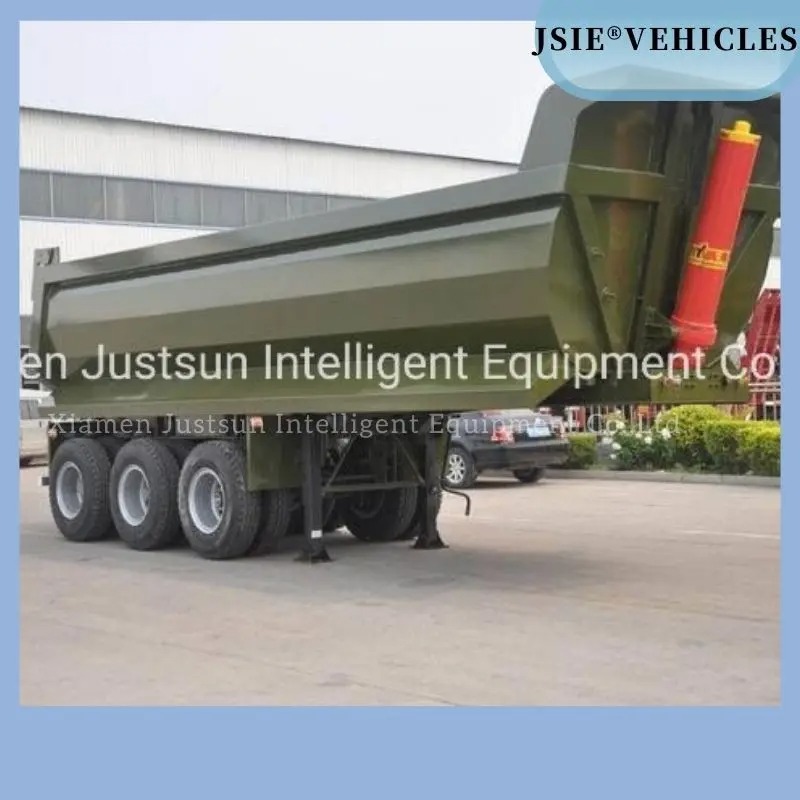
The type of dump semi trailer you need largely depends on your industry and specific needs. For example, if you need to move large amounts of sand, gravel, or dirt, an end dump might be the best option due to its high tipping angle. However, if you are working in areas with limited space, a side dump or belly dump might be more practical.
When shopping for a dump semi trailer, several key features should influence your decision. These features will impact both the functionality of the trailer and the total cost of ownership. Below are some critical aspects to keep in mind:
The construction material plays a crucial role in the durability, weight, and lifespan of the dump semi trailer. Most dump semi trailers are made from steel, aluminum, or a combination of both. Steel is heavier but more durable and ideal for carrying heavy, abrasive loads. Aluminum is lighter, reducing fuel consumption, but may be less durable in certain applications.
The hydraulic system is responsible for raising and lowering the trailer for dumping. Look for a reliable hydraulic system that can handle the weight of the materials you intend to transport. The quality of the pump and cylinders can significantly affect the longevity of the trailer.
Dump semi trailers come with different axle configurations—single, tandem, or tri-axle. The more axles, the higher the weight capacity and stability of the trailer. However, more axles also mean higher maintenance costs and greater difficulty in maneuvering. Be sure to select an axle configuration that aligns with the weight of the loads you plan to haul.
The tipping angle determines how much material the trailer can unload at once. A higher tipping angle means the trailer can unload faster and with more force. However, this can affect the stability of the trailer, especially when unloading on uneven terrain. Choose a tipping angle that suits your needs without sacrificing safety.
The suspension system is responsible for absorbing shocks and ensuring smooth towing. Good suspension will improve the ride quality and reduce wear on both the trailer and the vehicle towing it. Consider models with air or spring suspension for better shock absorption, especially when hauling heavy loads.
Choosing the right dump semi trailer for your business involves a combination of factors, including load requirements, operating conditions, and budget. Here are a few questions to consider during the selection process:
The weight and volume of the materials you transport will directly influence the size and type of dump semi trailer you need. Make sure to select a trailer with a weight rating that can handle your heaviest loads.
Are you mostly driving on highways, or do you often operate in rough, off-road conditions? Your choice of trailer should match the demands of your work environment. For example, if you regularly work on uneven or muddy surfaces, an end dump with a higher tipping angle may be better suited for your needs.
All trailers require maintenance, but the level of care needed varies depending on the model. Some trailers have simpler systems that are easier to repair and maintain, while others, like those with advanced hydraulic systems, may require specialized knowledge. Consider the time and effort you're willing to invest in maintenance.
While a lower upfront cost may seem attractive, it’s important to consider long-term costs such as fuel, maintenance, and repairs. Sometimes investing in a more expensive but more durable dump semi trailer can save money in the long run by reducing downtime and repair costs.
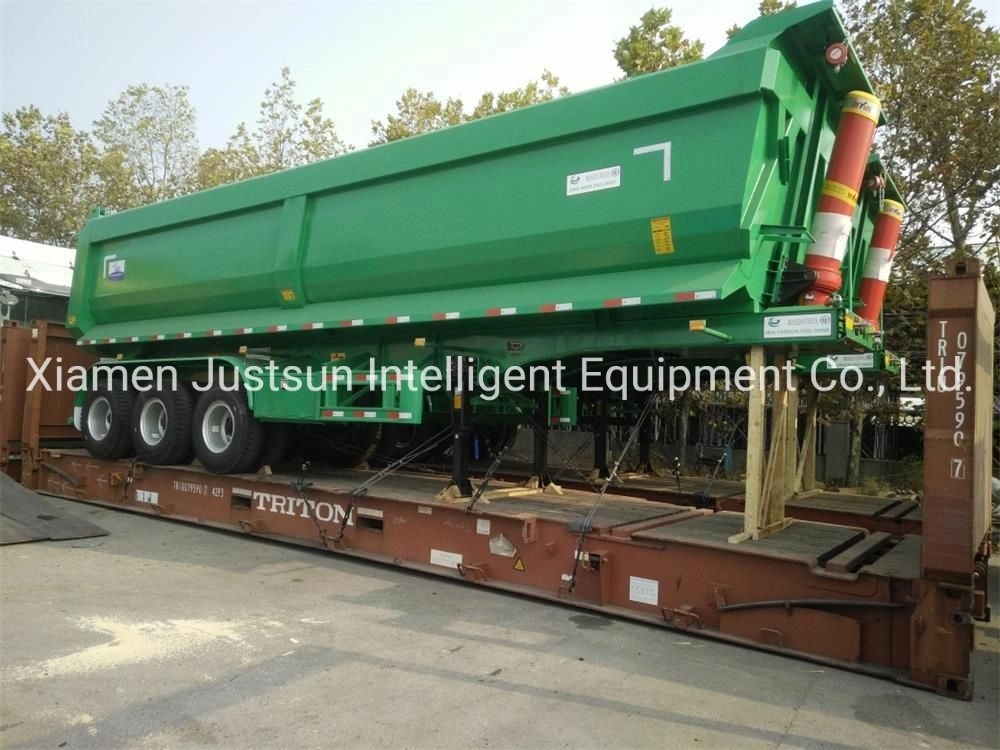
Dump semi trailers can be expensive, and budgeting properly is key to making a smart investment. Here are a few tips for managing the cost:
If paying for a dump semi trailer upfront is not feasible, many dealers offer financing plans. This allows you to spread the cost over time and manage your cash flow more effectively. Be sure to compare interest rates and loan terms before committing.
If you're on a tight budget, buying a used dump semi trailer can be a great way to save money. Many used trailers are still in excellent condition, especially if they were well-maintained. Just be sure to inspect the trailer carefully and verify the condition of key components like the hydraulic system, tires, and suspension.
When budgeting for a dump semi trailer, don't forget to account for ongoing expenses like insurance, maintenance, and repairs. These costs can add up quickly, so it's important to factor them into your decision-making process.
Regular maintenance is essential for extending the life of your dump semi trailer. Here's a basic checklist to ensure your trailer stays in top condition:
Hydraulic System: Regularly check the hydraulic fluid levels and inspect hoses for leaks.
Tires: Ensure the tires are properly inflated and inspect them for wear or damage.
Suspension: Inspect the suspension system for any signs of wear or damage.
Brakes: Check brake pads and discs regularly, especially if you're hauling heavy loads frequently.
Cleaning: Keep the trailer clean to prevent buildup of dirt and debris, which can cause wear and tear on the trailer components.
Purchasing a dump semi trailer is a significant investment, but it can dramatically improve the efficiency and profitability of your business. By considering the type of trailer, its key features, and your specific needs, you can ensure that you make a smart and informed choice. Don't forget to budget for financing and maintenance, and choose a model that suits both your short-term and long-term goals.
1. What is the typical lifespan of a dump semi trailer?
The lifespan of a dump semi trailer can range from 10 to 20 years, depending on usage, maintenance, and the quality of the materials used in its construction.
2. Can I use a dump semi trailer for both construction and agricultural purposes?
Yes, many dump semi trailers are versatile enough to handle both construction materials like gravel and agricultural materials such as soil and fertilizers.
3. How often should I service my dump semi trailer?
It's recommended to service your dump semi trailer every 6 months or after every 5,000 to 10,000 miles, depending on usage. Regular inspections can prevent costly repairs in the future.