Telephone/WhatsApp: +86-13950097655 E-mail: eric@justsuntrucks.com
Please Choose Your Language

- All
- Product Name
- Product Keyword
- Product Model
- Product Summary
- Product Description
- Multi Field Search
Views: 0 Author: Site Editor Publish Time: 2026-07-29 Origin: Site
Axle misalignment is never just a simple maintenance chore. It acts as a direct threat to fleet profit margins. Misaligned wheels cause accelerated tire wear and significantly decrease fuel economy. Fleet managers cannot afford to ignore this hidden drain on operational resources.
Modern heavy-duty maintenance has changed drastically over the last decade. We have moved far beyond rudimentary tape-measure methods. Today, precision laser tools dictate the industry standard. This technological shift allows technicians to measure tolerances down to fractions of a millimeter. You need a reliable, evidence-based approach to protect your bottom line.
This guide provides strict evaluation criteria for choosing the correct alignment method. We explore various tools and assess their return on investment. You will also learn a baseline step-by-step framework. This framework guarantees you execute the job correctly on any commercial semi trailer. Master these practices to keep your fleet rolling efficiently.
Precision alignment directly impacts operational ROI by reducing tire scrub and improving fuel efficiency.
The choice between manual tram gauges and laser alignment tools depends on fleet size, bay availability, and technician expertise.
Accurate alignment is impossible if suspension components (bushings, tie rods) are compromised; pre-inspection is mandatory.
In-house alignment requires strict environmental controls (level floors) to ensure data validity.
Improper axle tracking destroys fleet profitability silently. Commercial vehicles travel tens of thousands of miles annually. Even a marginal deviation in axle alignment multiplies into severe financial losses. We must examine the specific areas where misalignment harms the business.
Tires represent a massive operational expense for any fleet. Misaligned axles drag tires sideways down the highway. We call this phenomenon tire scrub. Scrubbing strips rubber off the tread blocks at an alarming rate. It produces irregular wear patterns like cupping and feathering. Dual tire setups suffer uneven load distribution under these conditions. Super-single tires face even higher risks. A single ruined super-single tire costs hundreds of dollars to replace prematurely.
Rolling resistance directly dictates fuel consumption. Misalignment causes semi trailers to dog-track. Dog-tracking means the rear section travels at an offset angle compared to the tractor. This creates a massive aerodynamic drag penalty. The tractor must burn excess fuel to overcome this continuous lateral friction. Fleets operating on thin margins quickly lose their profitability to this wasted diesel.
Lateral stress does not only destroy tires. It sends harsh vibrations throughout the entire chassis. Suspension parts endure constant, unnatural torque. Wheel bearings overheat and fail prematurely. Commercial vehicle frames twist under the persistent diagonal load. Over time, this stress cracks structural welds. You end up paying for complex mechanical repairs instead of simple maintenance.
Vehicle pull causes severe driver fatigue. Drivers must constantly fight the steering wheel to keep the rig straight. Exhausted drivers make mistakes. Additionally, DOT inspectors actively look for irregular tire wear. Uneven tread depth often triggers a deeper mechanical inspection. A red-tagged vehicle sitting at a weigh station earns zero revenue.
Alignment Issues and Financial Impacts Chart
Misalignment Consequence | Primary Impact Area | Severity Level |
|---|---|---|
Tire Cupping/Feathering | Tread Life & Replacement Budget | High |
Dog-Tracking | Aerodynamic Drag & Fuel Burn | High |
Bushing/Bearing Wear | Suspension Component Integrity | Medium |
Steering Pull | Driver Fatigue & DOT Compliance | Critical |
Choosing the correct equipment ensures accurate results. Different shops require different solutions based on volume and budget. We will evaluate the three most common approaches used today.
Many smaller shops still rely on manual tram gauges. These long metal bars feature adjustable pointers. Technicians extend the bar between the kingpin and the axle spindles to check distances.
Pros: Tram gauges offer a very low barrier to entry. They remain highly cost-effective for small owner-operators. You do not need expensive software to use them.
Cons: This method remains highly prone to human error. Variations in how a technician holds the gauge skew the data. It requires two technicians to perform accurately. The overall process consumes too much valuable bay time.
Large commercial fleets now mandate laser alignment systems. These digital tools mount directly to the axle hubs. They shoot a precise laser beam to a central target.
Pros: Lasers deliver exceptional repeatability. They allow for true single-user operation. Digital readouts completely eliminate manual measurement variance. You get perfect data every single time.
Cons: They demand a higher upfront capital expenditure. Software updates cost money. The sensors require routine factory calibration to maintain their precision.
Some mechanics still attempt to use basic tape measures. We strongly advise against this practice. Basic tape measures lack reliability for commercial applications. A forty-foot steel tape sags heavily in the middle. Tape lines also stretch over time. Finding a consistent anchor point on a worn kingpin proves impossible. DIY tape methods usually result in false adjustments and ruined tires.
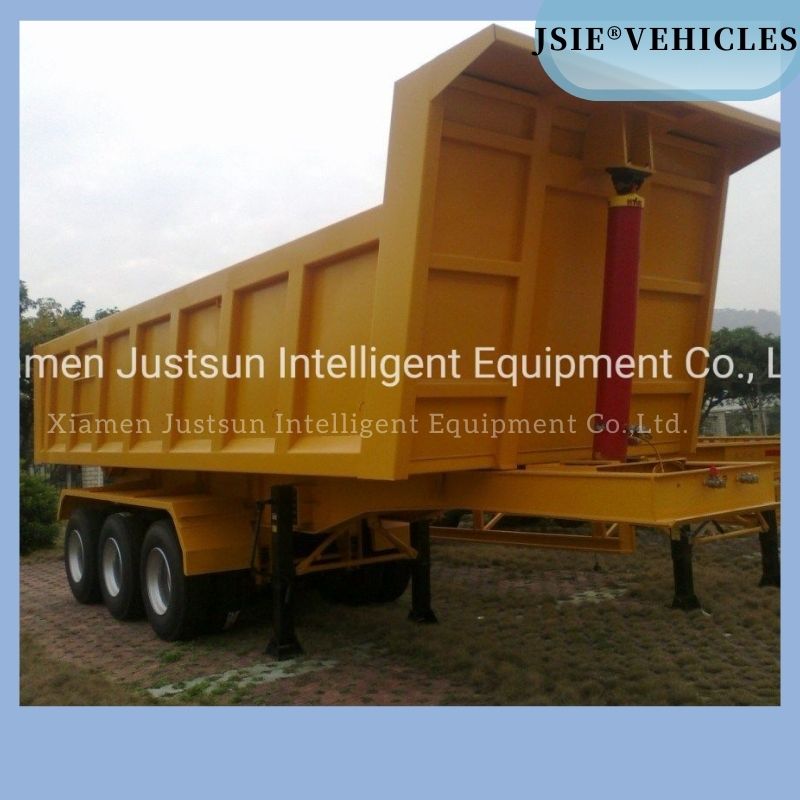
You must follow a strict, standardized procedure to true the suspension. Skipping steps compromises the final measurement. This section details the professional workflow for servicing a commercial semi-trailer.
Proper preparation dictates the success of the entire job. Do not touch an adjustment bolt until you complete this phase.
Verify the vehicle is parked on a certified zero-grade, flat surface. Sloped floors invalidate all geometric measurements instantly.
Chock the front tires securely. Release the parking brakes to relieve any suspension bind. Bound brakes hold the axles in a twisted state.
Perform a comprehensive visual inspection. Look for worn trailing arm bushings. Check for loose U-bolts. Examine the equalizers for cracks.
Never attempt to align a damaged suspension. Aligning broken parts yields completely false data. You must replace compromised components first.
The front drive axle serves as the foundation for the entire vehicle. You must true it perfectly relative to the kingpin.
Isolate the kingpin dead center. Use a specialized kingpin extension tool. This tool drops a plumb line or mounts a laser target exactly in the middle.
Measure the exact distance from the kingpin to the spindle centers. You can also measure to the machined axle hubs. Perform this on both the driver side and the curb side of the primary axle.
Calculate the measurement variance between the two sides. Compare this variance against manufacturer tolerance specs. Most OEM guidelines require tolerances between 1/8 to 1/16 of an inch.
You cannot align the rear axle until the front axle is perfect. The front axle now becomes your new baseline reference.
Measure the distance from the trued primary axle to the secondary rear axle. Check both sides to ensure the axles sit perfectly parallel.
Adjust the tracking using the specific suspension alignment mechanisms. Some systems use eccentric bolts. Others use quick-align collars. Older mechanical suspensions may require welded thrust blocks.
Torque all hardware to the specific suspension manufacturer’s requirements. Reference manuals from brands like Hendrickson or Meritor. Never guess the torque values. Perform a final verification measurement after tightening all bolts.
Fleet managers constantly debate whether to align vehicles internally or use vendors. Both options carry distinct advantages. You must evaluate your specific operational capabilities.
Managing the process internally saves money if you meet certain criteria. Consider keeping the work in-house if:
Your fleet operates ten or more commercial trailers regularly.
Your shop possesses a dedicated, perfectly level alignment bay.
You have the capital budget to invest in premium laser tools.
You desperately need to minimize transit downtime to third-party shops.
Sometimes outsourcing makes better business sense. You should leverage external professional services when:
Your fleet relies heavily on older equipment. Older units often require frequent suspension rebuilding, torching, and heavy welding.
You lack certified technicians on your payroll.
Your facility lacks guaranteed level concrete floors.
You require strict warranty-backed guarantees. Dealerships provide detailed diagnostic printouts for your compliance records.
Even experienced mechanics make errors during this procedure. A few common mistakes ruin the entire alignment geometry. Watch out for these specific hazards.
Air suspensions require specific ride height settings. Failing to set the air bags to the exact specified height ruins everything. The axle geometry changes dynamically as the air bags inflate or deflate. Always use a manual gauge to verify ride height before taking a single measurement. Set the height control valve perfectly.
We cannot overstate the importance of a flat floor. Attempting to measure a chassis on a sloped gravel yard guarantees failure. Uneven asphalt twists the frame rails slightly. This twist renders all measurements structurally invalid. A slope of just one degree throws axle readings out of spec.
Many fleet owners assume brand-new equipment arrives perfectly trued. They also assume this factory perfection lasts forever. This assumption proves costly. Overlooking initial break-in periods leads to rapid tire destruction. New components settle. Bushings compress. U-bolts stretch slightly under heavy loads. Equipment can lose factory alignment during the first 10,000 miles of service. Schedule an audit shortly after deploying new assets.
Aligning chassis axles acts as a critical cost-containment strategy. It is far more than a basic repair task. Proper tracking preserves tire life and maximizes fuel efficiency. It also prevents catastrophic wear on secondary suspension components. You protect your fleet margins by prioritizing this maintenance.
Fleet managers should take immediate action. Audit your current tire wear patterns across the yard today. Calculate the financial waste caused by uneven tread wear. Use this data to determine the ROI of upgrading your internal shop tools. If in-house upgrades remain unfeasible, schedule a fleet-wide professional audit with a certified heavy-duty vendor.
A: Industry standards recommend checking the alignment every 50,000 to 100,000 miles. You must also perform a full check immediately after a severe curb strike. Any major suspension repair or bushing replacement mandates a fresh measurement. Regular intervals prevent minor tracking deviations from ruining expensive tire sets.
A: The standard maximum deviation typically sits at 1/8 inch. Many OEM guidelines demand even tighter tolerances, pushing closer to 1/16 inch for newer setups. Anything exceeding 1/8 inch variance between the axle ends requires immediate mechanical adjustment to prevent dog-tracking.
A: Yes. A misaligned rear axle forces the chassis to dog-track sideways. This lateral drag translates directly through the fifth wheel into the tractor frame. The steering axle must compensate for the diagonal push. Consequently, the driver feels a constant, heavy pull on the steering wheel.