Telephone/WhatsApp: +86-13950097655 E-mail: eric@justsuntrucks.com
Please Choose Your Language

- All
- Product Name
- Product Keyword
- Product Model
- Product Summary
- Product Description
- Multi Field Search
Views: 0 Author: Site Editor Publish Time: 2026-07-29 Origin: Site
Specifying a new build or buying used forces a critical choice. You must choose between the absolute durability of a traditional spring ride and the advanced cargo protection of an air ride. This single decision shapes your daily operations. It directly impacts your upfront capital expenditure. It also alters long-term maintenance liabilities, driver retention rates, and freight eligibility.
Making the wrong choice can cost fleets thousands in structural damage. Alternatively, it might cost you lucrative freight contracts. You need a clear understanding of both systems. This article provides a skeptical, evidence-based evaluation framework. We strip away the marketing jargon. We help fleet managers and owner-operators determine if the financial return of air suspension justifies its mechanical complexity for their specific operation.
By the end, you will understand exactly how to match suspension types to your cargo, routes, and maintenance capabilities.
Air suspension systems command a higher upfront cost but often offset this through reduced trailer wear, extended tire life, and premium freight eligibility.
Traditional spring suspensions remain superior for extreme heavy-haul, off-road applications, and absolute mechanical simplicity.
Pneumatic vulnerabilities—such as leveling valve failures, airline leaks, or dumped airbag scenarios—require dedicated preventative maintenance protocols that fleets must be prepared to adopt.
The decision ultimately hinges on freight type, driver retention goals, and trailer lifecycle expectations rather than a universal "best" option.
Traditional spring ride suspensions rely on stacked steel leaf springs. They absorb road shock through sheer mechanical friction. As the trailer hits a bump, the steel plates bend and rub against one another. This friction dampens the impact.
Spring suspensions represent the low-maintenance, high-durability baseline in trucking. They require very little upkeep. You rarely have to worry about sudden catastrophic failures. However, this simplicity comes with a harsh reality. Leaf springs transfer road shock directly to the chassis. They also transfer it to the cargo. This effect amplifies aggressively when you run empty or lightly loaded. Without substantial weight to compress the springs, an empty trailer bounces violently across uneven pavement.
Air suspension replaces thick steel plates with flexible rubber air springs, commonly called bags. The system works dynamically. It requires several interconnected components to function correctly. A standard air ride setup includes the following core elements:
Air Springs (Bags): Durable rubber cylinders filled with pressurized air to support the load.
Shock Absorbers: Hydraulic dampeners control the rebound of the air bags.
Trailing Arms: Heavy steel beams connect the axle to the trailer frame.
Air Supply Systems: The tractor compressor feeds air through lines to a dedicated trailer reservoir.
Height Control Valves: Mechanical valves monitor frame height and add or exhaust air as needed.
These components work together to isolate the trailer from road vibrations. They create a floating effect over the axles.
The primary advantage of air systems is dynamic load leveling. They provide superior shock isolation. They adjust automatically as you load or unload freight. However, you trade mechanical simplicity for pneumatic complexity. You must now manage air lines, valves, and compressors. If a steel spring breaks, you can often limp to a shop. If an air bag blows, your trailer drops immediately. You must carefully weigh this operational trade-off.
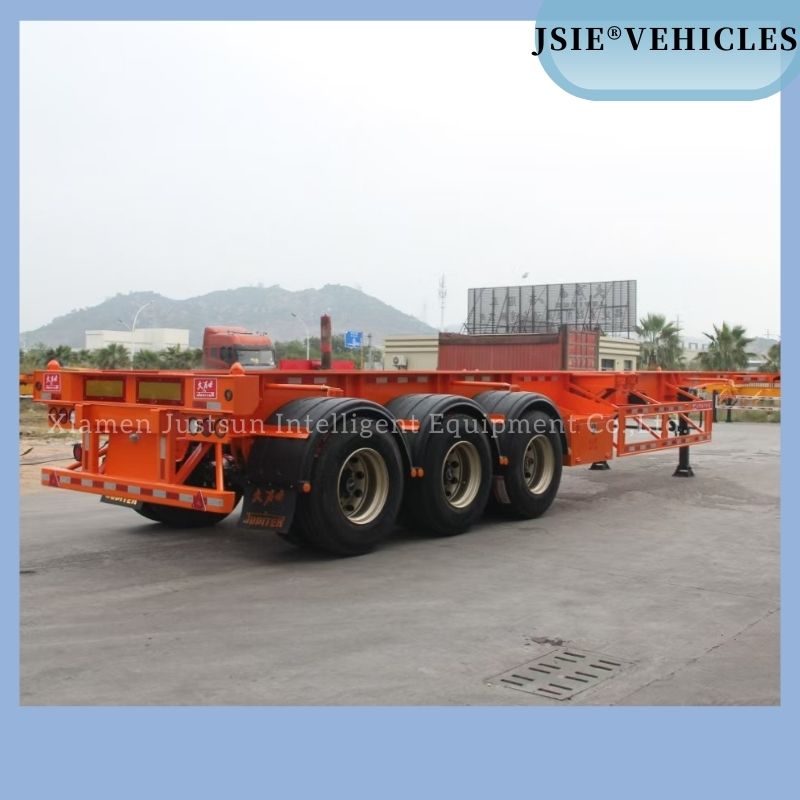
Certain cargo types strictly dictate your suspension choice. Highly sensitive freight requires maximum shock absorption. This includes electronics, pharmaceuticals, large glass panels, and precision machinery. The intense vibrations from a spring suspension can easily shatter glass or misalign calibrated equipment.
Because of this risk, many shippers mandate pneumatic systems. They will explicitly reject a semi trailer equipped with a spring ride. If you plan to haul high-value, fragile loads, air suspension is not an option. It is a strict prerequisite for entering those freight markets.
Pneumatic systems protect more than just the cargo inside. They actively preserve the trailer itself. High-frequency vibration acts as a silent killer for commercial equipment. Over time, relentless bouncing destroys trailer lighting systems. It fatigues rear door hinges.
For refrigerated units (reefers), excessive vibration damages sensitive cooling compressors. Furthermore, constant road shock creates micro-cracks in structural welds. An air system drastically reduces this high-frequency vibration. It protects your equipment from premature structural fatigue. This extends the usable lifespan of your assets.
We must evaluate how trailer suspension impacts the tractor's ride quality. Trailer bounce transfers directly through the kingpin into the fifth wheel. The driver feels every harsh jolt. Over a long highway haul, this transferred vibration accelerates driver fatigue.
You should not view driver comfort as a mere luxury. It acts as a highly quantifiable retention metric. Fleets utilizing air ride experience lower driver turnover. Drivers prefer equipment that does not beat them up physically. Reducing fatigue also improves overall highway safety.
Secondary market data reveals a clear trend. Used trailers with pneumatic setups generally sell much faster. They retain a higher residual value compared to spring-equipped equivalents. Buyers prefer the versatility. They know they can haul a wider variety of freight. While you pay more upfront, you typically recoup a significant portion of that investment during resale. High market liquidity makes fleet turnover much easier to manage.
Specifying an air setup on a new build introduces a noticeable price premium. You can expect to pay anywhere from $1,500 to $3,000 more per trailer. This initial capital expenditure deters some budget-conscious buyers. You must calculate whether your freight rates will justify this upfront cost over the first few years of operation.
We must compare ongoing maintenance liabilities. Leaf springs offer predictable, exceptionally low-cost maintenance. They rarely fail unexpectedly. Conversely, pneumatic systems introduce recurring operational expenses. You will eventually need to replace worn air bags. Shock absorbers wear out and require swapping. Leveling valves corrode and fail. You must budget for these inevitable component replacements. If you ignore them, the system will fail on the road.
Tire wear often serves as the hidden equalizer in this financial debate. A bouncing trailer destroys tires quickly. When leaf springs allow the wheels to hop off the pavement, the tires scrape against the asphalt upon landing. This causes irregular wear patterns.
You will frequently see cupping or flat-spotting on spring setups. Air systems maintain far more consistent tire-to-road contact. They eliminate the bouncing effect. This consistent contact extends tire life significantly. You buy fewer tires over the lifespan of the equipment.
Pneumatic systems offer marginal, yet real, aerodynamic benefits. Proper ride-height management keeps the trailer perfectly level. A level trailer creates less aerodynamic drag than one sitting at an awkward angle. While this fuel efficiency gain seems minor on a single trip, it compounds. Over hundreds of thousands of highway miles, consistent leveling translates into measurable fuel savings.
Suspension Economics Comparison
Factor | Mechanical Spring Ride | Pneumatic Air Suspension |
|---|---|---|
Initial Purchase Price | Lower Baseline Cost | Higher Premium Price |
Routine Maintenance | Minimal / Low Cost | Moderate / Needs Regular Checks |
Tire Longevity | Prone to Irregular Wear | Excellent / Consistent Wear |
Resale Liquidity | Moderate | High / Fast Turnover |
You face severe operational risks if you mishandle an air system. The most critical danger involves driving with deflated or "dumped" air bags. Sometimes drivers forget to reinflate the system after loading. Sometimes a major leak empties the reservoir. Driving in this state leads to immediate, catastrophic damage. The suspension bottoms out hard against the frame. This action bends axles. It snaps shock mounts. It can warp the entire trailer frame. You must train drivers to verify inflation before moving.
You must prepare for specific maintenance liabilities. These systems introduce several common failure points. During winter, moisture inside the air lines can freeze. This blocks the air supply and drops the suspension. Road debris can kick up and puncture the rubber air springs. Furthermore, the mechanical height control valves (HCV) often malfunction due to road grime or internal corrosion. When the HCV fails, it either over-inflates the bags or dumps the air entirely.
Modern fleets increasingly adopt electronically controlled air suspensions (ECAS). These automated systems replace traditional mechanical valves with electronic sensors. They offer immense benefits. They provide instantaneous, automatic ride-height adjustments. They respond quickly to shifting load weights.
However, automation introduces a new challenge. When an ECAS fails, a standard mechanic cannot fix it with a wrench. Troubleshooting requires specialized diagnostic software. You must plug a computer into the system to read fault codes. This reliance on software can delay repairs in remote areas.
Adopting pneumatic equipment requires a cultural shift within your maintenance shop. Mechanics cannot simply perform visual inspections anymore. They must proactively soap-test air lines to find microscopic leaks. They must monitor trailing arm bushings for excessive wear. They need to calibrate ride heights regularly using precise measurements. If your shop lacks the discipline for rigorous preventative maintenance, air systems will cost you heavily in emergency road calls.
You should stick to the mechanical baseline under specific conditions. Evaluate your primary operating environment carefully.
Harsh Environments: You operate primarily in off-road, logging, agricultural, or extreme heavy-haul conditions. Mud and rocks quickly destroy pneumatic valves.
Stationary Loading: The equipment experiences prolonged periods of localized, stationary loading. Drop-and-hook operations often leave trailers sitting without a tractor air supply. A heavy-duty semi-trailer on springs will not slowly sag over time.
Durable Freight: You haul highly durable materials like scrap metal, aggregate, or raw timber. Capital preservation stands as your absolute highest priority.
You should invest in the premium pneumatic setup if your business model aligns with long-term efficiency and versatility.
Sensitive Cargo: You haul fragile, high-value, or Less-Than-Truckload (LTL) freight. Shippers demand the protection.
Highway Routes: You operate specialized semi trailers predominantly on long-haul, paved highway routes.
Long-term Strategy: Driver retention, tractor protection, and high secondary resale value factor heavily into your fleet's long-term financial modeling.
Air suspension represents an investment in cargo versatility and equipment longevity. It acts as much more than just a simple ride upgrade. While it demands a higher upfront purchase price, it protects your assets. It shields the chassis from weld-breaking vibrations and prevents irregular tire wear.
Before you commit to a pneumatic system, you must audit your current freight contracts. Assess your shop's preventative maintenance capabilities. If your mechanics can handle proactive leak checks and valve calibrations, the investment makes sense. We highly advise buyers to consult directly with manufacturers. Use a comprehensive lifecycle cost calculator to run your specific fleet mileage and maintenance numbers. This ensures your final decision aligns perfectly with your operational reality.
A: No, you should never drive normally with dumped suspension. Doing so causes severe, immediate damage to the frame, axles, and shock mounts due to a complete lack of shock absorption. If an emergency drop occurs on the highway, you may crawl at extremely low speeds merely to reach a safe shoulder.
A: Air bags generally last between 5 to 10 years, or roughly 500,000 to 750,000 miles. Their lifespan depends heavily on the operating environment. Highway use extends their life, while harsh off-road conditions, chemical exposure, or road debris can cause premature failure.
A: Yes, most modern systems adjust automatically. Traditional setups use mechanical height control valves that add or release air based on the load's weight to maintain a level frame. Newer units utilize Electronically Controlled Air Suspension (ECAS) for faster, sensor-driven adjustments.
A: While mechanically feasible, it rarely makes financial sense. Retrofitting requires cutting the frame, welding new brackets, and installing complex plumbing and air tanks. The high labor and parts cost usually makes buying a purpose-built trailer much more viable.