Telephone/WhatsApp: +86-13950097655 E-mail: eric@justsuntrucks.com
Please Choose Your Language

- All
- Product Name
- Product Keyword
- Product Model
- Product Summary
- Product Description
- Multi Field Search
Views: 0 Author: Site Editor Publish Time: 2026-08-18 Origin: Site
Fleet managers and owner-operators operate under immense, ongoing pressure today. Volatile diesel prices and consistently shrinking profit margins squeeze the transportation industry from every angle. To combat these harsh economic realities, professionals frequently turn to advanced aerodynamic devices. Side skirts currently stand out as a primary, industry-standard response to reduce drag. However, many buyers remain highly skeptical of these additions. Do the aerodynamic benefits truly outweigh the steep upfront costs, frustrating installation downtime, and potential maintenance headaches? It is a valid concern demanding honest, transparent answers. This article provides a strictly math-based evaluation of semi trailer skirting. We will explore the proven fuel reductions, hidden operational risks, and strict regulatory compliance factors. Read on to determine if these panels belong on your fleet.
Proven Fuel Reduction: EPA SmartWay-verified skirts typically yield a 4% to 5% fuel savings at sustained highway speeds (55+ mph).
Speed Dependency: Savings drop significantly for local, low-speed, or heavily stop-and-go routes.
ROI Timeline: For long-haul operations, the break-even point on a standard semi trailer installation is often between 8 to 14 months.
Maintenance Realities: Flexibility is critical; rigid materials suffer higher damage rates from dock approaches, curbs, and winter snowpack.
Compliance: California’s CARB regulations make aerodynamic devices mandatory for 53-foot box trailers operating in the state, shifting skirts from an optional upgrade to a compliance necessity.
Air sweeping under a commercial vehicle creates a massive efficiency issue. It forms a high-friction, low-pressure drag vortex beneath the floor. This turbulent wind traps itself among the heavy axles, brake chambers, and suspension components. Consequently, the heavy-duty diesel engine must burn significantly more fuel just to maintain forward velocity. This undercarriage drag robs your engine of valuable horsepower continuously.
Side panels solve this problem by physically guiding turbulent air. They push the ambient wind smoothly along the exterior sides of the unit. The air cannot roll underneath and get trapped. By streamlining the bottom profile, you drastically reduce the physical resistance pushing against the vehicle. Smooth airflow translates directly into less mechanical engine strain.
However, aerodynamic drag increases exponentially alongside speed. Skirting provides virtually zero measurable benefit at low speeds. If your daily routes keep you strictly under 45 mph, you will notice negligible returns. You need sustained highway speeds to force the air dynamics into action. Route profiling ultimately dictates whether this aerodynamic technology makes sense for your operation.
The EPA SmartWay program categorizes these aerodynamic technologies strictly. Standard verified technologies generally yield 1% to 4% in measurable fuel savings. Advanced verified skirts push those numbers higher, delivering 5% or more. These verified testing levels give buyers a highly reliable baseline for expected performance. You can trust these numbers for internal projections.
We must translate these abstract percentages into tangible MPG figures. Imagine a standard truck currently averaging 6.5 MPG. A 4.6% improvement pushes that baseline efficiency up to roughly 6.8 MPG. It sounds minimal on paper, but the aggregate financial savings accumulate incredibly fast. Fuel economy scales beautifully across high mileage.
Let us look at a standard annual estimate. Consider a single semi-trailer running 100,000 miles a year. We will assume an average diesel cost of $4.00 per gallon.
At 6.5 MPG, the truck burns 15,384 gallons annually, costing $61,536.
At 6.8 MPG, the truck burns 14,705 gallons annually, costing $58,820.
This yields an annual savings of $2,716 per unit.
We can safely project anywhere from $1,500 to $2,500 in yearly savings. Variable factors always influence these real-world results. Payload weight changes rolling resistance daily. Tractor fairings dictate how air hits the nose in the first place. Driver habits, like excessive idling or aggressive acceleration, will also alter your final efficiency metrics.
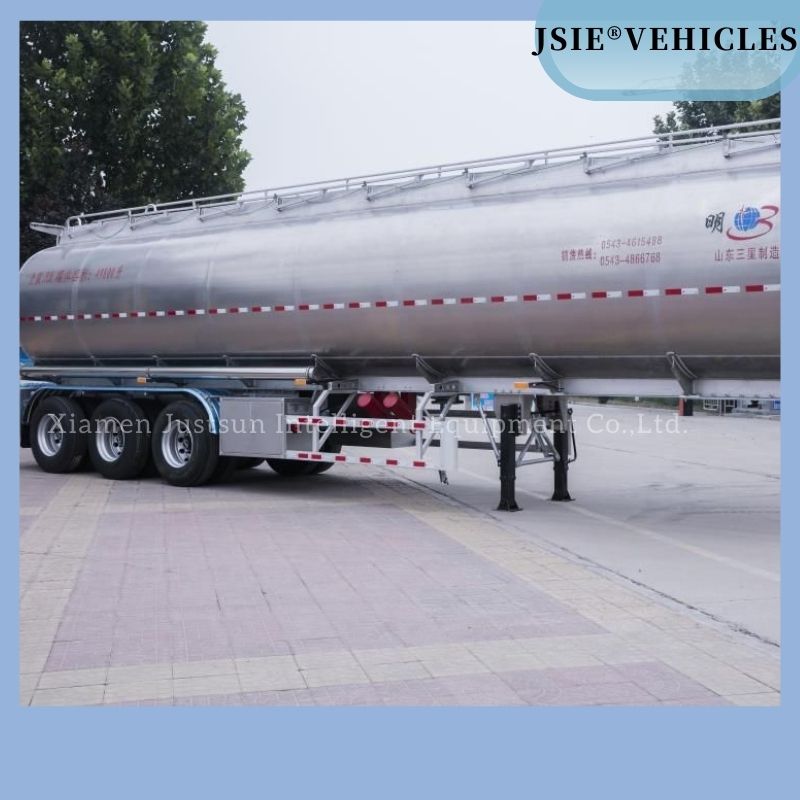
Fleets consistently complain about dock and curb strikes. Busy distribution centers force drivers into incredibly tight yard maneuvers. Raised concrete curbs easily scrape or shatter rigid side panels during sharp turns. Damage from daily operations remains the most common obstacle to long-term profitability. You must account for human error.
Winter operations introduce severe snow and ice challenges. Heavy slush buildup packs tightly against the interior of the aero panels. This dense frozen weight drags the skirts downward aggressively. It can severely damage mounting brackets over time. It can also dangerously reduce the required ground clearance, leading to bottom-outs.
Poorly designed skirts can block vital access points. Drivers must inspect undercarriage components during daily pre-trip checks. If panels obstruct brakes, airlines, or suspension parts, safety compliance drops immediately. Mechanics also struggle immensely during routine servicing. Removing panels just to reach an air valve ruins shop productivity.
These operational hazards shape the final verdict on durability. The absolute lowest-priced skirt rarely survives a demanding 5-year lifecycle. Investing in cheap, brittle materials usually guarantees expensive, recurring replacements. Buying solely based on upfront price is a dangerous strategy.
You must frame the initial investment accurately. Typical upfront costs range from $700 to $1,500 per unit. This price includes both the physical hardware and the necessary installation labor. Premium flexible materials push you toward the higher end of that spectrum. Shop labor rates will also affect the final invoice.
You can calculate the break-even point using a straightforward formula. You divide the total upfront cost by the expected monthly fuel savings in dollars. The result gives you the exact months needed to hit your ROI. For example, a $1,200 installation saving $150 monthly pays for itself in eight months.
Over-the-road (OTR) fleets experience highly favorable returns. Units averaging 80,000 or more highway miles hit ROI rapidly. Sustained high speeds ensure maximum fuel conservation. Long-haul operators usually consider skirting a mandatory investment due to this fast payback period.
Conversely, local delivery routes face a bleak financial picture. These semi trailers navigate low-speed urban streets constantly. They rarely reach the 45 mph aerodynamic threshold. They may never recoup the initial investment before the equipment retires or suffers fatal yard damage.
Regulatory pressure actively forces the widespread adoption of aerodynamic devices. The California Air Resources Board (CARB) enforces strict Tractor-Trailer Greenhouse Gas (GHG) regulations. This aggressive legal framework shifts aero panels from an optional upgrade to a legal necessity. State regulators show zero leniency regarding environmental mandates.
The mandate affects specific commercial configurations directly. All 53-foot dry vans and refrigerated units entering California must comply. They must utilize EPA SmartWay-verified aerodynamic technologies continuously. You cannot legally dispatch a non-compliant 53-foot box unit into the state without risking severe consequences.
The risk of non-compliance carries heavy financial penalties. State inspectors actively issue costly fines for missing or unverified aero devices. National fleets increasingly treat skirt installations as a mandatory insurance policy. Buying skirts prevents these unpredictable citations and keeps freight moving smoothly across state lines.
Material flexibility determines long-term operational success. Thermoplastic Polyolefin (TPO) and advanced composites perform best in harsh conditions. They bend over sudden obstacles and snap back into their original shape without shattering. Avoid rigid fiberglass or metal options. They will permanently dent, crack, or rust after minor impacts.
Buyers must also evaluate weight penalties carefully. Most systems add roughly 150 to 200 pounds to the vehicle. Lighter is always better for maximizing payload capacity. However, you must ensure the weight reduction does not sacrifice essential structural integrity. Flimsy skirts flutter violently at highway speeds.
Mounting hardware dictates how well the system survives impacts. Evaluate the strut systems thoroughly. Struts must absorb shock effectively. They also need to resist corrosive road salt. Always look for galvanized or stainless steel brackets to prevent rust degradation.
Follow these steps when procuring aerodynamic devices:
Confirm the EPA SmartWay verification level.
Request physical material samples to test flexibility.
Review the bracket design for ground clearance.
Check if the manufacturer sells individual replacement panels.
You never want to buy a completely new system just because a forklift cracked one specific module. Replaceable sections save massive amounts of money over time.
Feature Category | Ideal Specification | Common Pitfall to Avoid |
|---|---|---|
Material Composition | Thermoplastic Polyolefin (TPO) | Rigid fiberglass that shatters on impact |
System Weight | Under 160 lbs total | Heavy metal assemblies reducing payload |
Mounting Hardware | Galvanized or stainless steel struts | Standard painted steel prone to winter rust |
Warranty & Parts | Modular panels available individually | Forced full-system replacements |
Aerodynamic skirting proves highly effective at reducing diesel consumption. These panels optimize airflow and slash undercarriage drag drastically. However, they only generate positive financial returns if the equipment operates primarily at sustained highway speeds. Route analysis is mandatory before purchase.
Material choice remains your ultimate differentiating factor. Flexible, resilient panels separate a highly profitable upgrade from a frustrating maintenance expense. Rigid materials will destroy your expected gains through continuous yard damage and repair bills.
Promptly audit your fleet's average highway mileage. Review your current route maps closely. Ensure your equipment runs fast enough, often enough, to justify the upfront investment. Only then should you request quotes for SmartWay-verified panels.
A: Skirts are primarily designed for dry vans and reefers. Flatbeds possess completely different aerodynamic profiles. While a few customized aero devices do exist for them, standard skirts are rarely used. Unique side-loading operational needs and strap clearance requirements make them highly impractical for open-deck freight.
A: Installation requires realistic scheduling. It typically takes two to four hours per unit. A standard two-person mechanic team can handle the job efficiently. Factoring this specific timeframe helps fleet managers calculate exact shop downtime and accurate labor costs.
A: Minor bends in advanced composite materials can sometimes be reshaped using localized heat. However, severe tears, heavy gouges, or cracked mounting hardware generally require swapping out the modular panel entirely. Always purchase systems offering individual replacement parts to minimize repair expenses.
A: Drivers often worry about severe crosswinds. While skirts do add significant lateral surface area, aerodynamic testing generally shows they stabilize the vehicle. They prevent sudden, violent crosswinds from catching the undercarriage drag points, keeping the rig firmly planted on the highway.