Telephone/WhatsApp: +86-13950097655 E-mail: eric@justsuntrucks.com
Please Choose Your Language

- All
- Product Name
- Product Keyword
- Product Model
- Product Summary
- Product Description
- Multi Field Search
Views: 0 Author: Site Editor Publish Time: 2026-08-24 Origin: Site
Loading freight securely looks simple on the surface. Yet, mastering this process requires serious precision and physics. Improper loading directly impacts fleet profitability across operations. It causes severe DOT fines, complex cargo damage claims, and accelerated vehicle wear. Moving freight efficiently requires strict adherence to federal weight limits at all times. You also need a firm grasp of physics-based load distribution principles. Every improperly loaded vehicle becomes a major liability on the highway. We designed this guide to fix these operational gaps quickly. It provides logistics managers and fleet operators an evidence-based framework for daily operations. We will explore how to standardize loading procedures across your entire organization. You will learn to mitigate liability effectively during transit. Finally, we will help you select reliable securement solutions. Implementing these practices protects your drivers. It also builds trust among your shipping partners. A well-planned load guarantees smoother transit times. It removes the stress of unpredictable weigh station stops.
Federal law strictly regulates axle weights (typically 12,000 lbs steer, 34,000 lbs drive, 34,000 lbs trailer) alongside the 80,000 lbs gross limit.
Proper weight distribution dictates placing the heaviest cargo at the bottom and centering it to maintain a low center of gravity.
Relying on substandard blocking and bracing equipment increases rollover risks and cargo claim frequencies.
Standardizing a pre-load inspection and load-planning SOP is critical for enterprise fleet compliance and scalability.
Transporting goods involves heavy federal oversight on public highways. Weigh stations monitor axle limits rigorously across different states. Overweight violations trigger immediate fines for the carrier. Fines vary drastically by state jurisdiction. However, they easily reach thousands of dollars per incident. Delays cost you valuable transit hours. Inspectors will issue out-of-service (OOS) violations for severe weight imbalances. An OOS order strands your driver at the scale house. It disrupts the entire logistics schedule. You lose revenue for every hour the truck sits idle. We highly recommend auditing your loading practices regularly. This proactive approach prevents costly compliance failures.
Freight shifting poses another massive financial risk to your business. Unsecured pallets slide violently during sudden braking. They crash into trailer walls or other freight. Damaged products lead to expensive and tedious cargo claims. Your clients expect pristine deliveries upon arrival. Frequent damage ruins important business relationships quickly. It also drives up your fleet insurance premiums over time. Carriers eventually face unmanageable deductibles. You must prioritize proper securement to avoid these financial pitfalls.
Physics dictates how weight affects vehicle mechanics. Uneven loads strain vehicle components severely over time. Poor weight distribution pushes suspensions beyond safe operating limits. Tires bear unequal friction against the highway pavement. This uneven friction causes premature tread wear. Axles suffer structural fatigue under imbalanced stress. You face rising maintenance expenses across your fleet. You must replace parts far earlier than expected. Consistent overloading drastically reduces the operational lifespan of your mechanical assets. Proper distribution protects your hardware and your budget.
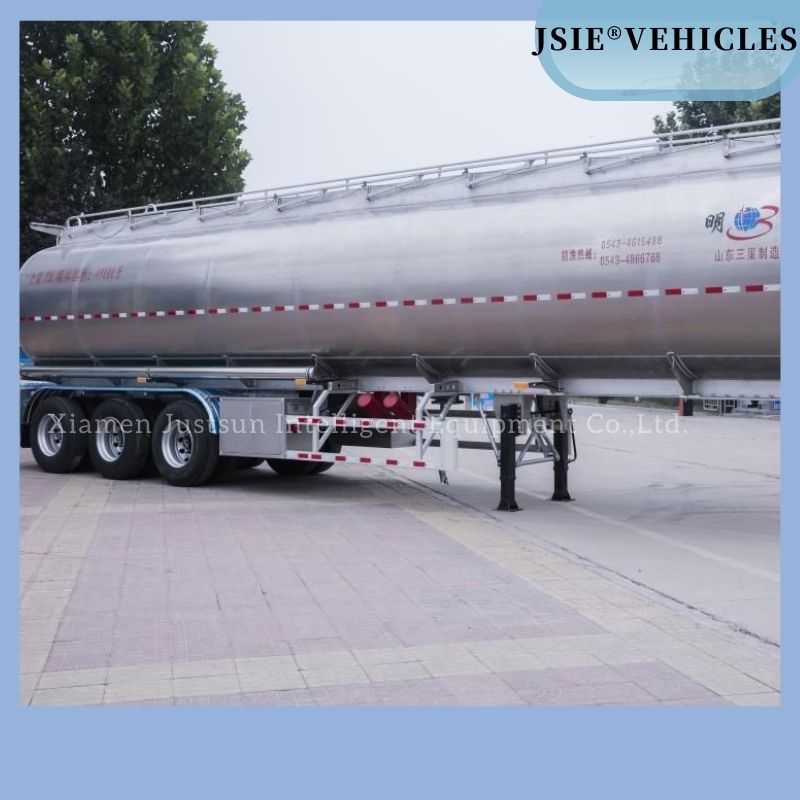
We must understand the strict 80,000 lbs gross vehicle limit. Federal law dictates how this weight distributes across the truck. You cannot randomly place 80,000 lbs anywhere inside the box. The steer axle handles a maximum of 12,000 lbs. The drive axles support up to 34,000 lbs safely. The trailer axles also carry up to 34,000 lbs. Exceeding any individual axle limit triggers an immediate violation. You could be perfectly legal on gross weight. Yet, you might fail the localized axle weight check. We outlined these strict parameters below.
Axle Type | Maximum Legal Weight (lbs) | Location on Combination |
|---|---|---|
Steer Axle | 12,000 | Front of the tractor |
Drive Axles (Tandem) | 34,000 | Rear of the tractor |
Trailer Axles (Tandem) | 34,000 | Rear section of the trailer |
The Department of Transportation uses a specific structural formula. It calculates the maximum legal weight based on axle spacing. Shorter vehicles concentrate weight over a smaller bridge area. They cause more stress on aging highway infrastructure. Longer spacing disperses this weight safely across more surface area. You must account for axle distance during route planning. Certain bridges impose strict local capacity limits. Ignorance of these local codes leads to severe municipal penalties. Fleet managers must map routes carefully to avoid weak infrastructure.
Cargo placement directly dictates vehicle stability on the road. You must load the heaviest freight first. Place it securely on the floor. This lowers the overall center of gravity significantly. A low center of gravity prevents catastrophic rollovers. High-speed turns create immense centrifugal force against the trailer. Top-heavy loads easily tip over during evasive maneuvers. Lateral weight distribution also matters heavily for driver control. You must balance the left and right sides equally. Uneven lateral placement causes intense side-to-side trailer sway. It makes the truck dangerously unpredictable in high winds.
Before loading, you must perform a thorough physical inspection. Skipping this step invites catastrophic failures on the highway. We recommend standardizing this routine for every single dispatch.
Check the structural integrity of the floorboards. Look for rotting wood or compromised aluminum sections.
Inspect the interior side walls for bowing or structural cracks.
Verify the strength of securement anchor points. Ensure D-rings and E-tracks remain firmly attached to the frame.
Sweep the deck thoroughly. Debris reduces vital friction between wooden pallets and the floor.
Assess the roof for hidden leaks. Water damage destroys sensitive cargo during heavy rainstorms.
Warehouse teams utilize specific pallet patterns for a reason. They maximize space utilization and maintain stability. Alternating patterns create a staggered geometric layout. They prevent pallets from leaning uniformly in one direction. Interlocking patterns bind individual units together tightly. This method resembles traditional bricklaying. It stops independent pallet movement during transit. You must distribute weight evenly from the nose to the rear doors. Avoid clumping heavy items strictly in the center. Spread the mass to balance the entire deck uniformly.
Modern semi trailers feature adjustable rear axles. We call these tandem axles. Drivers slide them forward or backward after the initial loading phase. This action legally balances the axle weights across the combination. Sliding the tandems forward shifts weight toward the trailer axles. Sliding them backward shifts weight onto the tractor's drive axles. You must lock the locking pins securely after making adjustments. Drivers usually test this balance at a certified commercial scale. They adjust the slider until both axle groupings fall neatly under 34,000 lbs.
Fleets require robust securement hardware for daily operations. You must choose straps, chains, and binders carefully. They must meet stringent FMCSA cargo securement regulations. Every piece of hardware carries a defined Working Load Limit (WLL). The aggregate WLL of all tie-downs must equal at least one-half the cargo's total weight. You must select heavy-duty straps for standard boxed freight. Chains offer superior strength for heavy industrial machinery. Inspect these tools regularly for fraying or bent steel links. Retire damaged hardware immediately to prevent highway accidents.
Empty space causes unpredictable freight shifting. You must eliminate gaps between pallets actively. We call this operational practice void management. Dunnage bags inflate rapidly to fill awkward spaces. They brace pallets tightly against the side walls. Load bars snap into E-tracks to create solid physical barriers. Friction mats sit beneath heavy machinery or smooth loads. They dramatically increase floor grip. You should assess the return on investment for these tools. They drastically prevent longitudinal and lateral shifting. This translates directly to fewer damaged goods and happier clients.
Flatbeds demand distinct tie-down geometries compared to enclosed vans. Enclosed vans rely partially on walls for lateral support. A flatbed provides no such boundary for the freight. You must secure cargo from multiple opposing angles. We recommend cross-strapping for large cylindrical objects. Specialized equipment trailers use heavy chains and ratcheting binders extensively. If you operate a specialized semi trailer, you follow stricter tie-down intervals. A typical semi-trailer moving standard dry goods operates under different structural assumptions. Always match the exact securement method to the trailer type. We prepared a breakdown of effective void management solutions below.
Securement Tool | Primary Function | Best Application Scenario |
|---|---|---|
Inflatable Dunnage Bags | Fills lateral voids between pallets | Enclosed dry vans carrying fragile goods |
Aluminum Load Bars | Prevents forward or backward sliding | Securing partial loads near the rear doors |
Rubber Friction Mats | Increases floor grip significantly | Underneath heavy machinery or steel coils |
Poor planning leads to extreme weight imbalances. Let us examine the specific dangers of bad configurations.
Nose-heavy risks: Placing too much weight up front overloads the tractor's drive axles. It damages the vital fifth wheel connection. It also degrades the tractor's front suspension severely.
Tail-heavy risks: Excessive weight at the rear lifts the tractor's steer tires slightly. You lose critical steering control on wet roads. This setup causes aggressive trailer sway. It places massive structural stress on the rear tandem.
A massive gap exists between warehouse teams and truck drivers. Loaders focus entirely on warehouse efficiency and speed. Drivers bear the final legal liability at the weigh station. We must bridge this operational gap immediately. Companies should require mandatory joint training sessions. Loaders must understand strict DOT weight limits. Drivers must know exactly how to inspect the warehouse team's work before departing. Miscommunication here ruins the entire transit cycle.
Many loaders rely solely on pallet weight for stability. They assume heavy pallets will never move. They believe gravity and friction alone secure the load. This assumption violates core safety protocols drastically. Hard braking overcomes static friction almost instantly. Even a 5,000 lbs machine will slide during a sudden emergency stop. You need active mechanical bracing for every trip. Always combine friction mats with physical straps or wooden blocks. You must eliminate movement before the truck enters the highway.
Proper loading demands measurable operational discipline every single day. It requires continuous training for both loaders and drivers. You must utilize reliable equipment to secure varying loads. We covered the critical physics of proper weight distribution. We explored the absolute legal necessity of maintaining axle limits. Proper execution reduces liability and protects your assets. It guarantees smoother deliveries and stronger client trust.
We recommend auditing your current fleet securement equipment today. Discard frayed straps and permanently bent load bars. Update your internal driver training manuals immediately. Include specific chapters on tandem sliding and advanced void management. Invest strategically in commercial-grade load bracing technology. This active investment eliminates compliance bottlenecks entirely. A proactive approach protects your drivers, cargo, and corporate reputation.
A: The federal gross vehicle weight limit is 80,000 lbs. However, this includes the tractor and trailer's empty weight (tare weight). The actual cargo capacity for a 53-foot trailer typically ranges between 42,000 and 45,000 lbs. You must subtract your specific vehicle's tare weight from the 80,000 lbs limit to determine your exact maximum cargo payload.
A: You correct an overweight axle by sliding the trailer tandems. Moving the tandems forward shifts excess weight onto the trailer axles. Moving them backward transfers weight toward the tractor's drive axles. If tandem sliding fails to legally balance the load, you must return to a dock. Warehouse staff will physically rework and redistribute the freight.
A: Yes. The FMCSA mandates proper blocking and bracing to prevent forward movement during hard braking. The regulations specify a minimum number of tie-downs based on cargo length and total weight. Even inside an enclosed van, you must mechanically secure large freight. This active bracing prevents shifting, leaning, or catastrophic damage to the rear doors.