Telephone/WhatsApp: +86-13950097655 E-mail: eric@justsuntrucks.com
Please Choose Your Language

- All
- Product Name
- Product Keyword
- Product Model
- Product Summary
- Product Description
- Multi Field Search
Views: 0 Author: Site Editor Publish Time: 2026-08-27 Origin: Site
Improperly covering flatbed freight routinely results in severe cargo damage. It triggers costly insurance claims and serious Department of Transportation (DOT) compliance violations. Tarping remains one of the most physically demanding tasks for drivers everywhere. You must work quickly without compromising personal safety or load security. Drivers often rush this process during adverse weather conditions. This haste creates dangerous environments and secures loads poorly. Our purpose here is simple and highly actionable. We provide a scalable, standardized operating procedure (SOP) for tarping a semi trailer efficiently. You will learn how to select the right material for specific freight. We outline crucial risk mitigation tactics to protect both you and the physical equipment. Finally, you will discover strategic folding methods saving valuable time on the next load. Mastering this systematic process protects your freight and extends overall equipment lifespan.
Load protection begins with choosing the correct tarp style (e.g., lumber vs. steel) based on freight dimensions and DOT regulations.
Edge protection is mandatory; sharp cargo corners are the leading cause of premature tarp failure.
A systematic unrolling technique minimizes physical strain and prevents wind-related accidents.
Proper folding and storage are critical for efficiency on future loads and extending tarp lifespan.
Success starts before you ever climb onto the flatbed. You must match the equipment dimensions, drop length, and fabric weight to your specific freight. Mismatched materials create excessive aerodynamic drag. They also provide inadequate coverage against rain and road debris. Every load profile requires a distinct approach to weather protection.
Lumber tarps handle tall, boxy loads seamlessly. You typically use them for stacked wood, drywall, and palletized building materials. They feature generous 8-foot drops and integrated end flaps to cover high cargo completely. Manufacturers build them using heavy-duty 18-ounce vinyl construction. This thick material resists tearing against rough wooden edges. The substantial weight provides excellent durability for long-haul routes.
Steel tarps serve an entirely different purpose for heavy, low-profile freight. You deploy these for steel cables, heavy metal rods, and flat industrial materials. They usually feature 4-foot drops and intentionally lack end flaps. This design ensures a secure, tight fit over low cargo. Using an 8-foot lumber tarp on a 2-foot high steel load creates massive excess material. This excess fabric catches the wind easily.
Coil and smoke tarps offer highly specialized protection. Coil covers feature a unique rounded shape to secure heavy steel rolls perfectly. Smoke tarps specifically protect the front portion of the freight from road grime. They also block diesel exhaust soot from ruining sensitive cargo. You place them squarely at the front of the trailer directly behind the cab.
Implementation risks run high when drivers choose the wrong cover. Using oversized lumber tarps on low-profile steel loads creates dangerous wind "sails." These sails pull aggressively on the securing straps. They accelerate wear and tear exponentially. Properly sizing your covering material for the specific semi-trailer prevents these aerodynamic hazards.
Tarp Type | Primary Use Case | Standard Drop Length | End Flaps Included? | Material Thickness |
|---|---|---|---|---|
Lumber | Tall, boxy loads (wood, drywall) | 8 feet | Yes | 18oz Heavy-Duty Vinyl |
Steel | Low-profile loads (rods, cables) | 4 feet | No | 14oz to 18oz Vinyl |
Coil | Heavy steel rolls | Custom fitted | N/A | 18oz Heavy-Duty Vinyl |
Smoke | Front cargo protection from exhaust | N/A (Front only) | No | 14oz to 18oz Vinyl |
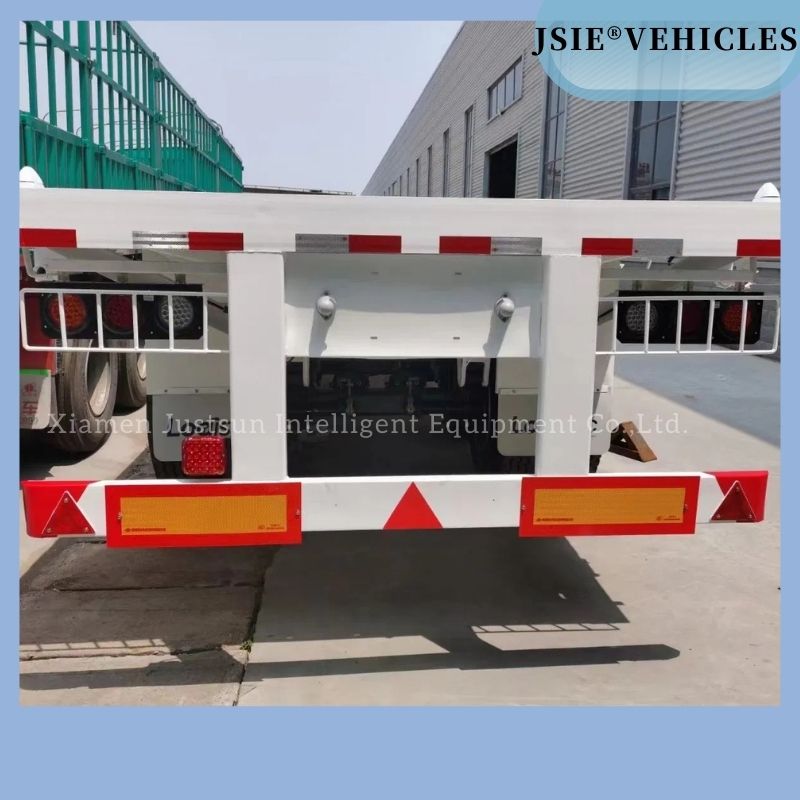
Safety always comes first in flatbed operations. You must meticulously assess weather conditions before beginning. High winds represent the highest-risk variable when deploying heavy vinyl over freight. Wind gusts easily knock drivers off tall loads. If wind speeds exceed safe thresholds, you must wait or find a sheltered loading bay.
Load leveling requires careful attention. Ensure the freight sits as evenly as possible across the deck. You should proactively fill significant structural gaps. Use appropriate dunnage to bridge these open spaces. Level surfaces prevent water from pooling heavily on top. They also stop the material from catching air underneath while driving.
Edge protection remains a non-negotiable and crucial step. Sharp cargo corners act like knives against heavy vinyl. You must apply dedicated corner protectors to all abrasive edges. Thick felt pads and cut-up moving blankets also work exceptionally well. Place these protective barriers over metal corners, wooden splinters, and sharp machinery edges.
Common Mistake: Rushing the preparation phase to hit the road faster.
Best Practice: Keep a dedicated bag of edge protectors easily accessible in your side box.
Skeptical Note: Skipping edge protection saves five minutes right now. However, it costs hundreds of dollars in repair bills later. Micro-tears quickly expand into massive structural failures at highway speeds.
Executing this process systematically saves energy and prevents accidents. Physical exhaustion leads to dangerous mistakes on the deck. Follow these standardized steps to secure semi trailers safely.
Lifting and Positioning: Safely transport the heavily folded bundle to the top center of the load. A forklift remains the preferred method for this heavy lifting. Ask the loading dock operator to place it gently on top. Never carry an 80-pound vinyl roll up a ladder manually if you can avoid it. Proper lifting mechanics prevent devastating back injuries.
Unrolling the Center: Position yourself safely on the deck. Roll the material out slowly from the front of the load toward the back. Keep the bundle perfectly centered along the spine of the freight. Maintaining a straight center line ensures equal drop lengths on both sides.
Dropping the Sides: Systematically push the folded sides over the edges of the cargo. Unfold the fabric sequentially rather than violently throwing the material. Throwing catches sudden wind gusts. Maintaining physical control over the heavy fabric keeps you balanced and safe.
Managing End Flaps: Secure the front flap first. Fold it neatly inward against the freight. This critical fold prevents highway wind from catching underneath while driving. Once the front sits flush, move to the rear. Secure the rear flaps tightly to close the entire system securely.
Adjusting the Overlap: Long loads often require two separate covers. Always install the rear piece first. Lay the front piece over it. Ensure the front overlaps the rear exactly like roofing shingles. This overlap direction forces wind and heavy rain to flow smoothly over the seam. It prevents water from forcing its way inside.
Tensioning logic dictates your success on the highway. The ultimate goal is a drum-tight fit across the entire load. Loose sections flap violently in the wind. This flapping degrades the waterproof vinyl coating rapidly. Loose fabric also obscures your side mirrors and creates massive blind spots.
D-Ring utilization requires strategic thinking. Hook your rubber bungees to the lowest available D-rings on the fabric. This positioning allows for strong, continuous downward tension. Keep your bungee cords at strict 90-degree angles to the rub rail whenever possible. Straight vertical lines deliver maximum holding force against the wind.
Bungee placement rules exist to protect your expensive equipment. Always hook the bungee facing outward and away from the fabric. Never face the metal hook inward toward the cargo. Under extreme tension, an inward-facing metal tip easily punctures the vinyl. This tiny puncture becomes a massive tear within minutes.
Compliance checks keep you out of trouble at weigh stations. DOT officers inspect flatbeds rigorously for obscured safety equipment. Ensure no straps, rubber bungees, or hanging edges block the vehicle lighting. Your license plates, reflective DOT tape, and tail lights must remain 100 percent visible. Violating this rule guarantees an immediate roadside citation.
The folding pain point frustrates countless new drivers. A poorly folded bundle is exponentially harder to deploy on your next job. It rolls unevenly and forces you to wrestle heavy material while balancing on high freight. Standardizing the folding process serves as a vital efficiency metric for professional owner-operators.
The SOP for folding requires a clean, flat surface. Sweep a spot on the ground or use an empty flatbed deck. Lay the material completely flat. Fold the D-ring sides inward toward the center seam. This action creates a very long, manageable rectangle. Fold it in half lengthwise again until the width measures roughly two to three feet.
Next, begin rolling the long rectangle from one end to the other. Roll it as tightly as physically possible. Use your body weight to press down continuously. This pressure expels trapped air as you go. Trapped air makes the final bundle bloated and difficult to lift.
Storage environments dictate the lifespan of your investment. Store the tightly rolled bundles in a dry, secure headache rack. A dedicated side box also works perfectly. Avoid leaving them exposed to direct sunlight when not in use. Intense UV light slowly breaks down the vinyl polymers. This UV degradation causes the material to become brittle and crack during winter months.
Proper tarping requires precise equipment alignment and rigorous edge protection. You must match the material dimensions exactly to your freight profile. Methodical execution minimizes your physical strain and maximizes load security. Following a strict sequence prevents dangerous wind pockets from forming at highway speeds. Skipping steps inevitably leads to cargo damage and equipment failure.
Take immediate actionable steps today. Evaluate your current inventory thoroughly. Inspect the heavy vinyl for hidden micro-tears and missing D-rings. Check for compromised waterproofing along the main seams. Catching small defects now prevents catastrophic tearing during your next severe rainstorm.
Create a strategic shortlisting plan for replacements. If your current covers fail inspection, consult directly with commercial suppliers. Upgrade to high-density, weather-treated materials. Tailor these new purchases specifically to your most frequent freight types. Quality equipment pays for itself by preventing costly cargo insurance claims.
A: High winds require extreme caution. Keep the rolled material tightly tethered at one end before unrolling. Work low to the deck to maintain your balance. Unroll only small sections at a time. Secure each section immediately with temporary bungees before unrolling further. Never stand upright holding loose fabric in a strong gust.
A: A standard 48-foot or 53-foot flatbed requires substantial securing equipment. You typically need at least 50 to 60 rubber bungees for a full lumber load. Base your exact count on the standard D-ring spacing of your specific equipment. Always carry 20 extra bungees to replace snapped or dry-rotted cords immediately.
A: Yes, you can repair minor damage easily. Use high-quality vinyl cement and dedicated patch kits for small abrasions and micro-tears. Clean the area thoroughly with alcohol before applying the patch. Press it flat to remove air bubbles. However, you must completely replace structurally compromised equipment featuring massive rips across structural seams.