Telephone/WhatsApp: +86-13950097655 E-mail: eric@justsuntrucks.com
Please Choose Your Language

- All
- Product Name
- Product Keyword
- Product Model
- Product Summary
- Product Description
- Multi Field Search
Views: 0 Author: Site Editor Publish Time: 2026-08-15 Origin: Site
Tire blowouts disrupt delivery schedules entirely. They trigger massive logistics delays across your network. They also expose fleets to severe financial liability. Many owner-operators mistakenly rely purely on tread depth to gauge tire health. They assume deep grooves guarantee a perfectly safe tire. This assumption poses huge operational risks. This is especially true for equipment hauling heavy loads. It also applies to units sitting idle in yards for months. You need a better, more reliable way to measure tire viability.
We created this guide to solve this exact problem. We will show you exactly how to identify tire age using universal coding. You will learn to inspect commercial rubber for dangerous degradation. You will also gain the knowledge needed to make confident, safe replacement decisions before a catastrophic blowout occurs.
The exact age of any semi trailer tire is stamped on the sidewall as a 4-digit Department of Transportation (DOT) code.
The first two digits represent the week of manufacture; the last two represent the year.
Age degrades the rubber compound regardless of mileage; a standard commercial baseline for evaluating replacement is 5 to 7 years from the manufacture date.
Retreaded semi-trailer tires carry specific date codes that must be evaluated alongside the original casing age.
Visual inspections for ozone cracking (dry rot) must accompany DOT age checks to ensure compliance and safety.
You must understand the Department of Transportation (DOT) code to determine tire age. Manufacturers stamp this unique alphanumeric sequence right onto the lower sidewall. The last four digits hold the exact birthday of your tire. We decode these specific numbers using a standardized method.
Locate the final four numerical digits at the end of the DOT sequence.
Read the first two digits to identify the exact week of manufacture.
Read the final two digits to determine the specific manufacturing year.
Consider a tire displaying the code "3221" at the end of the sequence. The "32" indicates the 32nd week of the calendar year. The "21" represents the year 2021. You now know this specific tire rolled off the assembly line in early August 2021. This universal four-digit system removes all guesswork from tire age identification.
Manufacturers typically print the full DOT code on only one side of the tire. You will often find just a partial code on the opposite sidewall. This partial code intentionally omits the crucial four-digit date sequence. Always check the outer facing sidewall first during your walk-around inspection. If you cannot see the four-digit date, you must check the inner sidewall.
Commercial tire technicians frequently mount tires showing the blank side facing outward. You will likely need a bright flashlight for this task. You might even have to crawl under the rig to view inner dual tires. Federal law legally requires this date stamp on all commercial tires. The code will always be there unless curb scrubbing completely erased the rubber surface.
Older commercial tires utilized a very different three-digit identification system. Two digits represented the week. Only one single digit represented the year. A code like "128" indicated the 12th week of the 8th year of a specific decade. You should absolutely never see a three-digit code on the road today. Any three-digit DOT code indicates a tire drastically past its safe commercial lifespan. You must replace it immediately because it poses a lethal highway blowout risk.
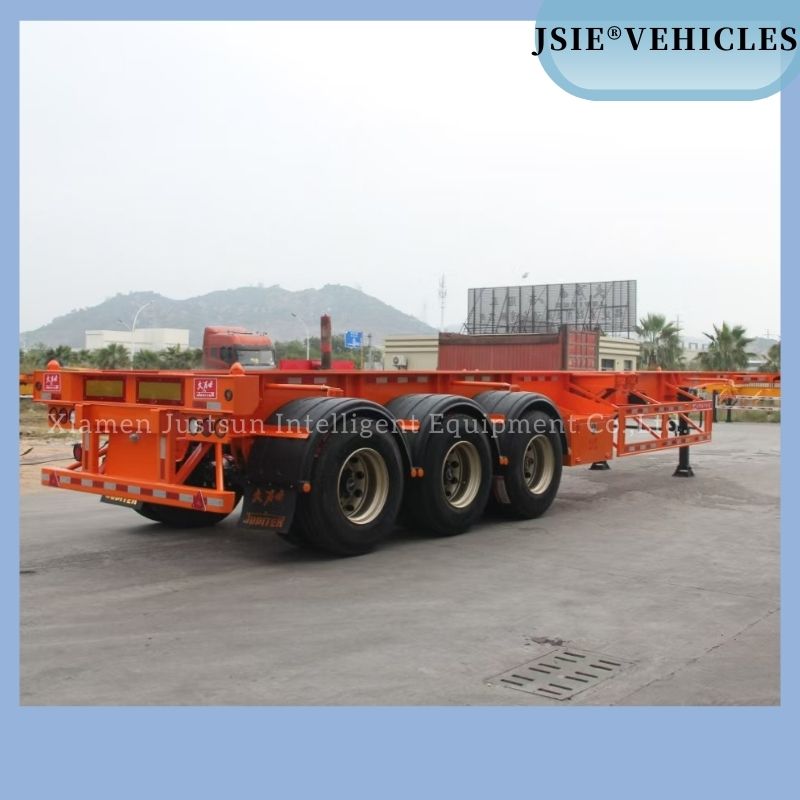
Most commercial transport fleets rely heavily on retreaded tires to maintain profitability. Retreads help operators manage their daily running expenses efficiently. A standard semi trailer might run eight retreaded tires simultaneously. Recaps offer excellent highway performance when fleet managers monitor them correctly. You simply have to track two entirely different age metrics. You must monitor the original casing age continuously. You must also check the subsequent retread application date.
Every commercial retread receives a brand new DOT stamp during manufacturing. Industry professionals call this the DOT-R code. The DOT-R code identifies the specific retread facility and the exact retread date. You will typically find it stamped near the original factory DOT code. The original code tells you when the internal casing was initially built. The DOT-R code tells you when the fresh tread was applied. You must evaluate both dates to determine true tire health.
Putting fresh rubber tread on a severely aged casing carries immense operational risk. You should strongly avoid retreading any casing older than five years. The internal steel casing belts suffer severe fatigue over thousands of miles. The surrounding rubber compound naturally stiffens and loses vital flexibility. Industry safety standards suggest strict age limits for secondary retreading procedures.
Most premium retread facilities routinely reject original casings past year five. A seven-year-old casing sporting brand new tread remains a seven-year-old casing underneath. The internal belts can still easily separate at high interstate speeds. We highly recommend keeping a strict five-year cap on original casing age limits.
Many commercial operators falsely believe adequate tread depth guarantees a completely safe tire. Industry veterans commonly call this dangerous assumption the tread fallacy. Commercial trailer tires very often age out long before they actually wear out. This phenomenon happens frequently on specialized drop-deck equipment. It also severely impacts reserve fleet units used only during peak shipping seasons.
A commercial tire sitting idle degrades steadily day by day. The legal minimum tread depth remains 2/32" for standard trailing axles. A spare tire can easily measure a healthy 10/32" of remaining tread depth. However, that same tire might suffer from severe internal chemical decay.
Commercial rubber ages continuously through unavoidable chemical breakdown processes. The specialized tire compound constantly loses its essential softening oils. Prolonged sunlight exposure causes severe internal UV degradation. Ambient oxygen slowly attacks the synthetic rubber polymers year after year. Chemists refer to this relentless degradation process as oxidation.
These combined environmental factors completely compromise the internal structural integrity. The tire permanently loses its natural stretching elasticity. The outer rubber eventually becomes dangerously brittle and prone to sudden cracking. Tires actually require continuous rolling movement to distribute internal anti-aging chemicals properly. Static tires sitting in parking yards break down much faster than actively rolling tires.
You must carefully weigh proactive replacement costs against massive operational penalties. A catastrophic blowout on the interstate always costs far more than buying fresh rubber. You face exorbitant emergency roadside service fees. You inevitably miss strict customer delivery windows. An exploding tire can easily destroy expensive trailer wheel wells or sever vital air lines. Proactive replacement reliably prevents these massive logistical disruptions.
We strongly recommend swapping aging tires before they physically fail on the road. You should treat aging rubber as a known, preventable hazard. Remove these tires from service immediately when they hit the five to seven-year mark. This proactive approach saves your business from unpredictable roadside disasters.
Ozone cracking typically appears as a network of tiny spiderweb fractures. You will notice them spreading along the outer sidewall surfaces. You will also spot them hiding deep inside the main tread grooves. Mechanics and drivers commonly call this condition dry rot. You must learn to distinguish between minor superficial blemishes and dangerous structural decay.
Superficial cosmetic marks barely catch your fingernail during a physical inspection. Deep structural cracks actually expose the inner steel casing cords to moisture. Structural cracking completely compromises the entire tire casing. Moisture enters these cracks and aggressively rusts the internal steel belts.
Visual Assessment Guide
Degradation Stage | Visual Characteristics | Required Maintenance Action |
|---|---|---|
Cosmetic Weathering | Faint surface lines, no visible depth or casing cord exposure | Monitor closely during routine weekly pre-trip inspections |
Moderate Ozone Cracking | Distinct cracks in the sidewall rubber, cords remain hidden | Schedule replacement at the next convenient maintenance interval |
Structural Dry Rot | Deep fissures exposing inner steel or fabric casing cords | Remove from active service immediately to prevent blowouts |
Aging tires frequently suffer from dangerous tread or internal belt separation. You can spot early warning signs during your mandatory pre-trip walk-arounds. Look closely for unusual bubbling or bulges on the lower sidewall. Watch carefully for highly irregular wear patterns across the main tread face. Drivers might also report unusual shaking or vibrations coming from the rear axles.
A noticeably vibrating semi-trailer often indicates internal belt shifting inside the tire casing. You must pull the tire immediately if you spot a sidewall bulge. A sidewall bulge indicates air has already breached the inner liner.
Environmental factors dramatically accelerate the chemical aging process of parked rubber. A parked transport rig faces intense, concentrated environmental stress. Prolonged static weight completely flattens the bottom casing structure over time.
Sitting on hot summer asphalt heavily degrades the primary footprint area.
Direct sunlight intensely bakes and dries out the exposed outer sidewalls.
Standing water promotes rapid moisture seepage into any existing micro-cracks.
You should actively move parked transport equipment regularly to redistribute weight. Cover the tires with reflective shields if they face direct southern sun. Park your equipment on bright concrete rather than dark asphalt whenever possible. These simple storage habits drastically extend the viable lifespan of your rubber.
The Federal Motor Carrier Safety Administration (FMCSA) enforces very strict equipment rules. They heavily regulate minimum acceptable tread depth for commercial vehicles. They firmly mandate immediate removal for visibly exposed cords or massive defects. However, the FMCSA does not currently enforce a strict legal expiration date for tire age.
Federal law will not automatically issue a violation simply because a tire turns six years old. You remain technically compliant as long as the tire shows no visible structural damage. The tire must also comfortably meet the 2/32" tread depth minimum requirement. Despite this legal loophole, relying solely on FMCSA minimums remains incredibly dangerous.
Despite a lack of strict federal age laws, industry bodies provide crystal clear safety guidelines. The Technology & Maintenance Council (TMC) sets the gold standard for fleet maintenance protocols. Major commercial tire manufacturers also publish extremely strict usage rules for their products. They uniformly advise rigorous annual physical inspections starting precisely at year five.
These organizations mandate absolute tire removal between year seven and year ten. Most premium tire manufacturers explicitly cap their original casing warranty coverage at seven years. You should adopt this recommended seven-year limit as a hard ceiling for your semi trailers. Pushing rubber beyond seven years invites completely unnecessary risk into your daily operations.
Every commercial operator needs a written internal fleet policy regarding tire age limits. This formal document standardizes maintenance decisions across all your operating units. It also significantly reduces your legal liability following a severe crash. You should mandate thorough DOT date checks during every single preventive maintenance cycle.
Ensure your mechanics accurately log the exact age of every tire currently mounted. A strong written policy completely removes guesswork from the maintenance floor. It empowers your mechanical team to confidently pull dangerous tires before they blow out. Consistent enforcement of these standards protects your drivers and your cargo.
Monitoring commercial tire health requires a careful, multifaceted approach. You must track the DOT date code diligently across your entire fleet. You must monitor tread wear constantly to ensure legal compliance. You must also perform highly detailed physical inspections to spot silent degradation. Tread depth alone will never tell you the full story about a tire. Rubber always degrades silently over time regardless of how many miles it travels.
We strongly urge owner-operators and fleet maintenance managers to act proactively today. Audit your current rolling equipment using the precise guidelines detailed above. Pay special attention to reserve transport units sitting idle in the back yard. Use this standardized evaluation framework to instantly identify high-risk aged casings. Your daily highway safety depends entirely on maintaining healthy, flexible rubber.
Your next step is straightforward and highly actionable. Partner closely with a certified commercial tire supplier in your region. They can help you establish a formalized, ongoing tire lifecycle management program. A formal management program actively prevents blowouts, keeps your trucks rolling, and completely protects your delivery schedules.
A: The federal government mandates no strict legal expiration date. However, industry consensus strongly recommends total replacement at six to seven years. Chemical rubber degradation occurs constantly regardless of remaining tread depth. You face severe structural blowout risks using tires operating past this specific age window.
A: You should carefully inspect the inner facing sidewall first. If the date code remains entirely missing or destroyed by curb scrubbing, you face a problem. We highly recommend treating that tire as an unknown safety liability. You should schedule an immediate replacement to avoid unpredictable roadside failures.
A: Steer tires face stricter wear requirements and naturally wear out much faster. Trailer tires generally experience longer service lives and different operational stresses. Because trailer tires last longer, they are significantly more likely to succumb to age and dry rot. You must monitor trailer tire age much more aggressively.
A: Yes. Prolonged UV degradation and ozone exposure severely dry out the rubber compound. Static, exposed tires actually dry out and crack much faster than actively rolling tires. Rolling physically distributes essential anti-aging chemicals properly within the internal rubber structure.