Telephone/WhatsApp: +86-13950097655 E-mail: eric@justsuntrucks.com
Please Choose Your Language

- All
- Product Name
- Product Keyword
- Product Model
- Product Summary
- Product Description
- Multi Field Search
Views: 0 Author: Site Editor Publish Time: 2026-08-31 Origin: Site
Receiving freight without a loading dock or a traditional forklift halts operations fast. It strands valuable cargo at your facility and risks hefty carrier detention fees. Relying on brute force or makeshift tools leads to damaged goods. It also exposes your crew to serious safety hazards. You need practical alternatives to safely ground heavy pallets or loose cartons.
We will objectively evaluate alternative equipment and logistical strategies. You will learn how to choose methods based on freight type, site constraints, and budget limits. You will discover safe, proven workarounds for your facility. We will also emphasize why bypassing proper material handling protocols introduces massive compliance risks. While workarounds exist, prioritizing safety remains non-negotiable for any successful receiving operation.
Utilizing carrier-provided liftgates paired with pallet jacks is the most reliable low-capex solution for palletized freight.
Mobile yard ramps require upfront investment but provide the highest scalability for frequent semi-trailer deliveries.
Specialized machinery (gantry cranes, hoists) is mandatory for heavy, non-palletized, or oversized loads where manual handling is impossible.
Facility managers must balance equipment acquisition costs against labor hours, safety liabilities, and recurring carrier accessory fees.
OSHA compliance dictates that all substitute unloading methods must adhere to strict weight-rating and employee training standards.
You must clear the trailer quickly upon arrival. Carriers usually grant you two hours of free time for receiving. If you exceed this window, they apply detention penalties. These fees add up rapidly and erode your profit margins. You need a reliable strategy to unload efficiently. Unloading must finish within the allotted time. It must also happen without damaging the cargo or your facility walls. Success means balancing speed, safety, and equipment capability.
Categorize your incoming load to determine feasible alternatives. Different freight profiles require entirely different approaches. You must understand what sits inside the semi trailer before it arrives.
Standard palletized goods vs. floor-loaded loose cartons: Pallets require rolling equipment like jacks. Loose cartons demand manual sorting or conveyor belts.
Oversized machinery vs. standard 48x40 pallets: Standard pallets fit on basic liftgates easily. Oversized machinery hangs off edges and creates tipping hazards.
Identify physical blockers outside your facility doors. Ground conditions dictate which alternative equipment can safely operate. Hard, level concrete supports nearly all rolling equipment. Gravel yards sink under heavy point loads. Uneven asphalt causes steep inclines and wheel lockups. You must audit your receiving area before selecting an unloading method. Mud, snow, and slope grades drastically limit your options.
This strategy shifts the equipment burden to the carrier. You request a truck equipped with a hydraulic liftgate during the dispatch stage. The carrier assigns a specific trailer to your route. The driver arrives, lowers the platform, and manually unloads your freight. You do not need to buy heavy lifting machinery. You simply prepare your receiving area for the delivery.
Drivers use a manual pallet jack to move freight. They pull the pallet onto the liftgate platform. They lower it to grade and wheel it into your facility. This process demands a hard, level surface. Pallet jacks fail completely on gravel, dirt, or uneven asphalt. Small polyurethane wheels get stuck easily. If your lot slopes downward, drivers cannot safely control a heavy pallet.
You must weigh the immediate benefits against the long-term operational limits.
Evaluation Factor | Details & Considerations |
|---|---|
Pros | Zero equipment purchasing required. It relies entirely on the carrier’s asset. You save floor space by avoiding equipment storage. |
Cons | Standard liftgates max out at 2,500 to 3,000 lbs. They are not suitable for heavy industrial machinery. You pay recurring accessory fees per shipment. |
Best Use Case | Occasional deliveries of light, standard-sized pallets on paved lots. |
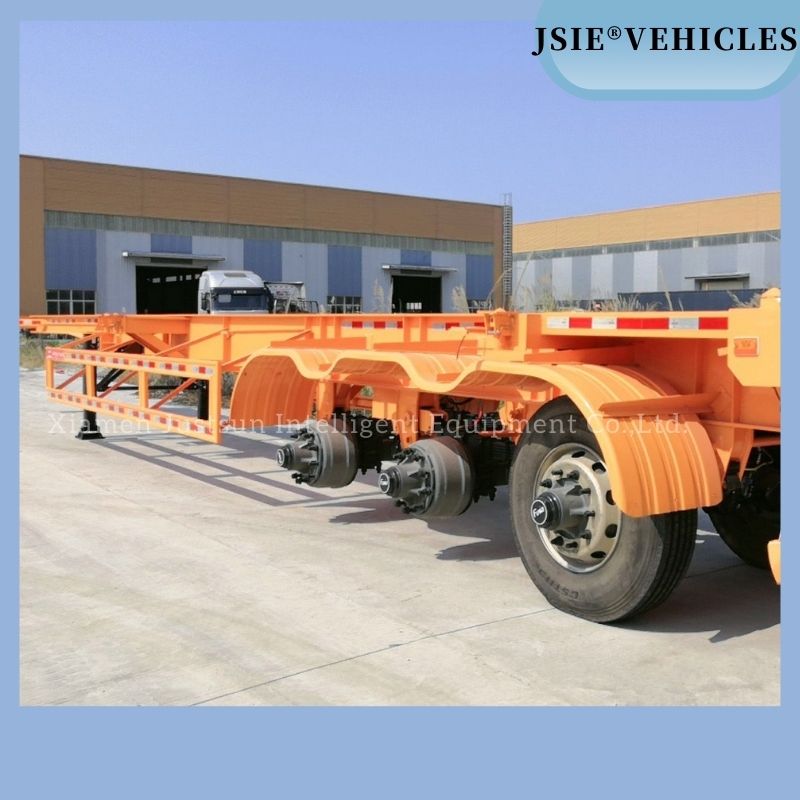
Mobile yard ramps act as portable loading docks. They allow pallet jacks or motorized stackers to drive directly into the back of semi trailers. A truck backs up to the ramp. You secure the ramp to the trailer using safety chains. Your crew can then access the freight from ground level. This solution offers high scalability. It works best for operations transitioning to higher volume. It bridges the gap when you lack permanent dock infrastructure.
Some loads exceed basic manual capacities. Handling single, heavy items like CNC machines or industrial parts requires specialized gear. Gantry cranes straddle the load and lift it vertically. Engine hoists handle smaller, dense machinery. This equipment is strictly mandatory where manual handling is impossible. Operating these devices requires rigorous rigging knowledge. You must establish secure anchor points before lifting. Improper rigging leads to dropped loads and catastrophic damage.
Many suppliers ship loose boxes stacked floor-to-ceiling. Expandable gravity roller systems solve this problem. You place these expandable conveyors inside the trailer. Workers load boxes onto the rollers deep inside the nose of the trailer. Gravity pushes the boxes outward to your receiving team. This converts intensive manual lifting into a streamlined sorting process. It significantly reduces labor fatigue and turnaround time.
Facilities seeing one or two deliveries a month should avoid heavy capital expenditure. We recommend pre-planning for a liftgate delivery and using a manual pallet jack. You must accept the per-delivery surcharge from your carrier. This fee is negligible compared to buying large equipment. Keep your overhead low. Ensure your paved surface stays clean and free of debris for the pallet jack.
Weekly deliveries change the financial math completely. We recommend investing in a mobile yard ramp and a motorized walkie-stacker. The return on investment happens quickly. You eliminate recurring liftgate accessory fees. You avoid expensive detention costs. You also dramatically reduce manual labor hours. A motorized stacker easily climbs the incline of a yard ramp. It pulls heavy pallets out of the semi-trailer effortlessly.
Machinery weighing over 4,000 lbs demands industrial solutions. We recommend renting a telehandler or utilizing overhead gantry systems for these deliveries. Safety and equipment ratings always override budget concerns. Makeshift engineering is extremely hazardous. You must strictly avoid using wooden ramps or unrated chains. Spend the money to rent proper equipment. Protecting your workers and your high-value cargo is your primary responsibility.
The Occupational Safety and Health Administration mandates strict protocols. Substitute equipment must never operate beyond its stamped weight capacity. Facility managers must verify the weight of incoming freight against their equipment tags. You must train employees on the specific substitute tools they use. Ignorance of equipment limits leads to severe fines and critical workplace injuries. Always keep maintenance logs for your hoists and ramps.
Desperation breeds dangerous ideas on the receiving floor. We specifically warn against unverified methods shared in informal forums. Never use pickup trucks to drag freight out of a trailer. Never build unrated scaffolding to reach high loads. Never use basic lumber to bridge gaps between the trailer and the ground. These makeshift methods fail under dynamic loads. They create massive liability risks for your business.
Trailers experience violent load shifts during transit. Hard braking or tight turns cause pallets to topple inside. A forklift mast usually stabilizes falling pallets during standard unloading. Without a forklift, your employees face severe crush hazards. When workers open the rear doors, shifted cargo can burst outward. Workers manually unloading must open doors cautiously. Always inspect the load visually before entering the confined space.
You must prepare your site before ordering alternative handling equipment. Follow these steps to ensure safe operations:
Conduct a Surface Grade Audit: Measure the slope of your receiving lot. Ensure it meets the safe incline limits for pallet jacks or mobile ramps.
Measure the Turning Radius: Verify you have enough space for trucks to back in and for your crew to maneuver equipment.
Perform a Freight Audit: Document the maximum pallet weight and dimensions you expect to receive this year.
Assess Flooring Durability: Confirm your concrete or asphalt can handle the point load of a heavy yard ramp.
Review Training Records: Ensure your team holds current certifications for motorized walkie-stackers or rigging equipment.
Your frequency of deliveries and your maximum freight weight dictate your ultimate solution. You must balance the physical realities of your lot against your operational budget. Evaluating these factors objectively prevents costly mistakes and delays.
While unloading a trailer without a forklift is entirely possible, it requires shifting your investment. You either invest upstream by paying carriers for hydraulic liftgates, or you invest downstream by purchasing specialized ground-level access equipment. Neither path is completely free, but both offer viable workarounds.
Take action today to streamline your receiving process. Evaluate your current freight volume closely. Audit your physical space. Request quotes for appropriate material handling alternatives like yard ramps or heavy-duty walkie-stackers. Proactive planning ensures you never face unexpected detention fees or dangerous unloading scenarios.
A: Yes, but only if the trailer has a liftgate to lower the pallet to the ground, or if you have a mobile yard ramp to bridge the height gap. A pallet jack cannot lower freight from dock height to ground level on its own.
A: Standard liftgates typically handle 2,500 to 3,000 lbs. Heavier loads require specialized heavy-duty liftgates or alternate lifting equipment. Always confirm the liftgate capacity with your carrier before the truck arrives.
A: Yes, provided the ramp has an appropriate incline grade and traction surface. However, motorized pallet jacks (walkie-stackers) are heavily recommended over manual ones. Pushing heavy loads up or down a slope manually causes extreme worker fatigue.
A: Fees vary widely by carrier and specific shipping lane. They typically range from $50 to $150 per delivery. This recurring surcharge reinforces why frequent receivers might prefer buying their own equipment to eliminate long-term costs.