Telephone/WhatsApp: +86-13950097655 E-mail: eric@justsuntrucks.com
Please Choose Your Language

- All
- Product Name
- Product Keyword
- Product Model
- Product Summary
- Product Description
- Multi Field Search
Views: 0 Author: Site Editor Publish Time: 2026-08-01 Origin: Site
Treating a commercial transport vehicle as a single, indivisible unit often leads to inefficient procurement. It also creates frustrating maintenance cycles. Breakdowns, compliance failures, and unexpected repair expenses usually trace back to specific component vulnerabilities. For fleet managers and owner-operators, understanding commercial trailer anatomy proves essential. It empowers you to accurately evaluate replacement parts. You can easily predict routine service intervals. It also helps you maintain strict DOT and FMCSA compliance. If you ignore the health of individual subsystems, you risk sidelined equipment and heavy roadside fines. This guide delivers a transparent, system-by-system breakdown of essential vehicle components. We outline their specific functions and pinpoint common failure risks. We also provide clear evaluation criteria for your maintenance program. You will learn exactly when to repair, replace, or upgrade critical parts. Ultimately, this knowledge keeps your fleet rolling safely and profitably.
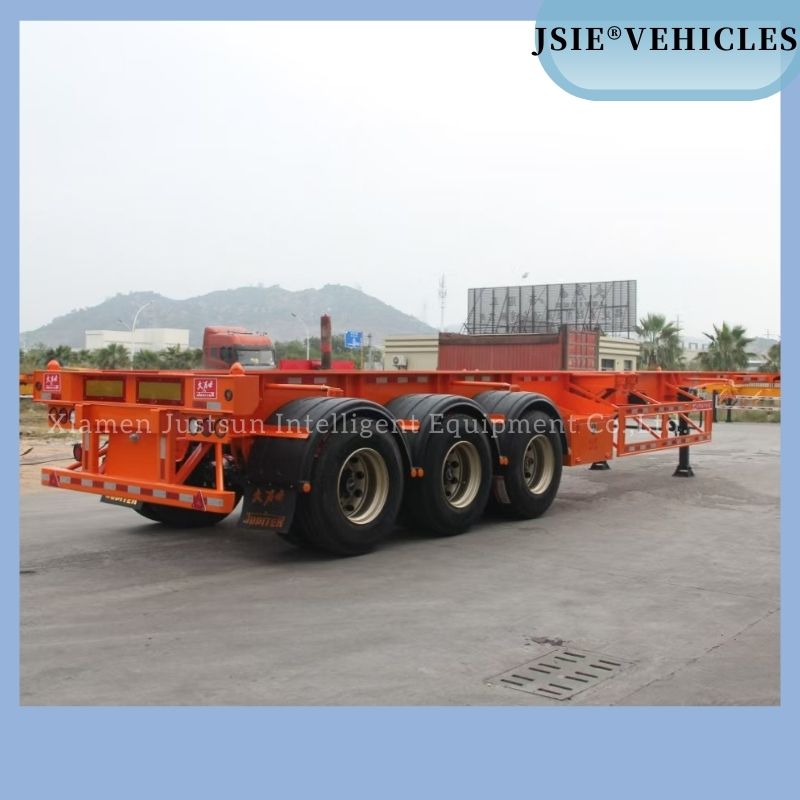
A semi-trailer’s operational lifespan is dictated by four core systems: Structure, Coupling/Support, Running Gear, and Pneumatics/Electrical.
The kingpin and upper coupler represent the most critical safety juncture; wear beyond 1/8-inch requires immediate intervention.
Air-ride suspensions offer better freight protection, but mechanical spring suspensions remain cost-effective for harsh, heavy-duty applications.
Preventative maintenance on electrical wiring harnesses and pneumatic lines (gladhands) reduces the most common causes of roadside DOT violations.
Choosing between OEM and aftermarket replacement parts depends heavily on the component's impact on safety, load bearing, and regulatory compliance.
The main frame acts as the structural spine of any commercial trailer. Primary steel or aluminum I-beams run the length of the unit. They bear the entire weight of your freight. When you spec a new semi trailer, you must evaluate frame materials carefully. Fleet operators often face a choice between aluminum and galvanized steel. Aluminum offers significant weight reduction. This allows for higher payload capacities. Galvanized steel provides superior durability. It resists regional corrosive elements like winter road salt. You should base this decision on your typical freight type and operating environment.
Crossmembers run horizontally beneath the floor. They provide crucial load-bearing support for the deck. Flooring materials typically include hardwood, such as oak or maple, or extruded aluminum. Hardwood floors offer excellent traction and durability for standard dry vans. Extruded aluminum floors dominate refrigerated units due to superior airflow and moisture resistance.
Improper crossmember spacing creates severe implementation risks. Forklift traffic regularly causes localized floor failure. A heavy forklift exerts massive point-load stress on the deck. If your crossmember spacing exceeds 12 inches on center, the floor may buckle under heavy machinery. Many heavy-duty applications require 10-inch or even 8-inch spacing to prevent catastrophic floor damage.
The rear impact guard prevents passenger vehicles from sliding underneath the trailer during rear-end collisions. The industry often calls this component the ICC bumper. It serves a vital life-saving function on the highway. Strict DOT inspection standards govern its condition. Inspectors look for compromised structural integrity. Bent, cracked, or heavily rusted guards present massive liability risks. A damaged underride guard results in immediate out-of-service violations. You must replace compromised guards using certified, high-strength steel assemblies.
The kingpin is a solid steel shaft extending from the upper coupler plate. It locks directly into the tractor’s fifth wheel. This connection represents the most critical safety juncture between the tractor and the trailer. The upper coupler assembly supports the weight of the trailer's front end.
Mechanics must evaluate kingpin wear using a specialized gauge. The industry standard mandates strict tolerances. Wear exceeding 1/8-inch requires immediate intervention. Heavy friction eventually wears down the steel shaft. Some repair shops offer welding services to build up worn kingpins. We strongly advise against this practice. Welding alters the metallurgical strength of the steel. A compromised kingpin presents a severe safety risk. Replacing the entire kingpin assembly remains the safest industry standard.
Landing gear systems support the trailer when unhooked from a tractor. They utilize a two-speed gearing system. The high gear allows operators to lower the legs quickly to the ground. The low gear provides the necessary torque to lift a fully loaded unit. Both speeds demand regular lubrication to function correctly.
Lifecycle considerations dictate frequent landing gear inspections. Common failure points plague older units. You will often see stripped internal gears and rusted cross-bracing. Collapsed footpads occur frequently in soft freight yards. Water intrusion washes away internal grease, causing gears to seize. We recommend evaluating sealed, lubrication-free landing gear systems. They require zero maintenance and offer a significantly longer operational lifespan.
Tandem axles support the rear weight of the freight. Slider rails allow operators to physically move the tandem assembly forward or backward. Sliding the tandems redistributes the load weight between the tractor drive axles and the trailer axles. Operators must master this adjustment to comply with strict state bridge laws. A standard semi-trailer relies on smooth slider operation to maximize payload limits safely.
The operational reality of slider rails involves frustrating maintenance hurdles. The locking pins and air-release mechanisms face constant exposure to road debris. They frequently seize without proper lubrication. Drivers often struggle to release stuck slider pins in freezing weather. Regular greasing of the rail holes and pin assemblies prevents costly yard delays.
Suspension systems absorb road shock and protect the structural frame. Fleets must choose between air ride and mechanical spring suspensions. Both systems offer distinct operational advantages. Mechanical springs utilize stacked steel leaves. Air ride systems use pneumatic air bags and shock absorbers.
Suspension System Comparison Chart
Feature | Air Ride Suspension | Mechanical Spring Suspension |
|---|---|---|
Freight Protection | Excellent. Best for fragile loads. | Moderate. Best for rugged freight. |
Maintenance Needs | Higher. Requires air leak checks. | Lower. Extremely durable over time. |
Initial Cost | Higher upfront investment. | Highly cost-effective. |
Weight | Heavier system overall. | Lighter weight design. |
The pneumatic brake system relies on multiple specialized components. Pressurized air travels through brake chambers. The chambers push pushrods connected to slack adjusters. The slack adjusters rotate the S-cams. Finally, the S-cams force the brake shoes against the drums or rotors. This complex chain requires precise calibration.
Automatic Slack Adjusters (ASAs) and Anti-lock Braking Systems (ABS) represent massive leaps in safety. You should not view them merely as regulatory requirements. These components act as critical variables in fleet safety. Proper ASAs keep brake shoes perfectly aligned. This reduces uneven tire wear. Fully functioning ABS prevents wheel lockup during emergency stops. This prevents catastrophic jackknifing scenarios on wet highways.
Gladhands act as the interlocking connectors linking the tractor's air supply to the trailer brakes. They utilize a strict color-coded system. The blue gladhand controls the service brakes. The red gladhand supplies continuous emergency air. These connectors form a tight seal to maintain system pressure.
Polyurethane gladhand seals degrade rapidly. Constant coupling, UV exposure, and freezing temperatures ruin the rubber. A cracked seal causes massive air leaks. Replacing these small seals represents a low-cost, high-return preventative action. It directly protects against catastrophic brake failure on steep grades. Drivers should carry spare seals in their cabs at all times.
Visibility remains a top priority for highway safety. Federal regulations mandate specific lighting elements. These include tail lights, clearance lights, side markers, ABS indicator lights, and turn signals. Any dead bulb invites an immediate roadside inspection.
Modern fleets have shifted heavily from incandescent bulbs to LED systems. LEDs draw less power and last significantly longer. The true evaluation lens, however, focuses on wiring harnesses. Fully sealed, modular wiring harnesses prevent water intrusion. Corrosion causes hidden electrical shorts. Chafed wires and blown fuses rank as top drivers of CSA (Compliance, Safety, Accountability) violations. Upgrading to fully sealed harnesses eliminates these frustrating electrical gremlins.
Purchasing managers constantly debate OEM versus aftermarket parts. You must balance initial cost against long-term reliability. Aftermarket parts usually feature lower price tags. OEM parts undergo strict validation processes. Engineers test OEM components specifically for original load specifications. Standard semi trailers perform best when repaired with validated equipment.
We recommend a simple sourcing rule of thumb. Always use OEM components for high-liability structural and braking systems. This includes kingpins, axle assemblies, and brake valves. High-tier aftermarket parts work perfectly well for non-structural body hardware. You can safely use aftermarket mudflaps, reflective tape, or standardized LED lighting units.
Knowing when to repair versus when to replace requires clear guidelines. Fleet managers must evaluate the lifecycle stage of failing components. Minor damage usually warrants a targeted repair. Systemic failure demands total replacement. Consider these common indicators:
Roof Damage: Patch small tears with specialized aluminum tape or sealant. Replace the entire roof sheet if the cross-bows show buckling.
Slider Boxes: Weld minor cracks along the rail securely. Swap the entire slider box assembly if the locking holes stretch out of round.
Brake Drums: Resurface lightly worn drums. Discard and replace any drum showing deep heat checks or cracks.
Flooring: Splice in small sections of hardwood for localized forklift damage. Replace full deck lengths if water rot spreads across multiple crossmembers.
Proactive fleet management requires consistent action. Implementing a structured approach saves time and money. Follow these steps to optimize your component lifecycle strategy:
Audit all current fleet assets to identify recurring component failures.
Create a standardized preventative maintenance checklist focusing on gladhands, slider pins, and upper couplers.
Equip your maintenance bays with precise kingpin gauges and brake stroke measurement tools.
Partner with verified parts distributors who carry both certified OEM and premium aftermarket lines.
Train drivers to inspect critical seals and wiring connections during every pre-trip inspection.
A commercial trailer is never just a simple box on wheels. It represents a complex assembly of specialized, highly regulated components. Every subsystem plays a vital role in protecting your freight and your drivers. Structural elements bear the load, while pneumatic systems ensure safe stopping distances. Electrical harnesses provide crucial highway visibility. Successful fleet operation relies entirely on proactive component monitoring rather than reactive repairs. Waiting for a part to fail on the highway destroys your profit margins. We encourage you to consult with dedicated parts specialists. Request a thorough structural audit of your aging equipment today. Browse verified replacement catalogs to secure top-tier components. Taking these proactive steps will guarantee your fleet's long-term uptime and safety.
A: The kingpin on the trailer interlocks directly with the fifth wheel on the tractor. This solid steel connection bears the towing weight. It allows the rig to articulate safely around corners. Regular inspection of this critical junction ensures highway stability.
A: Lifespans vary heavily by load weight and route type. Tires typically last between 80,000 and 120,000 miles. Brake shoes often require replacement every 250,000 miles. Remember, proper suspension health and accurate slack adjusters strictly dictate your tire and brake longevity.
A: Lighting failures represent the most common DOT violation. Inspectors also frequently flag chafed air lines, degraded gladhand seals, and out-of-adjustment brakes. Performing rigorous pre-trip inspections eliminates the vast majority of these simple roadside failures.
A: Yes, you can mix them safely if done correctly. Use OEM parts for critical systems like axles, brakes, and coupling assemblies to maintain safety warranties. High-quality aftermarket parts work perfectly for cosmetic items, standardized lighting, and simple body hardware.