Telephone/WhatsApp: +86-13950097655 E-mail: eric@justsuntrucks.com
Please Choose Your Language

- All
- Product Name
- Product Keyword
- Product Model
- Product Summary
- Product Description
- Multi Field Search
Views: 0 Author: Site Editor Publish Time: 2026-08-21 Origin: Site
Have you ever followed a commercial truck driving sideways down the highway? Mechanics call this dangerous condition "dog tracking" or crabbing. It happens when the rear axles fail to follow the direct path of the tractor. Instead, the vehicle drives at a visible offset angle. This is not just a cosmetic annoyance. Dog tracking represents a critical mechanical failure. It accelerates tire tread wear rapidly. It increases fuel consumption by introducing severe aerodynamic drag. Furthermore, it creates significant handling risks for the driver. You must transition from simply spotting this visual symptom to taking decisive action. We will help you understand the root causes and correct them. You will learn how to identify misalignments and choose cost-effective repair strategies. Proper maintenance will keep your fleet running straight, safe, and efficiently.
Primary Culprit: Out-of-spec thrust angles caused by misaligned axles are the leading reason a semi trailer will dog track.
Hidden Costs: Operating dog-tracking semi trailers drastically reduces tire lifespan and cuts fuel economy by exposing the trailer side to wind resistance.
Solution Criteria: Effective repair requires professional laser alignment over manual measurements, often paired with the replacement of degraded suspension components.
Preventative ROI: Integrating regular axle and kingpin alignment checks into routine maintenance prevents premature component failure and lowers the overall cost per mile.
The primary reason a semi trailer drives sideways relates directly to its thrust angle. The thrust angle defines the direction the rear axles point compared to the center line of the vehicle. When axles sit perfectly parallel to each other and perpendicular to the chassis, the thrust angle is zero. A deviated thrust angle forces the axles to steer independently of the kingpin. If the front axle points slightly left and the rear axle points right, they fight each other. The tires push the trailer out of its natural straight line. This misalignment forces the driver to constantly counter-steer.
Suspension parts absorb massive amounts of road shock daily. Over time, these components degrade and lose their tight tolerances. Excessive play in the suspension allows axles to shift out of parallel alignment under heavy loads. Pay close attention to the following common culprits:
Worn Bushings: Rubber or polyurethane bushings eventually dry out, crack, or compress. This creates empty space around the mounting bolts.
Compromised Radius Rods: Torque arms keep the axle positioned correctly. Bent or worn radius rods let the axle slide forward or backward on one side.
Failing Spring Hangers: Heavy impacts can stretch or crack spring hangers. Damaged hangers alter the resting geometry of the entire suspension system.
Accidents and road hazards frequently alter axle geometry permanently. Drivers often curb the tires during tight right-hand turns. Hitting a concrete curb at speed sends a massive shockwave through the wheels. Harsh docking procedures also contribute to structural fatigue. If a driver backs into a loading dock too forcefully, the impact can bend the frame. Potholes cause similar devastation. These heavy impacts can shift the slider bogie out of alignment. Once the subframe or bogie sits at an angle, the entire vehicle will crab down the highway.
Sometimes, the root cause involves poor setup choices rather than broken parts. Mismatched tires routinely exacerbate tracking instability. Using tires of different diameters on the same axle creates uneven drag. Incorrect air pressure achieves the same negative result. One underinflated tire pulls the equipment toward its side. Additionally, poorly lubricated fifth-wheel plates restrict natural pivoting. If the fifth wheel binds, the tractor cannot easily straighten the equipment after a turn. Always ensure the fifth wheel remains heavily greased and well-maintained.
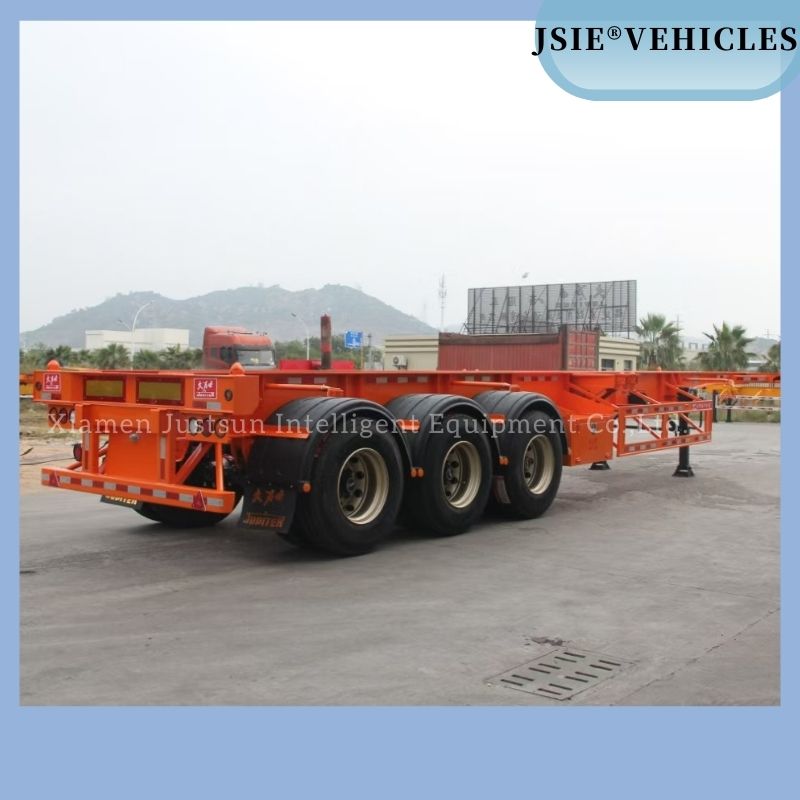
Operating a crabbed vehicle destroys commercial tires rapidly. We map a direct correlation between diagonal drag and rapid tire scrubbing. When axles point off-center, the tires literally drag sideways across the pavement. This sideways friction acts like sandpaper. A slight misalignment can scrub off thousands of miles of tread life in just a few weeks. Uneven wear patterns emerge quickly. You lose the return on investment you expect from premium rubber. Replacing blown or bald tires prematurely drains maintenance budgets.
Aerodynamics dictate highway fuel efficiency. Commercial trucks slice through the wind most effectively when driving perfectly straight. When a semi-trailer drives sideways, it increases its frontal surface area. The wind hits the entire side of the box rather than just the front aerodynamic fairings. This aerodynamic drag requires the engine to work much harder. You will see a measurable drop in miles per gallon (MPG). Over tens of thousands of miles, this wasted fuel costs operators thousands of dollars per unit annually.
Safety evaluation criteria strictly prohibit severe dog tracking. It drastically increases driver fatigue because operators must constantly input steering corrections. It also expands the vehicle's turning sweep. A wider sweep increases the immediate risk of side-swiping other cars or infrastructure. Department of Transportation (DOT) inspectors watch actively for crabbing. Severe misalignment can easily trigger roadside inspection violations. Inspectors will place the unit out of service if they deem the suspension fundamentally unsafe.
Below is a quick overview of how running a straight setup compares to a misaligned setup across key operational metrics.
Operational Metric | Proper Alignment (Zero Thrust) | Misaligned (Dog Tracking) |
|---|---|---|
Tire Tread Lifespan | Achieves maximum rated mileage | Reduced by up to 30-50% due to scrubbing |
Aerodynamic Drag | Minimal front-facing wind resistance | High drag due to exposed side surface area |
Driver Fatigue | Low (requires minimal steering adjustment) | High (demands constant wheel correction) |
DOT Compliance Risk | Passes standard roadside inspections | High risk of OOS (Out of Service) citations |
Catching alignment issues early saves money. Mechanics and owner-operators should implement a strict visual inspection routine. Look for early physical indicators before the handling becomes dangerous. Follow these diagnostic steps to identify hidden problems:
Inspect Tire Tread Patterns: Run your hand over the tread blocks. Look for feathering (sharp edges on one side) or cupping (scalloped dips).
Observe the Vehicle in Motion: Have a colleague drive the truck down a straight, flat highway. Follow closely behind them in a passenger car.
Check the Tracking Offset: Note if the side of the box extends past the side of the tractor cab.
Listen for Unusual Noises: Turn in tight circles in an empty parking lot. Listen for popping or grinding sounds from the slider bogie.
Maintenance shops use two primary methods to evaluate geometry. Manual tape measurements act as a legacy, field-expedient check. A mechanic measures the distance from the kingpin to the axle ends. While helpful in an emergency, this method carries a very high margin of error. Tape measures sag, and human error skews the results.
Professional laser alignment serves as the industry standard for precise evaluation. Modern laser systems shoot beams to targets mounted on the wheels. They capture camber, caster, toe, and thrust angle accurately. Lasers provide verifiable data down to fractions of a degree. This precise data informs smarter, highly targeted repair decisions.
Mechanics must isolate variables to diagnose problems correctly. You must confirm the tractor is properly aligned before diagnosing the rear equipment. A misaligned steer axle on the cab can translate steering issues backward. If the tractor pulls hard to the right, the rear unit will naturally swing out to compensate. Always put the tractor on the alignment rack first. Once you verify the cab tracks perfectly straight, you can accurately blame the trailing equipment for the crabbing symptom.
Shop managers face tough choices when shortlisting repair logic. Replacing a single worn bushing might seem cost-effective initially. However, spot replacement acts as a temporary fix if the entire trailing arm assembly remains compromised. When one bushing fails, the others usually follow shortly after. They all share the same age and stress load. We highly recommend full-axle hardware updates for long-term reliability. A complete suspension rebuild replaces all wear items simultaneously. This ensures the newly aligned axles hold their position firmly under maximum legal weight.
Adjusting the axles requires patience and heavy-duty tools. The exact procedure depends on the specific suspension type. For many systems, technicians loosen the radius rods. They manually lengthen or shorten these rods to pull the axle forward or push it backward. They use the laser readout to monitor real-time changes. Some welded suspensions require grinding off alignment collars. The technician shifts the axle into place and welds new collars to lock it down. The ultimate goal remains bringing the thrust angle back to a strict zero-degree tolerance.
You cannot trust this repair to just any local shop. You must know what to look for in a heavy-duty alignment facility. Ask about their calibration equipment. Ensure they use recently updated laser sensors rather than outdated optical systems. Check the credentials of their floor staff. Technicians should hold certifications in specific commercial suspension systems. Familiarity with major brands like Hendrickson, Meritor, or SAF-Holland proves essential. An experienced technician knows exactly where these systems hide their most common wear points.
Smart fleets do not wait for tires to blow out before checking alignment. You should establish an alignment baseline for all new assets. Perform a full laser alignment on all new semi trailers before they enter heavy rotation. Factory setups often settle or shift during initial use. Bushings break in, and bolts can stretch slightly during the first few loads. Verifying alignment at zero miles prevents the very first set of tires from scrubbing away prematurely.
Proactive managers rely on strict routine audit schedules. We suggest creating a mileage-based or event-based evaluation framework. Checking alignment every 80,000 to 100,000 miles catches gradual shifts before they become severe. Event-based audits are equally important. Mandate a shop visit immediately after a driver reports a severe curbing incident. Catching a bent radius rod quickly saves the tires and prevents the damage from migrating into the main frame rails.
You must understand the risks of cutting corners during maintenance. We strongly warn against the risk of aligning axles without first replacing worn suspension parts. Aligning worn components wastes money. You might achieve a perfect zero-degree thrust angle on the shop floor while the vehicle sits empty. However, worn bushings guarantee the axles will fall out of spec as soon as they take a heavy load. You must restore structural rigidity before attempting to calibrate geometry.
You must treat dog tracking as a serious symptom of a larger geometric and mechanical imbalance. Ignoring it leads to massive operational waste. Your tires will degrade rapidly, your fuel economy will plummet, and your drivers will battle constant fatigue. Investing in precision laser alignment and high-quality suspension components yields an immediate return. You will secure extended tire life and predictable fuel savings. Do not wait for a DOT inspector to red-tag your equipment. Audit your current fleet today for irregular tire wear. Schedule a baseline laser alignment for any units showing early signs of crabbing.
A: A standard heavy-duty commercial alignment typically costs between $150 and $300 per axle. Prices fluctuate based on your location and the complexity of the suspension system. While this seems expensive, compare it to replacing ruined tires. Buying two blown super-single tires easily exceeds $1,000. Preventative alignment always saves money.
A: Yes. Structural frame damage alters the entire kingpin-to-axle geometry. If the subframe bends during an accident or heavy dock impact, the axles will sit crooked regardless of suspension condition. Fixing this requires specialized frame-straightening racks to bend the steel back into factory tolerance.
A: No. Dog tracking introduces immediate safety risks. The sideways drag causes lane encroachment, pulling the vehicle dangerously close to other cars. It severely worsens handling during rain or snow, increasing jackknife risks. DOT inspectors will issue violations or out-of-service orders if they observe it.
A: Industry standards recommend a full alignment check every 80,000 to 100,000 miles. You should also schedule one immediately after installing new tires, replacing major suspension components, or experiencing a harsh impact like curbing. Frequent heavy loads or rough route conditions require more frequent checks.