Telephone/WhatsApp: +86-13950097655 E-mail: eric@justsuntrucks.com
Please Choose Your Language

- All
- Product Name
- Product Keyword
- Product Model
- Product Summary
- Product Description
- Multi Field Search
Views: 0 Author: Site Editor Publish Time: 2026-07-30 Origin: Site
Heavy transport forces a fundamental conflict. Fleet operators must maximize payload capacity while maintaining legal maneuverability. They also need to minimize crippling equipment wear. Navigating tight urban streets often strains standard heavy-duty setups. Complex industrial job sites present similar obstacles. This is where steering axles enter the equation. They serve as specialized mechanical or hydraulic solutions. These axles actively reduce a vehicle's turn radius. They alleviate severe structural stress on multi-axle configurations. Standard rigid axles simply cannot handle extreme cornering without dragging tires. However, choosing the right steering system is not just about turning easier. This comprehensive guide moves beyond basic definitions. We will evaluate the stark operational realities and maintenance trade-offs of different systems. You will learn how passive and active steering models impact your bottom line. We will examine lifecycle expenses to help you make informed fleet decisions. Ultimately, you will discover how to match axle technology precisely to your operational demands.
Primary Function: Steering axles eliminate "tire scrub" and chassis torsion during tight cornering, extending equipment life.
Solution Tiers: Systems range from passive (self-steering) to active (positive and command steering), scaling in cost, weight, and capability.
ROI Driver: The initial capital expenditure is primarily offset by significant reductions in tire replacement costs and improved access to restricted job sites.
Implementation Risk: Moving to steerable axles introduces higher tare weight and requires stricter preventative maintenance protocols.
Standard rigid axles perform well for straight-line highway cruising. However, they fall short on multi-axle trailers. Configurations like tridems or quads struggle when navigating sharp corners. Rigid axles refuse to pivot. They force tires to drag sideways across the pavement during a turn. This mechanical reality is known industry-wide as "tire scrub."
Tire scrub acts like a giant eraser on the asphalt. It rapidly degrades thick rubber tire treads. It drastically increases rolling resistance during low-speed maneuvers. Your diesel engine burns significantly more fuel just to overcome this lateral friction. Additionally, rigid turning exerts massive lateral stress on all suspension components. This twists the metal chassis intensely. It causes premature metal fatigue and structural weld failures. Air bags, torque arms, and bushings wear out faster due to unnatural side-loading forces.
When upgrading a semi trailer, fleet managers must define clear success criteria. You should look for measurable swept-path reduction. This ensures the rear of the trailer tracks closely to the tractor's exact path. It prevents the trailer from cutting corners into oncoming traffic. Compliance with strict local bridge and length laws serves as another critical factor. Finally, tire longevity must drastically improve. The chosen axle solution must resolve these specific operational frictions effectively.
You have three primary options when selecting steering technology. Each serves a distinct operational profile and budget.
Self-steering axles operate on a purely passive mechanism. They rely entirely on ground friction and natural caster angles. This allows the wheels to follow the tractor’s directional lead automatically. It works very similarly to the front wheels of a grocery shopping cart. When the truck turns, the lateral force pushes the wheels into alignment.
Best For: These systems suit cost-conscious fleets perfectly. They work well for long-haul highway applications requiring occasional tight urban deliveries. They remain significantly lighter and cheaper than active systems.
Limitations: Drivers face unique operational hurdles. They must remember to engage a pneumatic lock to keep the wheels straight when reversing. If they forget, the axle will violently jackknife backward. They also offer much less control in low-traction environments like deep mud, gravel, or ice.
Positive steering offers a robust, active mechanical solution. This system connects directly to the tractor's fifth wheel plate. It uses specialized turntables and rigid steel tie rods running beneath the trailer. When the tractor turns, the fifth-wheel wedge rotates. The rods instantly pull the rear trailer wheels to match the precise turning angle.
Best For: These axles dominate medium-to-heavy haul scenarios. They deliver highly predictable, synchronized tracking. They work flawlessly moving both forward and backward. Drivers never have to worry about manual locks when backing into loading docks.
Limitations: The mechanical complexity adds notable weight to the vehicle. The exposed steel rods remain highly vulnerable to impact damage. Rough terrain or road debris can bend these critical linkages. Semi-trailer operators must inspect these linkages frequently to ensure perfectly aligned tracking.
Command steering represents the absolute top tier of axle technology. Advanced hydraulic cylinders and electronic sensors dictate every steering input. These intelligent systems read the articulation angle via potentiometers. They even allow manual driver overrides. An operator can use a wireless remote control to steer the trailer axles independently from the tractor.
Best For: You need command steering for super-heavy haul jobs. They handle colossal oversize loads seamlessly. Moving huge wind turbine blades or industrial generators requires this technology. They conquer extreme site-access constraints where centimeter-level precision is required.
Limitations: This technology commands the highest initial capital cost by a wide margin. It adds the heaviest tare weight to your overall rig. Furthermore, it demands highly specialized technician maintenance. Standard diesel mechanics often lack the diagnostic software expertise to service these complex hydraulic blocks.
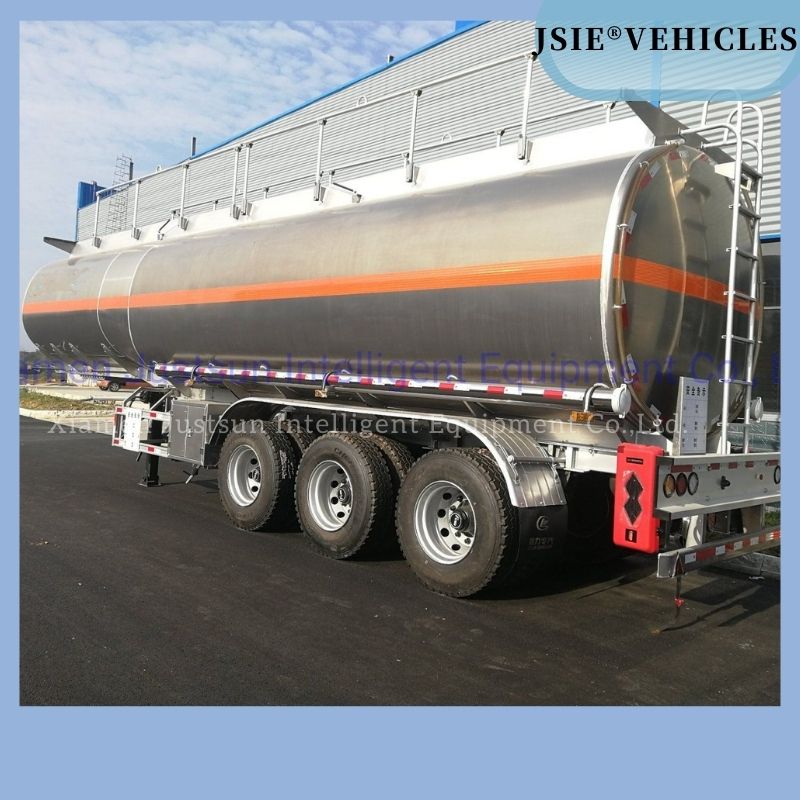
Adding advanced steering systems requires a solid financial justification. You must analyze concrete performance metrics to prove the value.
Tire replacement continually eats into fleet profitability. Scrubbing a rigid multi-axle setup destroys tread remarkably fast. Adopting a steerable axle drastically reduces this expensive wear. Benchmark engineering data confirms this dramatic improvement. Heavy Vehicle Transport Technology (HVTT) forum studies focus heavily on lateral stability and wear rates. Their research shows a properly steered axle can triple tire lifespan. The tires roll cleanly through tight corners instead of grinding sideways across rough concrete.
Cornering drag creates massive rolling resistance. Your truck works much harder to pull a rigid load through tight city intersections. Steerable axles effectively eliminate this parasitic drag. You will see a measurable drop in low-speed fuel burn. While highway fuel economy remains mostly unchanged, urban fuel usage improves drastically. This cumulative impact on annual fuel consumption delivers a very strong return on your initial investment.
Torsional stress heavily damages metal frames over time. Rigid axles transfer immense twisting forces directly into the chassis during tight maneuvers. Steerable setups relieve this severe tension entirely. They prevent micro-cracking in the frame rails and cross members. Furthermore, eliminating tire scrub reduces severe damage to delicate road surfaces. Customer facility yards also remain pristine. Upgrading heavy semi trailers with modern steering technology often fulfills strict municipal compliance requirements. Many cities fine operators who tear up asphalt with rigid quad-axle setups.
Upgrading brings clear financial benefits but introduces new daily challenges. Fleet managers must navigate distinct operational trade-offs to succeed.
Steering components add significant physical mass. A basic self-steer axle might add 300 to 500 pounds over a standard axle. A full command-steer hydraulic system can easily add over 1,500 pounds. This extra tare weight directly impacts your maximum allowable payload. You must carry less paying cargo to stay within strict legal weight limits. Fleet dispatchers must calculate if the agility gained outweighs the cargo capacity lost.
A standard rigid axle requires almost zero daily maintenance. Conversely, steerable systems introduce numerous moving wear parts. You must actively maintain tie rods, mechanical pivot points, and kingpins. High-pressure hydraulic lines risk leaking under heavy use. Pneumatic reversing locks can freeze in cold weather or fail entirely.
Best Practice: Grease all pivot points weekly. Inspect hydraulic hoses thoroughly before every heavy-haul dispatch. Ensure sensors remain clean from road grime.
Common Mistake: Neglecting routine laser alignment checks on mechanical linkage systems. This failure causes erratic trailer tracking and destroys tires rapidly.
Drivers face a surprisingly steep learning curve. The biggest operational risk involves passive systems. Drivers frequently forget to lock self-steering axles straight before reversing. This mistake instantly damages the suspension components. Similarly, drivers can mismanage command steer manual overrides. Over-steering a top-heavy load at higher speeds risks catastrophic rollovers. Comprehensive, hands-on training programs remain absolutely non-negotiable for fleet safety.
The chart below outlines how different systems compare across key operational metrics.
Axle Technology Type | Required Maintenance Level | Payload Impact (Added Weight) | Best Application Environment |
|---|---|---|---|
Rigid Axle (Standard) | Very Low | None (Baseline Weight) | Straight Highway Haul |
Self-Steering (Passive) | Medium | Low Weight Penalty | Urban Delivery / Mixed Routes |
Positive Steering (Active) | High | Medium Weight Penalty | Heavy Regional Haul |
Command Steering (Active) | Very High | High Weight Penalty | Oversize / Super-Heavy Transport |
Choosing the correct mechanical setup demands careful operational mapping. You cannot buy based on assumptions.
Map your specific daily operational profiles to the correct steering type. Urban delivery routes feature tight alleys, narrow loading docks, and strict noise ordinances. Self-steering axles work beautifully in these restricted environments. Conversely, heavy haulers move massive industrial equipment across states. They demand positive or command steering for absolute precision and safe reverse maneuverability.
Always consider the entire financial lifecycle of the equipment. The upfront capital expenditure (CapEx) for active steering systems runs extremely high. However, you must carefully weigh this against daily operating expenses (OpEx). Calculate whether the steep initial cost is justified over a standard 5-year lifecycle. Project your exact fuel savings and reduced tire replacement frequency. Typically, high-mileage urban fleets recover the CapEx within two to three years.
Follow this actionable 3-step checklist to finalize your purchasing decision:
Audit current tire wear costs: Calculate exactly how much money you burn annually replacing scrubbed tires on rigid multi-axle setups.
Measure average delivery site constraints: Track the turning radii at your most challenging customer yards. Calculate the required swept-path improvements needed to enter safely.
Calculate payload impact: Determine if losing several hundred pounds of billable cargo capacity breaks your overall profit margin.
Do not make this complex engineering decision in isolation. Consult directly with a specialized axle manufacturer. Partner with a seasoned trailer builder to audit your specific fleet requirements. They can run computer simulations to show exact turning improvements before you spend any capital.
Adding a steering axle to your fleet is not merely a mechanical upgrade. It represents a highly calculated financial decision. You must carefully balance strict payload constraints against vital vehicle agility and increased maintenance burdens. Always perform a final skeptical check before finalizing a purchase. Remind your buyers not to over-spec their trailers unnecessarily. You should only invest in advanced steering systems if your route data and tire budgets explicitly justify the higher cost. We strongly encourage readers to request a rigorous lifecycle financial audit and spec-sheet review from a qualified engineering or sales team. Smart investments here yield massive operational dividends.
A: The reversing process depends entirely on the system type. Self-steering axles require an automatic or manual pneumatic lock. This forces the wheels straight to prevent dangerous jackknifing while backing up. Positive and command steering systems physically guide the wheels backward. They track perfectly with the tractor's movements without needing any manual locks engaged.
A: Yes, retrofitting is technically feasible for most standard fleets. However, it requires extensive chassis reinforcement to handle entirely new lateral stress points. The intensive labor and expensive parts often make retrofitting more costly than simply buying a new, purpose-built trailer. Always consult a certified mechanical engineer before attempting heavy structural modifications.
A: Yes, they absolutely do. Steerable axles demand rigorous preventative maintenance intervals. Technicians must grease kingpins, tie rods, and pivot points frequently. Hydraulic systems require regular fluid checks and high-pressure testing. Misaligned linkage rods will destroy tires quickly. Therefore, routine laser alignment checks remain mandatory to keep operating costs low.
A: In many global jurisdictions, yes. Regions like Europe and parts of Australia enforce strict swept-path limits for heavy commercial vehicles. If a multi-axle configuration exceeds a specific turning radius, local regulations mandate the integration of steering axles. This ensures public road safety and protects vital municipal infrastructure from damage.