Telephone/WhatsApp: +86-13950097655 E-mail: eric@justsuntrucks.com
Please Choose Your Language

- All
- Product Name
- Product Keyword
- Product Model
- Product Summary
- Product Description
- Multi Field Search
Views: 0 Author: Site Editor Publish Time: 2026-08-31 Origin: Site
Hauling bulk lime presents unique operational challenges not found in standard dry bulk transport. It demands highly specialized equipment designed for harsh conditions. Lime boasts high density and a severe tendency to bridge or pack tight during transit. Your choice of semi trailer impacts payload capacity heavily. It also dictates unloading safety and environmental dust compliance. Selecting the wrong equipment reduces asset lifespan drastically. This guide breaks down various trailer configurations based on lime type. We explore solutions for agricultural lime versus industrial quicklime. We evaluate discharge environments ranging from muddy farm fields to precise industrial silos. Operators face intense pressure to deliver loads quickly and safely. You must understand how moisture interacts with different lime variants. We provide the technical insights you need to make informed purchasing decisions. You will learn exactly how to match your equipment to your specific hauling application.
Pneumatic dry bulk trailers are the industry standard for powdered lime and quicklime due to enclosed, zero-dust, precise discharge capabilities.
Live bottom (belt) trailers offer the safest, most efficient unloading for damp or clumpy agricultural lime (ag lime) without the tip-over risks of dump trailers.
End dump trailers remain a cost-effective, high-volume option for aggregate lime, but require strict adherence to safety protocols during offloading.
Standard hopper bottom semi trailers are generally not recommended for fine lime due to severe material bridging and packing issues unless equipped with specialized vibrators and steep slopes.
Lime behaves differently than standard sand or grain. It requires operators to rethink their entire hauling strategy from the ground up.
Lime weighs between 50 and 75 pounds per cubic foot. This extreme density makes federal bridge weight limits a major concern for all transport fleets. Operators must optimize axle layouts to maximize legal payloads. Heavy loads strain standard suspension systems easily. You risk severe frame damage without proper reinforcement. Moisture content changes everything in this business. Damp agricultural lime weighs significantly more than dry powder. It alters how you calculate axle limits at weigh stations. You must account for water weight to avoid overloading fines. State regulations vary widely regarding maximum gross weights. You must plan your trailer specifications around the strictest states on your route.
Road vibrations cause dry lime to settle rapidly during transit. The material loses internal air pockets quickly. It compacts into a dense, solid block resembling concrete. Gravity-fed systems usually fail to discharge this compacted material. Industry professionals call this severe compaction bridging. It blocks hopper doors completely. It forces operators into dangerous manual cleanout situations. You must avoid sending workers into confined spaces to break up clogs. Poking compacted lime from below causes sudden avalanches. These avalanches trap and suffocate workers instantly. You need mechanical assistance to break the angle of repose safely.
Moisture transforms benign lime into a highly corrosive compound. The pH level spikes aggressively. This chemical reaction eats through standard metals rapidly. You must evaluate aluminum versus steel construction carefully. High-quality protective coatings become mandatory. They extend asset life significantly. Abrasive aggregate lime scratches protective layers quickly. You must inspect these internal linings regularly. Pitted aluminum weakens the structural integrity of the entire tub. Rusty steel contaminates pure chemical lime shipments. You must implement strict washing protocols after hauling damp lime.
Dust mitigation laws are strictly enforced nationwide. The Department of Transportation mandates secure containment during highway transit. OSHA and the EPA enforce strict dust rules during offloading. An unsealed load invites massive environmental fines. It creates hazardous breathing conditions for workers. Dust control protects your bottom line directly. It protects your operators from long-term respiratory issues. Quicklime dust causes severe chemical burns upon contact with human sweat. You must utilize completely sealed transport systems when handling these reactive variants.
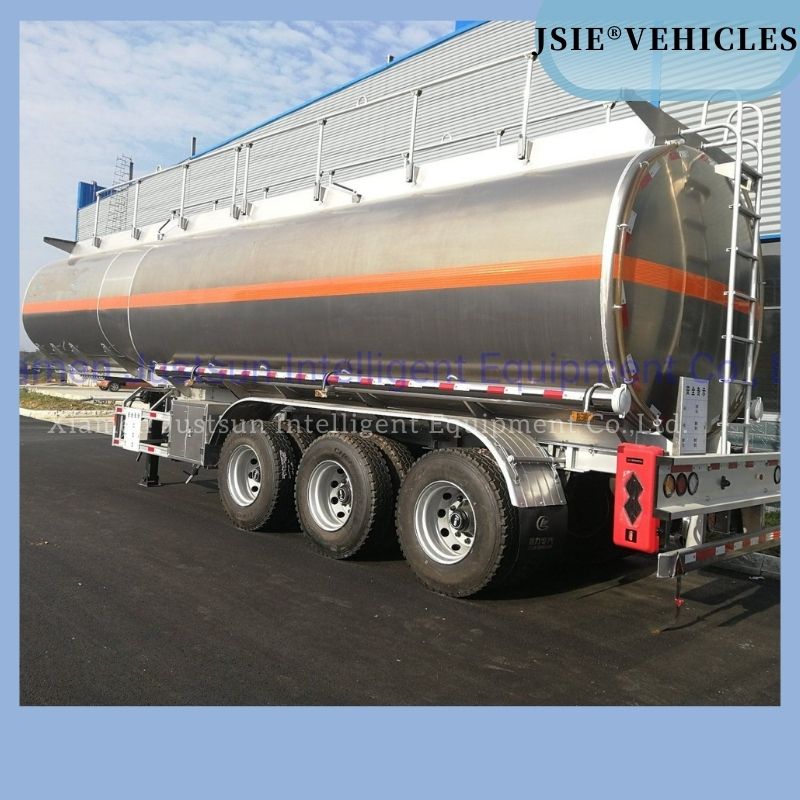
Selecting the correct category dictates your operational efficiency. We break down the top four options used across the industry today.
Best use case: Operators use these primarily for powdered lime, quicklime, hydrated lime, and industrial silo delivery.
Pros: They feature an entirely enclosed system. This prevents moisture intrusion completely. It stops toxic dust clouds from forming. The system uses positive air pressure to fluidize the fine powder. This ensures a complete and clean discharge. You leave zero product behind.
Cons: They require a much higher upfront capital investment. They carry a heavier tare weight compared to open hoppers. You need a tractor equipped with a heavy-duty PTO blower system. Maintenance on blowers requires specialized mechanical knowledge.
Best use case: These excel at hauling agricultural lime. They handle field deliveries and uneven farm terrain perfectly.
Pros: They eliminate tip-over risks on soft farm ground completely. The conveyor belt forcefully pushes damp ag lime out the rear tailgate. This completely bypasses the packing issue. A specialized live bottom semi-trailer keeps your center of gravity low during the entire discharge cycle. You never have to elevate the tub.
Cons: They possess high mechanical complexity. Moving parts require rigorous daily maintenance. You face potential payload reductions due to the heavy belt mechanism underneath the tub. Replacing a torn belt costs thousands of dollars.
Best use case: They suit aggregate lime perfectly. They dominate short-haul high-volume routes involving crushed limestone.
Pros: They remain highly versatile across multiple industries. They boast extremely fast unloading cycle times. They demand much lower maintenance than live bottoms. They handle large rocks easily without jamming.
Cons: They present an extreme tip-over risk. Sticky lime creates uneven weight distribution during elevation. You must install heavy-duty tarps to prevent dust loss on the highway. We strongly recommend draft-arm or frameless designs depending on your site stability.
Best use case: They only work for dry, granular lime in highly controlled environments.
Cautionary note: We advise extreme skepticism here. Standard hoppers struggle heavily with lime bridging. They are often cheap and readily available. However, they create severe bottlenecks at the drop site. If utilizing these semi trailers, you must upgrade them extensively. They require steep 45-degree slope angles. They absolutely need powerful pneumatic vibrators bolted to the hopper sides.
You must match equipment specifications to real-world operational demands. We outline the core decision pillars below to guide your purchasing strategy.
Match your equipment to the exact destination. Silos require pneumatics for precise injection. Muddy farm fields demand live bottoms for horizontal stability. Paved industrial yards easily accommodate end dumps. Uneven ground ruins raised dump operations quickly. Assess the drop zone topography before buying anything.
Evaluate this critical trade-off carefully. Aluminum maximizes your legal payload capacity. It resists lime corrosion far better than standard steel. However, steel provides superior structural durability. It handles abrasive, crushed aggregate lime without denting. Steel flexes better under severe off-road stress. Aluminum cracks under repetitive off-road twisting.
Trailer Configuration Comparison Chart
Trailer Type | Ideal Environment | Material Handled | Dust Control Rating |
|---|---|---|---|
Pneumatic Tanker | Industrial Silos | Powdered, Quicklime | Excellent |
Live Bottom | Agricultural Fields | Damp Ag Lime | Moderate |
End Dump | Paved Aggregate Yards | Crushed Limestone | Poor to Moderate |
Hopper Bottom | Controlled Pits | Dry Granular Lime | Moderate |
Assess your sealing requirements closely. You need watertight hatch covers for powder. Look for high-quality roll tarps for dumps. Sealed tailgates prevent product loss entirely on rough roads. They also block water intrusion from heavy rain. Wet lime destroys equipment rapidly.
Ensure all hatch gaskets consist of chemical-resistant rubber.
Install automated tarp systems to keep drivers safely on the ground.
Inspect tailgate locks weekly to prevent highway spills.
Consider multi-axle setups carefully. Tridems, quads, or lift axles maximize legal payload. They help you navigate varying state regulations safely. Overloading risks severe DOT penalties. Spread axles distribute weight efficiently across old bridges. Lift axles save tire wear when running empty.
Deploying new equipment introduces new daily challenges. Operators must recognize hidden dangers to maintain high safety standards.
End dumps face serious physics challenges. If damp lime freezes, it sticks to the upper tub. The center of gravity shifts drastically when raised. This causes catastrophic rolls. The frame twists, destroying the entire asset in seconds.
Here are essential best practices for dump operators:
Ensure the trailer sits on perfectly level, compacted ground before engaging the PTO.
Check for material adhesion inside the tub regularly using a mirror or camera.
Never move the truck forward while the tub remains fully elevated.
Monitor wind speeds constantly, as sudden gusts easily push raised tubs over.
Cleaning out pneumatics takes intense manual labor. Cross-utilizing equipment for fertilizer or grain demands perfect sanitation. Contamination ruins entire subsequent loads. Wet washing pneumatics requires extensive drying time. Residual moisture turns the next lime load into hard cement inside the tank.
Tractors must match the trailer specifications perfectly. Hydraulic flow rates must align for live bottoms. Low flow causes belt stalling mid-unload. High flow overheats hydraulic oil dangerously. CFM output must meet pneumatic blower demands exactly. Incorrect air pressure damages storage silos quickly or leaves material trapped in the hoses.
Make your final selection based on your primary daily use cases. Avoid buying a one-size-fits-all solution.
Prioritize live bottom trailers immediately. They handle wet material flawlessly. Heavy-duty dump trailers work if they feature high-quality liners. Stability remains the top priority on soft farms.
Exclusively evaluate pneumatic dry bulk models. Safety and compliance demand this enclosed system. Quicklime reacts violently to ambient moisture. You cannot risk exposure during transit or offloading.
If you haul sand, gravel, and lime interchangeably, choose end dumps. A lined, frameless end dump offers incredible flexibility. It maximizes your return on investment through diverse job acquisition.
Define your exact lime specifications now. Note the precise particle size. Document the average moisture content. Consult specialized manufacturers directly. Review axle weight laws in your operating states. Request detailed engineering quotes based on these exact metrics to avoid under-specifying your purchase.
The exact type of lime hauled defines your ideal equipment choice entirely.
Your specific discharge location dictates the necessary unloading mechanism to ensure safety.
Over-specifying wastes capital heavily for simple, short-haul ag lime jobs.
Under-specifying creates severe operational bottlenecks and massive workplace safety hazards.
Audit your current hauling routes and safety incident logs today before purchasing new assets.
A: Generally no, unless the lime is exceptionally dry and granular. Damp ag lime will bridge over the traps. This requires dangerous manual intervention to clear. We strongly advise against using unmodified grain hoppers for this specific application.
A: UHMW (Ultra-High Molecular Weight) plastic liners are highly recommended. They lower the friction coefficient significantly. This prevents sticky lime from adhering to the tub. A good liner reduces tip-over risks and speeds up your unloading cycle dramatically.
A: Aluminum is preferred for long-term corrosion resistance. It also provides a higher legal payload capacity. However, high-tensile steel becomes necessary if you haul heavy, sharp, crushed limestone rock. Abrasive rocks destroy aluminum tubs very quickly.
A: It uses an engine-driven blower on the tractor. The system injects high-volume, low-pressure air into the tank. This fluidizes the lime powder. It then pushes the aerated material smoothly through heavy-duty hoses directly into a designated storage silo.