Telephone/WhatsApp: +86-13950097655 E-mail: eric@justsuntrucks.com
Please Choose Your Language

- All
- Product Name
- Product Keyword
- Product Model
- Product Summary
- Product Description
- Multi Field Search
Views: 0 Author: Site Editor Publish Time: 2026-08-04 Origin: Site
People often point to the heavy steel structure hanging off the back of a rig and wonder what it is. Officially, the bumper on a semi trailer is called a rear underride guard, though many still refer to it as a Mansfield bar. These bars are not merely extra pieces of metal welded for decoration. They are highly regulated, critical safety components. Engineers design them specifically to stop passenger vehicles from sliding underneath heavy commercial chassis during violent rear-end collisions.
Fleet managers, owner-operators, and safety officers constantly evaluate these structures. You must ensure these guards meet strict compliance standards to mitigate legal liability. Proper maintenance also helps you pass rigorous Department of Transportation (DOT) audits without costly delays. We will explore the historical context of these impact guards. You will also learn how they evolved into today's advanced energy-absorbing systems. Finally, you will discover how to evaluate compliant guards when purchasing new equipment, audit existing legacy assets, and establish proactive daily maintenance routines.
The bumper on a semi-trailer is officially known as a Rear Impact Guard (RIG) or rear underride guard, though widely referred to as a Mansfield bar.
Modern procurement requires verifying that any new semi trailer meets updated National Highway Traffic Safety Administration (NHTSA) standards (FMVSS 223 and 224).
Proactive maintenance and specification of high-durability guards significantly reduce fleet liability in rear-impact collision claims.
Retrofitting older semi trailers with upgraded guards is often a cost-effective alternative to full asset replacement.
The colloquial name traces back to a tragic event in 1967. Hollywood actress Jayne Mansfield died when her passenger car crashed directly into the back of a tractor-trailer. Because the trailer lacked a lower barrier, her vehicle slid straight beneath the trailer chassis. This high-profile accident catalyzed an immediate, industry-wide push for rear impact regulations. Public outcry forced regulators to recognize the fatal flaw in commercial truck design. It became obvious changes were necessary to save lives.
Over time, terminology shifted to reflect modern engineering standards. You rarely see official regulatory documents use the term "Mansfield bar" today. Instead, engineers and regulators call them a Rear Impact Guard (RIG) or an underride guard. These specific terms accurately describe the core function of the equipment. They move the conversation away from historical tragedy toward active crash survival engineering. The modern terminology reflects decades of structural testing.
A modern guard does much more than just hang off the chassis. It actively manages kinetic energy during a high-speed rear-end collision. When a passenger vehicle strikes the back of a semi-trailer, the guard resists the car's forward motion. It forces the smaller vehicle's built-in crumple zones to do their job. By taking the brunt of the kinetic transfer, this mechanism prevents the car's roof from shearing off. It stops the car from sliding underneath, effectively protecting the occupants inside the cabin.
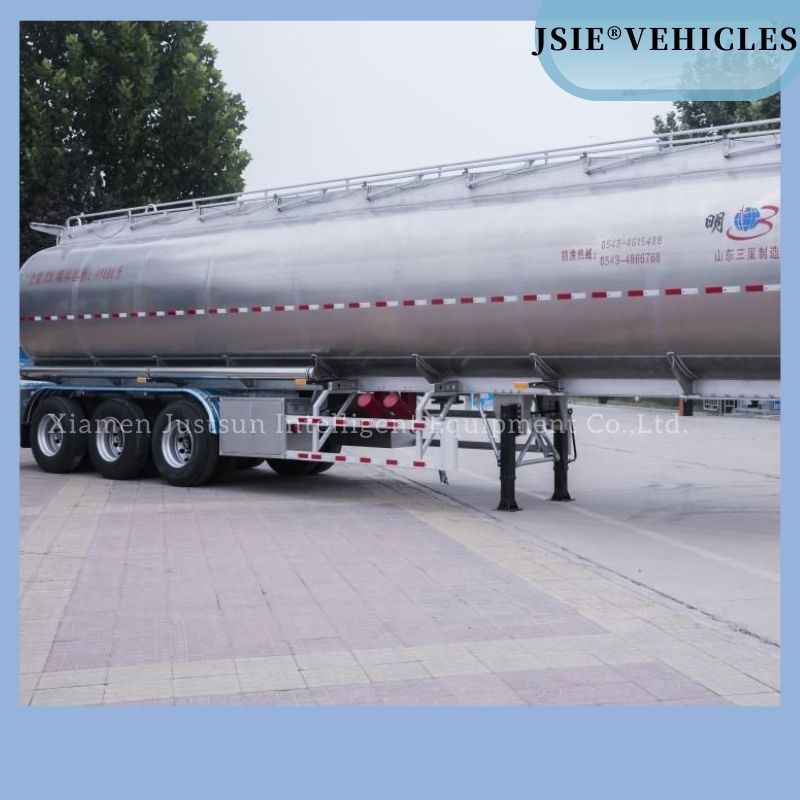
Federal Motor Vehicle Safety Standards (FMVSS) dictate exactly how fleets must equip their commercial vehicles. The National Highway Traffic Safety Administration (NHTSA) strictly enforces two primary rules regarding these barriers. FMVSS No. 223 covers equipment performance, ensuring the guard absorbs enough force without snapping. It mandates rigorous testing procedures for the steel and aluminum components. Meanwhile, FMVSS No. 224 governs vehicle installation. This rule dictates proper dimensions, specific ground clearance, and secure mounting locations on the frame.
Regulators constantly update these rules to improve highway safety metrics. Recent DOT pushes require significantly strengthened guards. They must withstand violent impacts at much higher highway speeds. Regulators also test them for overlapping collision angles. Cars do not always hit the center of the trailer perfectly. Drivers often swerve at the last second. Off-center strikes pose unique shear dangers, so modern guards must handle asymmetric rotational forces safely. These new standards push manufacturers to continuously innovate their chassis designs.
Failing to maintain these standards creates massive operational risks for your business. Inspectors actively look for compromised rear guards during DOT roadside audits. A bent, rusted, or loose guard will quickly earn an out-of-service violation. This immediately delays your freight. It damages your carrier safety rating and triggers steeper insurance premiums. Furthermore, poor compliance reflects badly on your overall fleet maintenance program. Compliance is not optional; it dictates your ability to keep trucks legally moving on the road.
Specifying the right underride guard is a crucial step when purchasing a new rig. You must balance extreme physical durability, payload capacity limits, and overall fuel efficiency. Making the right choice impacts your operations for years.
Here is a detailed breakdown of your material trade-offs:
Galvanized Steel: Offers high durability and excellent long-term corrosion resistance. It stands up incredibly well to daily dock bumps. However, it is quite heavy and slightly reduces your maximum freight payload.
High-Strength Aluminum: Provides a significant weight reduction to help optimize your payload. It resists general weather degradation nicely. It does carry a higher upfront cost and requires specialized welding repair protocols if damaged.
You must also carefully assess the energy absorption mechanics. Some manufacturers rely on highly rigid setups. These act like a solid brick wall during a crash event. Others engineer advanced energy-absorbing designs. These models purposefully yield and bend slightly upon impact. Yielding significantly reduces the brutal shockwave transferred to the striking vehicle. It also protects the trailer chassis from permanent frame warping, saving you expensive structural repairs down the line.
Aerodynamic integration serves as another critical evaluation point for modern fleets. Advanced underride guards often pair seamlessly with aerodynamic tails and lower trailer skirts. You want setups that improve airflow and boost your highway fuel efficiency. They must achieve this drag reduction without compromising structural integrity or blocking required DOT reflective tape. Proper integration keeps you compliant while saving fuel.
Material Type | Durability & Strength | Weight Impact | Cost & Maintenance |
|---|---|---|---|
Galvanized Steel | Exceptional against dock impacts and road rust. | Heavier; marginally lowers maximum payload. | Lower upfront cost; easy for shops to weld. |
High-Strength Aluminum | Strong but yields differently under heavy shear force. | Lighter; maximizes available freight payload. | Higher cost; complex repair needs after crashes. |
Safety relies heavily on daily vigilance from your operators. Drivers must prioritize the rear impact guard during every single pre-trip inspection. You should train your team to check specific structural vulnerability points. Do not let them just glance at the bumper and walk away. A thorough visual inspection takes mere seconds but prevents massive liabilities.
Instruct drivers to perform these specific physical checks daily:
Examine all welds and mounting joints for visible stress cracks or deep rust penetration.
Check the vertical structural supports for any slight bends or unnatural hanging angles.
Verify all red and white reflective DOT tape remains fully intact, clean, and highly visible.
Deferred maintenance carries severe structural consequences. A seemingly minor bend in a guard might look harmless to an untrained eye. However, it can structurally compromise the entire unit. A damaged support bracket loses its mathematically designed geometry. Because of this, it might fail catastrophically during an actual rear-end impact, allowing a car to slide underneath. Replacing a slightly bent bar is always cheaper than dealing with a catastrophic failure.
Liability exposure is a harsh reality for commercial fleets operating today. Rear-end collisions happen constantly in heavy traffic. The commercial driver is rarely at fault when struck from behind. However, a compromised guard can still trigger massive negligence claims. Plaintiff attorneys will quickly identify a non-compliant or damaged guard on any semi trailers in your fleet. They will request all maintenance logs during legal discovery. They will forcefully argue your negligence caused the severe injuries. This legal maneuver shifts the crushing financial burden directly onto your company, regardless of who caused the initial crash.
Managing an older fleet requires strategic decisions regarding safety upgrades. You must first audit your existing legacy assets. Many fleets still operate older models equipped with pre-1998 or pre-2006 standard guards. These older designs often met the regulations of their specific era. However, they may not meet modern impact survival expectations. You need to know exactly what safety equipment currently sits in your yard.
Retrofitting these older units is often a highly practical move. You can source numerous OEM and aftermarket retrofit kits specifically designed for legacy trailers. Evaluate the market availability and exact cost of these kits for your specific trailer brands. You must also accurately calculate the implementation timeline. Installing them in-house requires available technician hours and bay space. Outsourcing the installation increases your labor costs but drastically speeds up deployment across the fleet. You must balance time against internal resource availability.
Eventually, you hit a strict replacement trigger. Sometimes a rear frame sustains heavy damage from a nasty dock collision. Repairing or retrofitting that specific guard might cost more than the asset's remaining lifecycle value. For example, spending thousands on a new custom guard for a 15-year-old trailer makes little sense. When repair costs eclipse future utility, it signals a clear need for new asset procurement. You simply retire the older unit rather than pouring capital into a rapidly depreciating asset. Making this call correctly protects your bottom line and your safety record simultaneously.
Understanding the name of the rear bumper is just your baseline. Managing its active compliance remains an absolute operational necessity for any successful carrier. To protect your business and the motoring public, take these actionable next steps immediately. First, conduct a fleet-wide compliance audit targeting all rear underride guards to identify immediate risks. Second, update your minimum safety specifications before entering the next asset procurement cycle. Finally, integrate specific impact guard stress checks into your standard driver training programs. Taking proactive control of your fleet's safety equipment ensures you stay compliant, secure, and ready for the road ahead.
A: It is named after Hollywood actress Jayne Mansfield. In 1967, she tragically died when her passenger car crashed into the back of a tractor-trailer. Her vehicle slid underneath the chassis, killing the adult occupants. This devastating accident sparked massive public outcry. It led the National Highway Traffic Safety Administration (NHTSA) to mandate rear impact guards to prevent similar underride fatalities.
A: Current DOT regulations dictate strict dimensional requirements for rear impact guards. The bottom edge of the guard must typically sit no more than 22 inches from the ground when the vehicle is unloaded. It also must be located within 12 inches of the extreme rear of the vehicle. However, regulatory standards constantly evolve, so always verify the latest FMVSS 224 specifications.
A: No, regulators grant specific exemptions based on vehicle design and function. Specialized low-chassis models do not need them because their structure inherently prevents underride. Wheels-back trailers, where the rear axle sits at the extreme back, are also exempt. Additionally, certain agricultural equipment and specialized heavy-haul units bypass these mandates due to their unique operational requirements.
A: Minor bends in the horizontal bar can sometimes undergo professional repair. However, structural compromises to the welds, vertical supports, or attachment plates generally require a full replacement. Attempting to straighten a heavily bent vertical support weakens the steel. This leaves the guard unable to absorb kinetic energy during a crash. Always replace structurally compromised guards to maintain full legal compliance.