Telephone/WhatsApp: +86-13950097655 E-mail: eric@justsuntrucks.com
Please Choose Your Language

- All
- Product Name
- Product Keyword
- Product Model
- Product Summary
- Product Description
- Multi Field Search
Views: 0 Author: Site Editor Publish Time: 2026-08-16 Origin: Site
Owner-operators and fleet managers constantly face a difficult balancing act. Stretching the lifespan of your heavy equipment saves upfront capital. However, holding it too long bleeds profit through unexpected downtime and mounting maintenance bills.
Chronological age provides a simple baseline for equipment replacement. Yet, the actual retirement trigger is a complex math problem based on operating expenses, application type, and compliance standards. Making the wrong call turns a reliable asset into a massive financial burden. You cannot rely on guesswork.
We will break down how to evaluate your aging fleet objectively. You will learn the hidden costs of holding onto obsolete equipment and the financial thresholds signaling an immediate upgrade. This framework helps you calculate exactly when your aging asset shifts from a revenue generator to a financial liability.
The industry standard lifespan for a dry van semi-trailer is 10 to 15 years, but vocational trailers (reefers, flatbeds) often age out sooner due to structural fatigue and component wear.
Retirement should be triggered when annual maintenance and downtime costs exceed the annualized cost of a replacement asset.
For owner-operators approaching personal retirement, strategically liquidating an aging semi trailer fleet is a critical step in preserving business equity.
DOT compliance risks and failing structural integrity (rust, suspension wear) are hard-stop indicators for immediate asset replacement.
Fleet operators need realistic expectations for equipment longevity. Different operations place vastly different stresses on chassis and components. Dry vans typically offer the longest service life. They shield cargo from the elements and rarely carry highly corrosive materials. Refrigerated units, or reefers, degrade much faster. Their insulation breaks down over time. Flatbeds face constant exposure to weather, road salt, and concentrated heavy loads. These factors significantly accelerate structural fatigue.
Equipment Type | Average Chronological Lifespan | Primary Degradation Factors |
|---|---|---|
Dry Van | 10 – 15 Years | Floor wear, door seal failure, roof leaks |
Refrigerated (Reefer) | 7 – 10 Years | TRU engine hours, insulation moisture intrusion |
Flatbed / Step-Deck | 10 – 12 Years (Varies) | Frame rust, camber loss, suspension stress |
Age alone rarely tells the whole story. A seven-year-old unit running continuous cross-country routes accumulates massive mileage. It likely requires replacement much sooner than a twelve-year-old unit handling local drop-and-hook deliveries. High mileage directly correlates to suspension wear, brake degradation, and axle stress. Operators must weigh utilization rates heavier than the manufacturing date. Consistent highway speeds generate constant vibration. This vibration loosens rivets and fatigues metal over millions of tire rotations. You must evaluate the physical wear objectively.
Personal timelines heavily influence equipment retirement strategies. Consider an owner-operator planning to leave the industry in three years. Spending thousands on a comprehensive rebuild makes little sense. Instead, they should sell the asset before depreciation bottoms out entirely. Conversely, a growing fleet must maintain reliable equipment to secure premium freight contracts. You must align your equipment cycles with your broader business trajectory. Hanging onto older semi trailers solely to avoid a new loan often backfires. It traps equity in depreciating steel.
Some maintenance issues cross the line from routine to critical. Structural failures dictate an immediate halt to operations. You cannot safely patch a compromised main frame. Corroded floor cross-members threaten cargo stability. A forklift can easily punch through a weakened deck during loading. Furthermore, severely rusted slider rails prevent safe tandem axle adjustments. Once structural integrity vanishes, the asset becomes a massive liability. Continuing to operate failing equipment invites catastrophic accidents.
Mechanical breakdowns drain cash reserves rapidly. The repair invoice represents only a fraction of the actual financial damage. You must calculate the gross revenue lost every single day the unit sits in a repair bay. If you generate $1,000 daily, a three-day suspension rebuild costs you $3,000 in missed income. Often, missing a dedicated load damages critical broker relationships. Shippers demand reliability. You lose future negotiating power when your equipment fails to deliver on time. This hidden penalty makes older equipment extremely expensive to operate.
Aging fleets attract unwanted attention from the Department of Transportation (DOT). Inspectors spot faded paint, rust streaks, and older lighting systems quickly. This visual aging triggers more frequent roadside inspections. Older components naturally fail DOT standards more often. A few out-of-service (OOS) violations ruin your carrier CSA score. High CSA scores directly increase your commercial insurance premiums.
Common compliance red flags include:
Air leakages in aging pneumatic systems.
Cracked or worn suspension bushings.
Inconsistent brake pushrod travel on older slack adjusters.
Failing ABS warning lights and sensors.
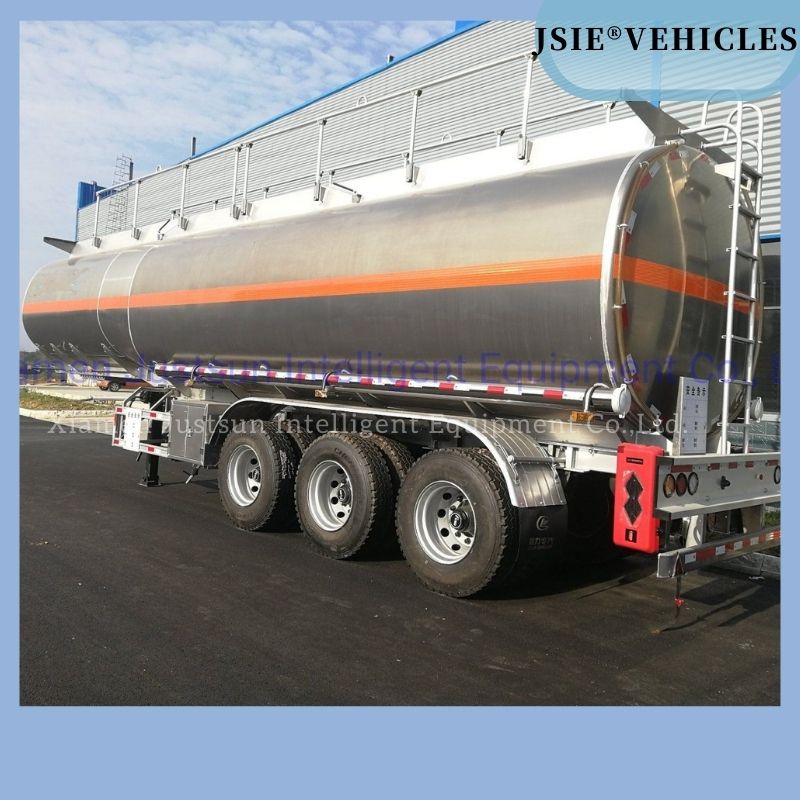
Industry professionals rely on a proven standard called the 50% rule. You must evaluate the cost of an upcoming major repair against the fair market value of the equipment. Suppose your aging semi trailer requires a $6,000 suspension rebuild. If the unit is only worth $10,000 on the open market, the repair exceeds 50% of its value. At this threshold, you should retire the asset. Pumping money into obsolete equipment rarely yields a positive return. The market simply will not pay you back for those repairs during a future sale.
Newer equipment generates savings through improved operational efficiency. Manufacturers continually refine designs to reduce drag and weight. Modern aerodynamic skirts and tail fairings cut fuel consumption significantly. Advanced tire inflation systems eliminate the drag caused by underinflated duals. Furthermore, modern telematics provide real-time location data. This technology helps dispatchers optimize routing and gives shippers peace of mind. Older units lack these passive savings mechanisms. You burn more diesel pulling an outdated, boxy unit.
Smart operators leverage the tax code to upgrade their fleets profitably. Section 179 depreciation deductions allow businesses to write off the purchase price of new equipment. This tax advantage drastically lowers the effective cost of a new asset. Maintaining obsolete equipment offers no such benefit. You simply absorb sunk costs into your operating margin. Furthermore, financing newer equipment usually secures lower interest rates. Lenders view new assets as safer collateral. This financial leverage makes upgrading much more appealing than endless repair cycles.
You must understand current market dynamics before selling your equipment. Supply chain fluctuations directly impact residual values. When new equipment backlogs grow, used prices skyrocket. Conversely, an oversupplied freight market depresses used equipment values. You should appraise your asset objectively. Check commercial equipment boards to gauge current asking prices. Note the differences based on region, specification, and overall condition. An accurate appraisal sets the foundation for a profitable exit.
You have three primary avenues for asset disposition. Each path carries specific risks and rewards.
Trade-in: This route offers the lowest friction. You hand over the old unit when picking up the new one. However, dealers must protect their margins. Expect a lower payout compared to the open market.
Private Sale: This method yields the maximum return on investment. It requires more effort to list, show, and negotiate. If your unit remains road-worthy, a private sale puts the most cash in your pocket.
Scrapping/Salvage: This is the necessary route for units suffering from severe structural failure. You sell the unit for its raw material value or part it out. It recovers at least a fraction of your initial investment.
Asset disposition plays a critical role in your ultimate retirement plan. An unmaintained fleet severely devalues a potential business buyout. Buyers want turn-key operations. They will drastically discount their offer if they inherit a yard full of rusted equipment. You must systematically replace or liquidate older units years before you retire. Upgrading to newer units, or liquidating down to a smaller, cleaner fleet, preserves your business equity. It turns your hard work into tangible retirement capital.
You need hard data to make informed upgrade decisions. Start by conducting a comprehensive fleet audit. Pull your maintenance records for the past twelve months. Log the total repair expenses for each unit. Next, calculate the exact number of days each unit spent out of service. Finally, review any DOT warnings or inspection failures tied to specific equipment. This audit quickly highlights your worst performers. You will easily spot the units draining your profitability.
Use the failures of your retiring asset to build a better replacement. If your old unit suffered severe floor rot, spec your next one with a heavier-duty composite deck. If frame rust ended its life prematurely, invest in galvanized steel components. We highly recommend matching your new specifications directly to your operational environment.
Past Failure Point | Recommended Upgrade Specification | Operational Benefit |
|---|---|---|
Severe Frame Rust | Fully Galvanized Steel Frame | Resists road salt and chemical corrosion |
Punctured / Sagging Floor | 20k-24k lb. Floor Rating with Extra Crossmembers | Handles heavy forklift traffic safely |
Frequent Blowouts | Automatic Tire Inflation System (ATIS) | Maintains optimal pressure, reduces tread wear |
Door Seal Leaks | Composite Roll-Up or Premium Swing Doors | Protects cargo from moisture intrusion |
Careful spec'ing ensures your new semi-trailer withstands the exact pressures that destroyed your previous one.
Stop guessing about the value of your aging fleet. Request a professional appraisal of your oldest equipment today. A firm valuation gives you the factual baseline needed to run your repair-or-replace calculation. Once you know the market value, apply the 50% rule to your next repair estimate. Take control of your equipment lifecycle before a breakdown forces your hand.
Retiring heavy equipment is a strictly objective financial decision. Emotion and habit have no place in fleet management. Waiting until a catastrophic failure occurs destroys your trade-in value and severely disrupts your daily cash flow. You must recognize when repair bills and lost revenue outpace the cost of new financing.
Take proactive control of your fleet today. Gather your maintenance logs, evaluate your downtime, and run a comprehensive cost-benefit analysis on your oldest asset. Smart operators upgrade their equipment to protect their margins, ensure driver safety, and maximize their ultimate business equity.
A: A standard dry van typically lasts between 500,000 to 750,000 miles. However, consistent preventative maintenance matters far more than raw mileage. Units operating on smooth highways outlast those running on rough regional roads. Routine suspension alignments and timely brake services easily push a well-kept unit past the million-mile mark.
A: Yes, rebuilds are possible. Replacing a floor or upgrading the suspension makes sense if the main frame remains solid. However, if the unit suffers from severe cross-member corrosion or frame bowing, a rebuild becomes a sunk cost. Always apply the 50% rule before attempting a major overhaul.
A: Yes. Reefers suffer from a dual-aging process. The diesel refrigeration unit clocks engine hours and eventually requires a costly replacement. Additionally, the box insulation degrades and absorbs moisture over time. This makes the unit heavier and less thermally efficient, forcing early retirement compared to standard dry vans.
A: Aging, poorly maintained equipment holds very little equity. If you plan to sell your business, a modern, compliant fleet commands a much higher buyout price. Strategically liquidating hard assets or upgrading them to generate passive rental income is crucial before stepping out of the cab.