Telephone/WhatsApp: +86-13950097655 E-mail: eric@justsuntrucks.com
Please Choose Your Language

- All
- Product Name
- Product Keyword
- Product Model
- Product Summary
- Product Description
- Multi Field Search
Views: 0 Author: Site Editor Publish Time: 2026-06-29 Origin: Site
Selecting the right transport equipment represents a high-stakes operational decision for fleet operators. Mismatched gear severely limits payload capacity and invites heavy regulatory fines. Poor choices drag down daily efficiency over time. A commercial semi trailer lacks a front axle. It relies entirely on a road tractor for support via a fifth-wheel coupling. Many fleet managers struggle to match these baseline specifications to their actual daily demands. You need a reliable method to evaluate payload constraints and strict regulatory rules. This guide moves past basic definitions. We provide a strategic framework to help you choose the best trailer for your business operations. You will learn about core trailer anatomy and major equipment configurations. We also cover smart procurement strategies to maximize your long-term fleet viability. By the end, you will know exactly how to align equipment capabilities with your freight requirements.
Every trailer relies on a robust structural foundation. The frame handles the primary load stress during transit. Manufacturers build these frames using high-tensile steel or lightweight aluminum. Steel offers unmatched durability for rugged operations. Aluminum reduces tare weight to maximize your legal payload.
The kingpin serves as the crucial pivot point. It locks securely into the tractor's fifth wheel. Industry standards require strict metallurgical testing for this component. A failing kingpin causes catastrophic decoupling incidents. Landing gear provides essential support when you detach the unit from the cab. Modern landing gear features two-speed gearboxes. This allows drivers to crank the legs down quickly. They can then switch gears to lift heavy loads safely. Federal regulations also require robust rear impact guards. These bumpers prevent passenger vehicles from underriding the trailer during rear-end collisions.
Axle configurations dictate weight distribution and legal payload limits. Tandem setups offer standard balance for most general freight. Tridem configurations add a third axle. This setup supports much heavier localized hauls. Spread-axle layouts distribute weight across a wider deck area. This configuration helps you meet strict bridge law requirements. Drivers often prefer spread axles for their stable highway tracking.
Braking and suspension systems protect your valuable cargo. Older models often relied on rigid spring suspensions. Today, fleets heavily favor advanced air-ride systems. Air suspensions absorb road shock effectively. They reduce equipment vibration and keep fragile goods completely safe. Commercial trailers also utilize pneumatic braking networks. Federal safety guidelines mandate anti-lock braking systems. Many new units now feature disc brakes instead of traditional drums. Disc brakes provide shorter stopping distances and resist heat fade during steep mountain descents.
Different freight demands specific equipment configurations. We will explore the primary options available today to help you match assets to your cargo.
These enclosed boxes dominate highway transport globally. They work best for palletized, weather-sensitive standard freight. Shippers use them constantly for electronics, clothing, and packaged foods. However, dry vans have clear operational limitations. You can only load them from the rear doors. This makes dock scheduling highly critical. Standardized dimensions strictly restrict your maximum cargo height and width. Operators often install interior logistical tracks. These E-track systems help secure pallets and prevent dangerous load shifting during transit.
A flatbed semi trailer excels at hauling oversized cargo. It handles irregularly shaped construction materials effortlessly. Flatbeds allow side, top, or crane loading. Sub-variants include step decks and lowboys. Step decks accommodate taller freight without exceeding legal bridge heights. Lowboys handle extreme payload weights like heavy excavators. Operators face strict cargo securement regulations. Drivers must use heavy straps, chains, or tarps. Cargo remains fully exposed to harsh weather conditions during transit.
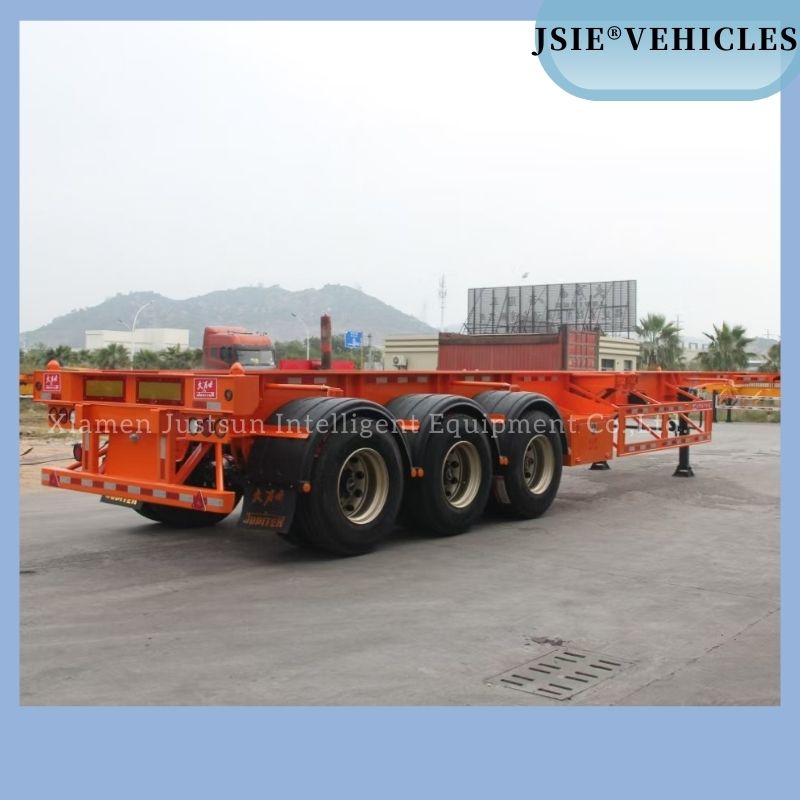
Intermodal logistics rely heavily on specialized chassis units. A skeleton semi trailer securely transports ISO shipping containers. It moves freight seamlessly between sea ports and regional rail yards. The stripped-down frame optimizes your overall tare weight. It focuses purely on durable twist-lock mounting points. Extendable chassis models can adjust their length dynamically. This allows one unit to haul different container sizes safely.
Reefers transport perishables, pharmaceuticals, and sensitive chemicals. Active cooling units maintain precise internal climates throughout the journey. Premium models feature multi-temperature zones. This allows fleets to haul frozen and chilled goods simultaneously. These active systems add significant tare weight. Heavy insulation reduces the available interior loading volume. They also require rigorous mechanical upkeep. Neglected cooling units lead directly to massive cargo spoilage claims.
The following chart outlines the primary applications and constraints for each major trailer category.
| Equipment Category | Primary Application | Loading Access | Key Operational Limitation |
|---|---|---|---|
| Dry Van | Palletized, enclosed goods | Rear doors only | Strict dimension limits |
| Flatbed | Oversized, construction materials | Side, top, crane | Full weather exposure |
| Skeleton Chassis | Intermodal shipping containers | Crane (top down) | Fixed attachment points |
| Refrigerated | Perishables, pharmaceuticals | Rear doors only | Heavy tare weight |
Choosing the right unit requires careful operational analysis. You must evaluate three core areas before acquiring new assets.
First, analyze your average load dimensions and weight. Freight usually falls into two distinct categories. It either weighs out or cubes out. Heavy steel coils weigh out long before filling the trailer volume. Lightweight paper products cube out before reaching maximum weight limits. Payload optimization prevents chronic equipment underutilization. Ensure your chosen trailer matches standard loading dock heights. Mismatched floor heights create massive bottlenecks at distribution centers. You must also account for forklift weight ratings on trailer floors. Heavy electric forklifts easily punch through thin composite flooring.
Second, consider your route environment carefully. Urban navigation demands shorter trailers. A 28-foot or 48-foot trailer navigates tight city corners easily. Roll-up doors make crowded street deliveries much faster. Long-haul highway routes require completely different specifications. Interstate fleets benefit from 53-foot maximum lengths. Aerodynamic side skirts reduce drag across long flat highway stretches. Mountainous terrain demands upgraded braking systems. You must match the hardware to the specific geographic challenges.
Third, you must navigate strict regulatory compliance. Transport rules change rapidly across jurisdictional borders. Federal bridge laws dictate permissible gross weights based on axle spacing. Individual axle restrictions vary significantly across different states or provinces. California enforces unique wheelbase length rules for trailer combinations. You must align your equipment dimensions with local legal limits. Failure to comply results in mandatory weigh station delays. Inspectors will issue severe operational penalties for mismatched equipment setups.
Strategic procurement goes beyond immediate cargo capacity. You must consider how the asset performs over its entire lifecycle. Evaluating long-term viability ensures fleet stability.
Different models offer varying baseline durability. Standard dry vans generally outlast high-wear open-deck models. A well-maintained dry van often serves a fleet for fifteen years. Flatbeds hauling corrosive chemicals or heavy machinery face faster structural fatigue. Environmental exposure degrades exposed frames quickly in winter climates. You must align expected equipment longevity with your operational upgrade cycles.
Complex equipment demands frequent servicing and dedicated downtime. Refrigeration engines and hydraulic liftgates possess hundreds of moving parts. Specialized air suspensions require regular pneumatic system checks. Heavy-duty tarp systems on flatbeds suffer from severe wind tearing. Replacing multiple tires simultaneously requires massive operational downtime. Routine alignment checks prevent premature tread wear. Proper inflation management extends casing life significantly. Fleets must balance complex capabilities against the required service hours.
Trailer design significantly alters overall fleet fuel consumption. Aerodynamic drag increases exponentially at highway speeds. Heavy tare weights force tractor engines to work harder on inclines. Implementing streamlined skirts helps mitigate wind resistance. Lightweight aluminum components reduce the base weight substantially. Low-rolling-resistance tires optimize forward momentum. These strategic choices improve performance metrics across millions of transit miles.
Certain trailer configurations maintain strong industry demand over time. Standardized dimensions appeal to a broad range of logistics providers. Basic 53-foot dry vans transition easily between different freight networks. Highly customized units face limited secondary interest. Specialized tank trailers only appeal to niche industrial carriers. Understanding these lifecycle trends helps you plan future fleet transitions. Proper planning ensures you can cycle old equipment out smoothly.
Fleets acquire equipment through three primary channels. Each strategy serves distinct operational goals and timelines.
The right transport equipment balances immediate cargo constraints with long-term operational viability. Selecting the optimal configuration prevents chronic payload inefficiencies. It ensures you maintain strict regulatory compliance across all jurisdictions. Mismatched equipment creates endless logistical headaches for your dispatchers and drivers.
Before you review manufacturer spec sheets, take definitive action. Audit your current freight contracts thoroughly. Map out your exact route requirements and dock limitations. Consult with your most experienced drivers regarding field challenges. These proactive steps guarantee you procure equipment that truly drives your business forward.
A: The standard federal gross vehicle weight limit is 80,000 pounds. You must calculate the combined weight of the road tractor, the trailer itself, and your cargo payload. Individual axle limits also apply. Tandem axles typically max out at 34,000 pounds. You must distribute the weight evenly to avoid severe legal penalties at weigh stations.
A: A standard unit typically lasts between 10 and 15 years. Longevity depends heavily on preventative maintenance, daily utilization rates, and environmental exposure. Enclosed dry vans running in mild climates last the longest. Open-deck models hauling corrosive materials or navigating harsh winter weather degrade much faster due to metal fatigue and severe rust.
A: It depends on the specific chassis design. Fixed-length models transport only one designated container size, such as a single 20-foot or 40-foot box. Extendable slider chassis feature an adjustable frame. Drivers can slide the axles and stretch the frame to accommodate multiple container dimensions legally and safely.
A: A standard flatbed features a uniform, level deck from front to back. A step deck, or drop deck, features a distinct height drop right behind the tractor clearance area. This lowered main deck accommodates significantly taller freight. It allows operators to haul oversized equipment without exceeding strict legal bridge height restrictions.