Telephone/WhatsApp: +86-13950097655 E-mail: eric@justsuntrucks.com
Please Choose Your Language

- All
- Product Name
- Product Keyword
- Product Model
- Product Summary
- Product Description
- Multi Field Search
Views: 0 Author: Site Editor Publish Time: 2026-07-01 Origin: Site
Importing a commercial vehicle from China offers significant cost advantages for fleet owners. These aggressive price points often drive major procurement decisions worldwide. However, the severe risks of non-compliance, poor weld quality, or hidden shipping fees can easily erase those initial financial gains. B2B buyers frequently face complex cross-border purchasing dilemmas. Successful procurement requires a major strategic shift. You must look beyond the initial unit price. We strongly advise evaluating the total landed cost alongside long-term operational reliability. Failing to conduct proper due diligence often results in delayed port shipments and grounded fleets. This article serves as a practical, skeptic-friendly due-diligence framework. We built this specific guide for B2B buyers and commercial fleet managers. You will discover how to properly vet overseas suppliers. Readers will learn how to mandate accurate specifications. We will also reveal how to calculate authentic logistical expenses before signing any international purchasing contracts.
Buyers often overpay for heavy equipment. They also receive inconsistent product quality over multiple orders. This happens when buyers unknowingly purchase through middlemen instead of direct factories. Trading companies add unnecessary markups. They rarely control the actual manufacturing timeline. Vetting your supplier thoroughly prevents these costly mistakes.
You must verify the legal status of your potential partner. Start by requesting their World Manufacturer Identifier (WMI). A valid WMI proves they physically assemble commercial vehicles. You should also demand specific export licenses for heavy-duty transport equipment. ISO 9001 certifications provide another crucial trust indicator. These documents confirm they employ standardized quality management systems. Cross-check these certificates through official third-party databases.
Never rely solely on polished marketing brochures. You need tangible proof of their manufacturing floor. Request live video tours during standard working hours. Focus your attention on their heavy machinery. Automated submerged arc welding lines guarantee consistent joint penetration. Modern shot-blasting facilities indicate proper steel preparation. Clean steel ensures optimal paint adhesion and prevents early rust. You can also hire local engineering firms to conduct independent factory audits.
Experienced factories understand global operational differences. Ask the supplier for verifiable references. They should provide records of previous exports to your specific region or country. Request sanitized bills of lading as proof of shipment. A proven track record indicates they understand your local road conditions and climate challenges. It also proves they know how to package units securely for long ocean transits.
The evaluation matrix below highlights the major operational differences between business models.
| Evaluation Criteria | Direct Manufacturer | Trading Company |
|---|---|---|
| Pricing Structure | Base factory pricing | Adds 10% to 25% markup |
| Quality Control | Direct oversight on the floor | Relies on third-party factories |
| Customization | Full engineering modification | Limited to available stock |
| WMI Registration | Possesses official WMI code | Uses partner factory WMI |
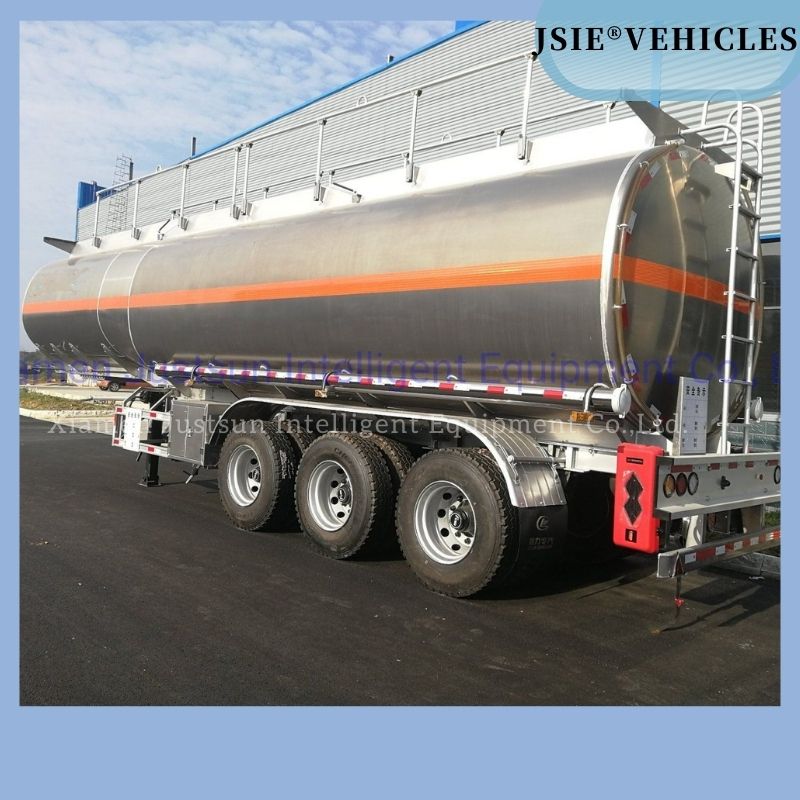
A standard export spec sheet may look impressive on paper. However, generic builds rarely survive heavy-duty local usage. Weak main beams lead to catastrophic structural failures. You must align the engineering blueprint directly to your daily application.
Metal fatigue destroys commercial vehicles quickly. Pay strict attention to the primary chassis materials. You should mandate high-strength steel grades like Q345 or T700 for the main beam. High-yield steel flexes under heavy payloads without permanent deformation. Detail why this matters for extreme weights. Specify the exact web and flange thickness in your contract. Thicker web plates prevent twisting during sharp turns on uneven mining terrain.
Every transport sector requires unique structural reinforcements. Standardizing these elements guarantees a longer asset lifespan.
Proprietary factory components create severe maintenance bottlenecks. Insist on globally recognized brands for all high-wear assemblies. Specify BPW or FUWA axles for heavy load stability. Mandate WABCO or Knorr-Bremse air braking systems. Using standardized international parts ensures your local mechanics can source replacement items instantly. This strategy keeps your commercial asset on the road generating revenue.
Customs agencies impound non-compliant imports instantly. A trailer failing local transport authority inspections becomes a total financial loss. You must engineer compliance directly into the initial blueprints.
Highway regulations vary drastically across different continents. Verify the overall length and width meticulously. Axle load distribution must adhere to strict local highway regulations. For example, North American operators must comply strictly with the Federal Bridge Formula. European haulers must follow EU dimensional directives. Ensure your supplier understands these precise constraints before welding begins.
Lighting and braking systems demand rigorous cross-border checks. Ensure the braking system configurations match your destination-country laws. Specify ABS or EBS modules explicitly. European imports usually require strict ADR compliance for dangerous goods. US markets demand DOT-approved reflectors and specific 7-way wiring harnesses. Outline these lighting arrangements clearly in the technical agreement.
Bureaucracy often delays port clearances for weeks. Require the supplier to provide all necessary homologation documents proactively. Do not authorize final payment until they produce these files.
B2B buyers routinely underestimate volatile freight expenses. Hidden import taxes and port handling fees destroy your intended ROI quickly. You must calculate the exact landed cost before paying any factory deposits.
Ocean freight methods dictate both your budget and cargo safety. Compare the distinct risks carefully. Ro-Ro (Roll-on/Roll-off) shipping provides the safest transit but costs significantly more. Bulk cargo vessels expose exposed steel to corrosive saltwater spray. Containerized shipping slashes freight costs dramatically. However, container loading often requires bolting the rear sections instead of welding them. You must evaluate these structural compromises against the freight savings.
The reference chart below outlines the primary freight variables you must consider.
| Transit Modality | Cost Profile | Primary Risk Factor |
|---|---|---|
| Ro-Ro (Roll-on/Roll-off) | Highest Premium | Limited port availability globally |
| Bulk Cargo Shipping | Moderate Rate | Saltwater corrosion on exposed decks |
| Containerized Freight | Most Economical | Requires bolted chassis assembly |
Shipping contracts dictate your legal liability during transit. We recommend buying FOB (Free on Board) or CIF (Cost, Insurance, and Freight). CIF packages include marine insurance for total loss scenarios. Warn your procurement team about deceptively low ocean rates. Many forwarders offer cheap sea freight but aggressively inflate hidden destination port charges.
Government import duties change without warning. Highlight the absolute necessity of consulting a licensed customs broker early. A broker will confirm exact HS codes for commercial transport equipment. They calculate accurate import duties and local value-added taxes. Ask them to assess potential anti-dumping tax risks specific to foreign steel imports.
Enforcing international warranties remains notoriously difficult for overseas buyers. Resolving structural defects after delivery consumes immense time and capital. You must implement aggressive quality control protocols before the cargo boards the vessel.
Never rely on factory-provided inspection photos. We strongly recommend hiring independent third-party agencies. Global firms like SGS or TÜV offer rigorous inspection services. Their engineers check critical weld integrity using non-destructive testing. They measure paint thickness using digital micron meters. They also perform operational stress tests on the landing gear before the semi trailer leaves the port.
Overseas warranties require careful legal interpretation. Clarify exactly what the factory covers in writing. Most international manufacturers only guarantee the main structural chassis against major faults. They explicitly exclude common wear-and-tear items. Suspensions, brake linings, and tires rarely carry long-term overseas protection. Understand these limitations to forecast your future maintenance budgets.
Distance creates severe aftermarket support challenges. Smart fleet managers request a comprehensive spare parts package during the initial negotiation. Instruct the factory to pack extra consumables inside the cargo area. Request extra brake pads, fuel filters, and electrical relays. Shipping these small items alongside the main unit costs almost nothing. However, having them on your shelf mitigates immediate downtime significantly.
Importing commercial transport equipment remains a highly profitable strategy. However, buyers only succeed when they approach the process with rigorous skepticism. You must rely on a strict technical checklist rather than blind trust. Shift your entire procurement focus. Stop prioritizing the cheapest initial pricing. Evaluate true landed cost and long-term compliance instead.
Next steps dictate your future operational success. Advise your procurement team to compile a highly detailed technical Request for Quotation (RFQ). Base your RFQ directly on the critical compliance criteria outlined above. Never ask suppliers for a generic product catalog. Outline your exact steel grades, component brands, and local highway regulations explicitly.
Maximize your fleet efficiency without compromising on safety. Encourage your buyers to contact our technical sales team today. We provide specialized consultations on road-legal, fully compliant vehicle builds. You can also download our comprehensive factory-audit checklist to master your next international procurement cycle seamlessly.
A: Typically 25-40 days for production, plus 30-45 days for ocean freight, depending on customization and destination port.
A: Yes, reputable factories can customize builds to meet regional compliance, but the buyer must explicitly mandate these standards in the contract before production.
A: Letter of Credit (L/C) for large fleet orders, or Telegraphic Transfer (T/T) with a 30% deposit and 70% balance strictly paid after a successful third-party pre-shipment inspection.